


Volume 65 December 2026-January 2026 : Art & Culture
Nervous Conditions
Author : TSISI DANGAREMBGA
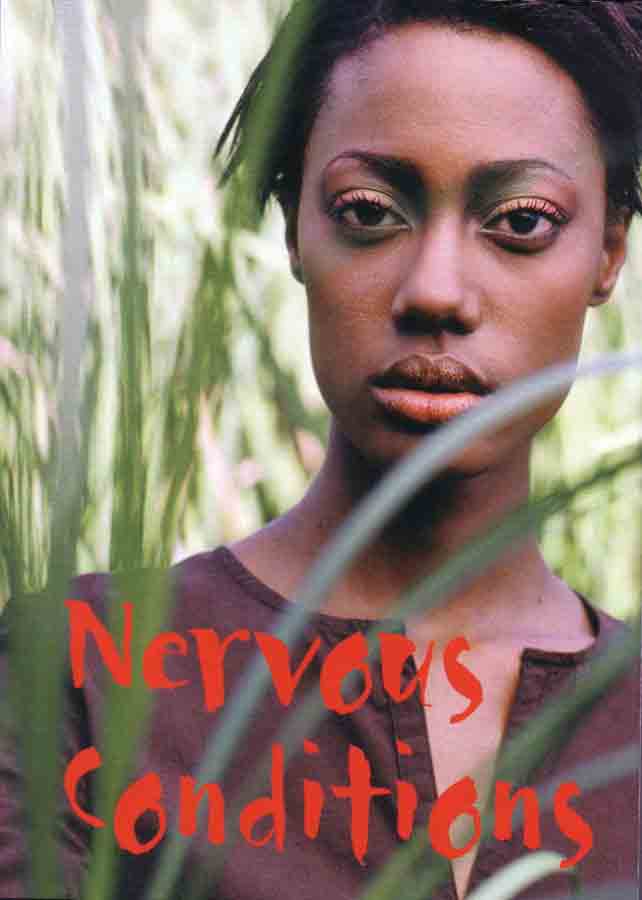
TITLE: NERVOUS CONDITIONS
PUBLISHER: Ayebia Clarke Publishing Ltd
REVIEWER: Segolame Seidisa
This is a narrative told by two naive, carefree and curious young women named Tabuzani and her cousin Nyasa in native Rhodesia in the 1960’s. The author purposely chose these characters to portray and emphasise the contrast between Africanism as well as adapting to modernityy besides tackling contradictions such as male chauvinism as well as exploring the femininity of their youth. The author dramatically uses first person narrative to have a two way conversation with the reader by using a rich language and descriptions besides imagery as well as comic relief.
It is easier for Tambu to tell this story because her upbringing is not ‘corrupted’ by Western notions hence it makes her to embrace her African roots and submit to authority of her parents without question. Although she accepts African culture the way it is, gradually when she grows up, she realises there is a different and more exciting world than the little world she knew. She begins to perceive duties that every African woman is subjected to such as the phrase “A woman’s place is in the kitchen” as a mere strategy and ploy to oppress women. Tambu is torn apart whether to accept traditional customs, values and norms to avoid breaking the cycle of culture and tradition.
Another aspect that intrigues her is the fascination with modernisation such as independence, selfworth, self discovery, fulfillment and contentment. This character varies from her free spirited cousin Nyasa.Nyasa briefly grew up in England and adapted and got infatuated with the behaviorism of English living. She expresses herself in a ‘wayward’ manner so much that her new society finds such behavior perplexing. Unlike Tambu, she tells her parents whatever she is on her mind, some of which unnerving, disturbing and somewhat monotonous.
The author uses constructive and raw imagery especially in interpreting the way a person is. Another example to demonstrate this point is when Tambu’s father labels Nyasa ,who is her brother’s second born child, as a “A hybrid” which virtually explains her African roots intermingled with her recent English upbringing. Both young women become close when Tambu is ‘temporarily’ adopted by Nyasa’s parents to see her through her education.
Although the two ladies have different upbringings, in each other they find refuge and learn from each other’s social transformation as a result of culture shock they both anticipated. The author outdid herself in mixing the events of the story to a shocking climax.Tambu fails herself after realising that she too is infected by the nectar of the European culture and later refuses to be brainwashed by modernisation but rather treads carefully in this cutthroat society.
She takes her education seriously and strives for providing for her impoverished family once she finds a job. Nyasa later realises that she needs to ‘belong’ and is still finding ways to discover herself. This is a great read for people who are trying to discover their roots and at the end being able to confidently stand and say-“I am a true African.”Indeed this is a classic to be reckoned with.