


Volume 65 December 2026-January 2026 : Feature
A pint can save lives
Author : Idah Basimane
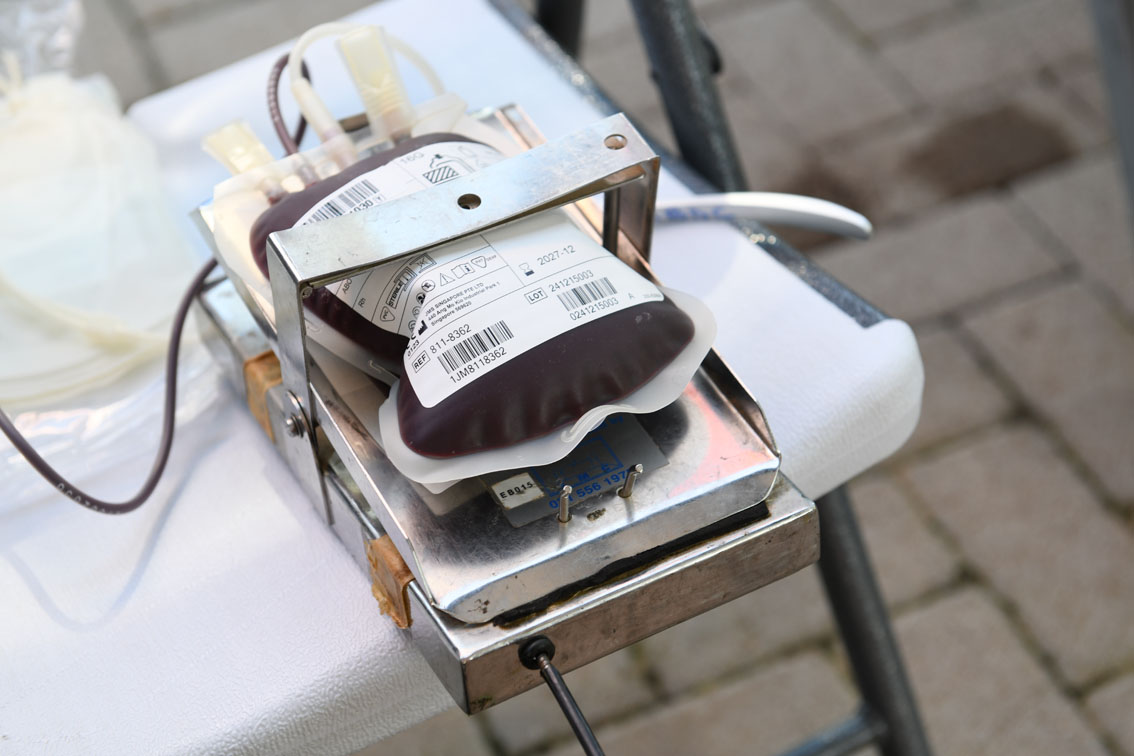
Blood donation symbolises a simple act of kindness, that can make a life changing difference. It is for this reason that the quartet of Miss Universe Botswana finalists, First National Bank of Botswana (FNBB), Blood for Life and National Blood Transfusion Service joined hands in a blood donation campaign to give hope and save lives. Their efforts are premised on the need to increase the availability of safe blood, a priority in Botswana’s healthcare system. Through the Blood for Life Botswana campaign, the intention is to promote voluntary blood donation as an ethical and free act of community service. According to health experts, regular blood donation offers numerous health benefits, such as reducing the risk of heart attacks, improving blood flow, decreasing blood vessel blockages, balancing iron levels, and lowering the risk of certain cancers.
“Donating blood is completely safe. Sterile disposable equipment is used for each donor, eliminating the risk of blood-borne infections,” explained representatives of these organisations.
The campaign also aims to dispel myths and fears surrounding blood donation, encouraging more citizens to contribute and maintain a reliable blood supply.
Molibi Maphanyane, Chairperson of Blood for Life Botswana, underscored the organisation’s commitment to fostering a culture of voluntary blood donation.
“We collaborate with the National Blood Transfusion Service to increase awareness, accessibility, and availability of safe blood. Our team comprises passionate individuals from private sectors and Small, Medium and Micro Enterprises (SMMEs) dedicated to saving lives,” he said.
Through nationwide blood drives, community engagement, and digital campaigns, Maphanyane noted that Blood for Life Botswana aims to prevent loss of life due to the unavailability of blood. “This effort is about saving lives. Botswana needs a constant blood supply to respond to road accidents, childbirth complications, surgeries, and emergencies,” he said.
He acknowledged that public participation had historically been sluggish, partly due to fears, misconceptions, and limited convenient donation opportunities. “Many people are unaware their blood is needed until someone close to them is affected,” he added.
The collaboration with Miss Universe Botswana and other partners has fostered a safe and proud environment for donation. Maphanyane credited Miss Universe Botswana for leading the charge, including bringing the 2025 Top 14 finalists and the beauty queens to support the drive.
Looking ahead, Blood for Life Botswana plans to make blood donation a regular feature, with monthly drives across the country to bring the service closer to where people live, work, and socialise. “I expect us to stand together and show up for each other. I want to see people not just coming to support, but walking away knowing they have saved a life. My hope is that this day marks a turning point where giving blood becomes part of our national culture, part of what it means to be a proud, united and compassionate Batswana,” he emphasises.
Miss Universe Botswana 2025 Top 14 finalist, Dabilo Moses describes the event as a good cause, saying personally, she did not know that Botswana Blood Bank did not have enough blood.
“I believe that if there is blood shortage, we should come together as the community to fix the problem. Today, I came to do my bit, and I believe it will go a long in benefiting the nation,” she adds.
Botho Gaobotse of National Blood Transfusion-Gaborone says the collaboration is a mutual effort.
“Our main concern is to help those people who may need blood and they include cancer patients, car accidents victims, children born with anemic conditions and women who went through caesarean-section during delivery and suffered anemia. We want to help because blood is life and it transports food and mineral to our relevant body parts, “she says.
She notes that the government has tasked their department to produce 45 000 pints, being two per cent of the population, which they are to produce annually.
Gaobotse says they are not meeting the target because ofthe low number of people who heed to the blood drive call.
She says in 2023, they only produced 28 000 pints of blood and 2024 they managed only 27 000 pints, noting their donor criteria is from 16 years to 65 years olds. Nandi Patel, a 50-year-old who has been donating blood for the last 10 years says it is a great privilege to donate blood to save someone’s life.
She emphatically expresses that people have to be made aware that donated blood might help their loved ones.
“Personally, I feel that as citizen, you have to do your little bit for the community and I feel that everyone must do that,” she says.
Miss Universe Botswana communications officer, Ms Kesego Ngwai, says they felt compelled after hearing of the state of the National Blood Bank.
Miss Universe Botswana took initiative and organised a blood donation drive and others sectors decided to work with them.
She highlights they often see and hear on social media families pleading that their hospitalised members are in need of blood.
The call that the National Blood Bank was at its lowest capacity was a wake-up call for us to join in and help mobilise a team of eligible blood donors as a way to help Ministry of a health and other stakeholders to collect as much blood,” Ms Ngwai explains.
She said their action resonates with what they stand for, stepping in and giving hope.
“We have also realised that words alone were not enough as leading and donating blood could speak better to those who believe in seeing, it could be motivation enough to someone who has taken a back seat. We hope this blood donation drive will inspire, motivate and compel many other organisations like ours to join in the trend and save lives,” said Ms Ngwai.
She emphasised that it is only through collectively bargaining that they can overcome fear for needles, which is what they learned when they first announced the initiative.
“Let us embrace blood donation and see it as a way of saving lives, let us make blood donation fashionable,” she said.
Lesedi Mankwe, the Marketing Coordinator at FNBB World of Golf describes the affair as a critical national purpose, which directly addresses the persistent shortage of blood in Botswana’s hospitals and clinics.
She says the country frequently faces low stock levels at the blood bank, which delays vital treatments like surgeries, accident recovery and maternity care.
“By organising this drive, we’re not just collecting blood; we’re restoring lives. Timely availability of blood ensures that doctors can perform life-saving procedures without delay, and patients won’t have to wait or be turned away due to low supply,” she notes.
This initiative is also about education as she believes raising awareness and mobilising blood donation is an act of community care that has profound national impact.
“On this note, we will be inspiring a culture of regular blood donation in Botswana, especially among the youth and working professionals,” she adds.
She believes the best method to encourage people to donate is awareness combined with experience.
When people understand that blood donation is safe, quick, and literally life saving, they are more inclined to step forward, she points out.
She observes that pairing blood drives with community events, corporate social responsibility campaigns, and giving donors a small gesture of appreciation (like coffee and cake, or a badge of honour) also boosts turnout.
“More importantly, personal stories from people whose lives were saved by donated blood resonate deeply with communities and spark empathy-driven action,” she says. ENDS