


Volume 50 Issue 9 - September 2012 : Entertainment
Power, Plunder and the Struggle for Zimbabwe
Author : Pako Lebanna
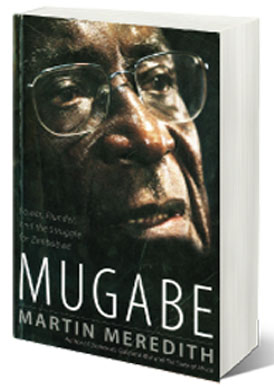
Martin Meredith, the respected author of various works such as The Fate of Africa: A History of Fifty Years of Independence, takes a look at the person of Robert Mugabe and his leadership of Zimbabwe from independence to the post-2000 economic and political crisis that is still dragging on a decade later. Mugabe’s background as a guerilla leader within the Zimbabwean African National Union (ZANU) Patriotic Front (PF) war effort against the while minority Rhodesian government in the 1970s is documented in the book.
Meredith goes on to describe the first 20 years of Zimbabwe’s independence, when a semblance of a successful African state was portrayed to the world, beneath the veneer of the reality of corruption and tyranny. A whole chapter documents the Gukurahundi massacre of the early 1980s, wherein the Mugabe administration crushed a rebellion against his nascent rule that assumed leadership in the 1980s. About 20 000 people in Matabeleland were killed in the ensuing crackdown, and even after ZANU- PF made peace with Joshua Nkomo’s ZAPU, and damning reports by Amnesty International, Mugabe always downplayed the role of his government, according to the text. Most of the text deals with the challenges that precipitated the post- 2000 crisis, such as the corruption that took root within government after independence, and how the land issue was used as a scapegoat for the country’s ruling elites to cover up for their own failures.
The emergence of the Movement for Democratic Change under erstwhile trade union leader Morgan Tsvangirai, led to the Mugabe administration cracking down on popular dissent to preserve its own privileges, Meredith insinuates. The beginning of Chapter 8, Meredith documents how the Mugabe administration had abandoned even the war veterans that would later be used in land invasion campaigns. At the funeral of Mukoma Musa, a popular war veteran, a serving senior military officer, Brigadier Gilbert Mashingaidze, is quoted at the beginning of Chapter 8 as saying he had used 10 000 Zim dollars of his own money to bury Musa because he was poor, and; “Some people now have 10 farms to their names and luxury yachts and have developed fat stomachs when ex-combatants like Comrade Musa lived in abject poverty. Is this the Zanu-PF I trusted with my whole life? Is this the party that promised to care for us in old age? To the majority of Zimbabweans I say our party, which I believe is still a great party, has abandoned us.” It is a well-written book, though Meredith always takes the posture of an author that is negative towards Robert Mugabe as the leading character in the book. Though an element of bias, especially sympathy towards the old Rhodesian regime is discernable, a lot of what is published are hard facts that provide historical insight into the Zimbabwean problems. ENDS