


Vol 66 April-June 2026 : Feature
Kanye Airfield: A key point of the liberation struggle in Southern Africa
Author : Idah Basimane
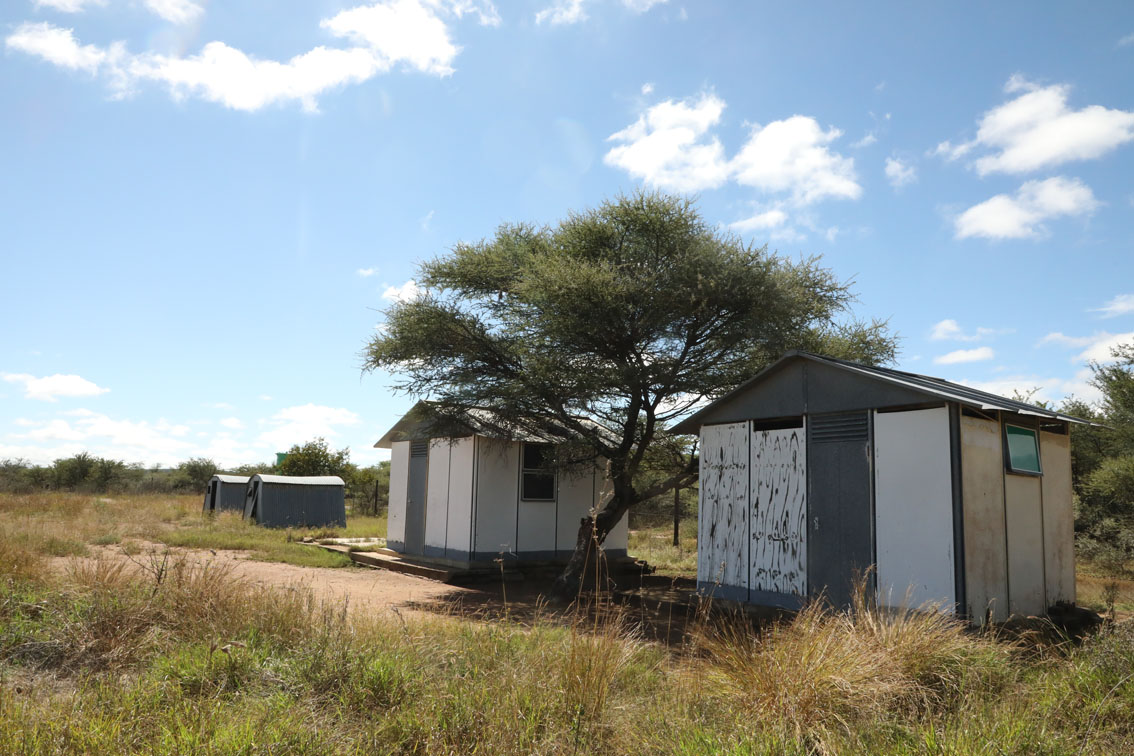
The liberation of the people of Southern African is a significant occurrence in history, considering that it managed to bring to an end centuries of universal colonial exploitation and racial humiliation.
It is worth noting that such liberation struggles were achieved using some places as training camps and transit points.
Some of those sites still serve as foundational pillars for post-colonial regional harmony, showcasing how independent African nations provided asylum to struggle heroes.
The sites are also widely recognized in Southern Africa as key entities in preserving regional unity.
Highly regarded as heritage sites, some Southern African countries have turned those places into museums and use them to promote social cohesion.
Some of those sites serve as major tourism attractions promoting regional heroes, thus supporting local development with funding.
One such unique site is the Kanye Airfield, which played a critical role in the clandestine strategy of former South Africa president and liberation struggle hero Nelson Mandela and the early formation of Umkhonto we Sizwe (MK), the armed wing of the African National Congress (ANC).
Mandela was travelling through Africa on a mission to secure political and military backing for the ANC’s turn to armed struggle.
On his return to South Africa from organizing military training abroad, Mandela came to Botswana by airplane, landing at the Kanye Airfield on the evening of July 23, 1962. The freedom fighter found it fit to use the airfield instead of any other route.
Mandela decided to return to South Africa via Bechuanaland Protectorate, using the airfield following a meeting he had with Fish Keitseng and Oliver Tambo in Mbeya, Tanganyika.
The Kanye Airfield was by then more secluded and thus less likely to be under the eye of South African agents, than the Lobatse Airfield.
He was earlier on warned to avoid landing in Lobatse due to security risks, leading to his diversion to Kanye.
The airfield allowed Mandela to move between Tanzania and South Africa without valid travel documents during the period he was known as the “Black Pimpernel,” actively building the armed resistance to the liberation struggle in South Africa.
Historian and Principal of Livingstone Kolobeng College, Jeff Ramsey explained to Kutlwano that the network around the airfield allowed Mandela to bypass South African Police surveillance on his way to and from his secret visits to African leaders.
While using this clandestine air route, Mandela was successfully raising funds and securing training for MK, which was in its infancy in 1961-1962, Dr Ramsey highlighted.
The Kanye airfield, he noted, was therefore a physical node in the logistical network that turned the decision to engage in armed struggle into a functioning reality.
One man, Keitseng, is depicted as a Motswana trade union activist and politician.
“Keitseng will either wait or pick up ANC members from the airfield and keep them safe until a charter plane was organized to take them north,” the book: ‘Comrade Fish; memories of a Motswana in the ANC underground,’ states. ENDS