


Vol 66 Issue 26 October-December 2026 : Others
Farmers future looks gloomy due to El Nino
Author : Aubrey Maswabi
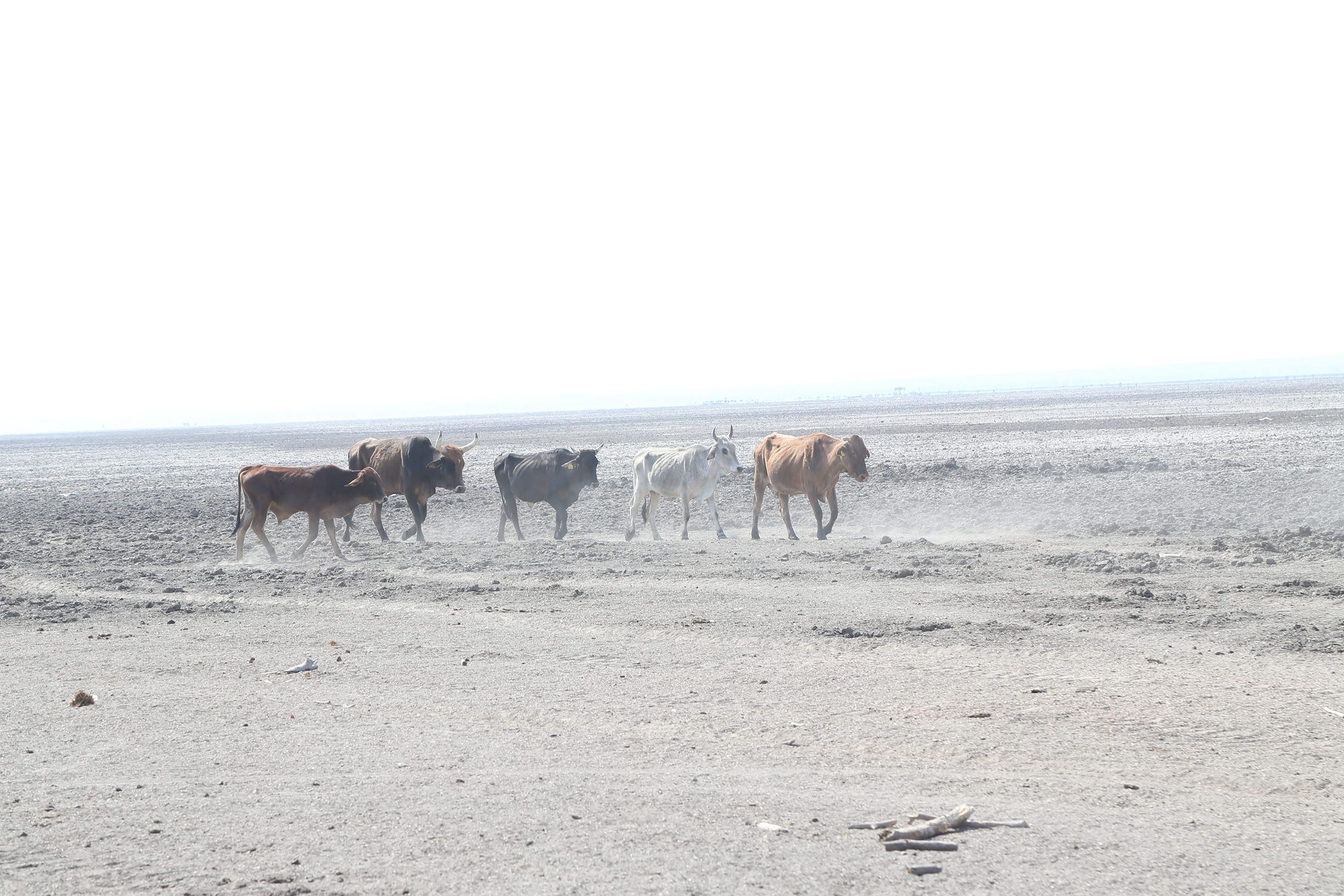
The 2026/27 farming season promises to be a gloomy one for farmers in Botswana and beyond the borders as the effects of El Nino threatens to shatter both pastoral and arable farmers’ plans.
Early season warnings suggest the presence of El Nino conditions, which are expected to strengthen through summer period in the southern hemisphere, particularly from October 2026 to January 2027.
Sea surface temperatures in the central and eastern tropical Pacific Ocean become unusually warm during this time with trade winds weakening.
During the just ended Winter Parliament session, the Minister of Environment and Tourism, Mr Wynter Mmolotsi, stated that as Botswana is a semi-arid, drought prone country heavily reliant on rain-fed seasonal farming, the onset of El Nino poses an immediate threat to the country’s rainfall consistency, agricultural stability and national water security.
The El Nino Phase, Mr Mmolotsi says, is projected to delay the onset of seasonal rainfall and trigger prolonged mid-season dry spells.
These conditions drastically threaten domestic yields for staple grains like maize and sorghum.
Compounded by elevated regional temperatures, high evaporation rates are expected to place intense structural pressure on major national dams, which is expected to pose a major threat to water resources.
Mr Mmolotsi further says diminishing communal watering points, rapidly deteriorating rangelands and shrinking natural water pools present an immediate threat to the national herd.
He expresses fears that the situation presents risk of localised livestock mortalities.
Mr Mmolotsi explains that Botswana has expressed severe El Nino conditions in the past, particularly the 1982/83 and 1992/93 cycles, which led to the drastic reductions in traditional grain harvests, necessitating state funded food relief.
“The 2015/16 cycle brought record-breaking heat waves and high temperatures, as well as the worst regional drought in decades. Maun recorded a historic peak of 44.0 Degree Celsius in January 2016,” he says.
The minister says the southwest experienced intense desert heat wave conditions, with Tsabong reaching 43.5 Degrees Celsius and Werda 43.3 Degree Celsius and Gaborone also reached a record high 43.9 Degree Celsius with Gaborone Dam levels dropped below 20 per cent capacity prompting severe water rationing.
Compounding the challenges presented to farmers by El Nino is the continuous outbreaks of Foot and Mouth Disease (FMD), with the Ministry of Agriculture and Lands reporting new cases in Oodi, Dikwididi, Mochudi East extension areas in the Kgatleng District.
Farmers are now in the dilemma of what will happen next as they have stayed almost a year without selling their livestock and with the envisaged El Nino, one wonders how they are going to cope with feeding their livestock when the grazing areas become stretched by high temperatures.
Zone 11 continues to be under animal health control measures, which include emergency vaccination, movement controls, surveillance, biosecurity measures are being implemented to contain and determine the extent of the outbreak. ENDS