


Volume 52 Issue 04 - April 2014 : Feature
What’s so Great About Kissing
Author : Thamani Shabani
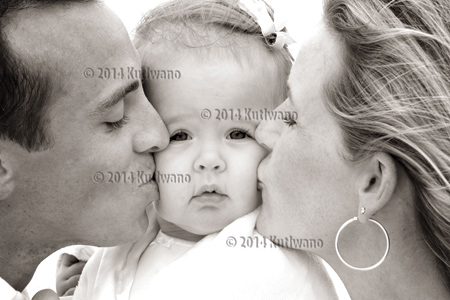
The longest kiss in 2013 lasted 58 hours, 35 minutes and 58 seconds (more than two days) and was achieved by Ekkachai Tiranarat and Laksana Tiranarat (both Thailand) at an event organised by Ripley`s Believe It or Not! Pattaya, in Pattaya, Thailand in February 12-14.
Nine couples entered the annual competition, including a married couple in their 70s. However, it was previous record holders Ekkachai Tiranarat and Laksana Tiranarat who came out on top, scooping a cash prize and two diamond rings as well as another Guinness World records title.
But what is so great about kissing? Is Kissing evil? Most Christians know that the Bible discourages sex before marriage, but questions arise when we ask if kissing is a sin.
Like many issues we face today there is no black and white answer to whether or not kissing is a sin, but instead we have to ask God to guide us in the direction He wants us to follow.
A kiss is described as the pressing of one`s lips against another person or an object.
Cultural connotations of kissing vary widely. Depending on the culture and context, a kiss can express sentiments of love, passion, affection, respect, greeting, friendship, peace and good luck, among many others.
In some situations a kiss is a ritual, formal or symbolic gesture indicating devotion, respect, or sacrament.
Many people interviewed particularly women said they like kissing for various reasons such as promoting love, building family relationships and strengthening their bonds with those close to them, be it family members or who they are in love with.
Ms Olebeng Mmaphiri, who is a mother of three and a student at Botswana College of Agriculture, explained that she normally kisses her children twice in a day, before going to school and when coming back.
She said the symbolic nature of a kiss is to build love relationship, not only in a love affair, but also in the family. “It is one of the ways of showing that you care”.
Ms Mmaphiri said in normally cases, children would be kissed on the forehead while those in love will kiss each other on the lips while side kissing is mainly for greetings. She refused to comment on deep kissing/tongue kissing.
Another interviewee, who refused to be named but is a well-known celebrity in the city explained that when one kisses, their body reacts to kissing in a way that it indicates that it is quite enjoying the experience.
The interviewee, who prefers deep kissing, explained “A great kiss makes the whole world dissolve and electrifies everything.
It makes me dizzy with desire,” adding that kissing keeps people together. She explains that one can actually tell if a relationship is going to work after the first kiss.
Dr Nokuthula Msimanga, a family practitioner and speaking from her traditional experience said kissing go deeper to show emotional connection to show expression of love and care for many people.
Though she does not know how kissing started, Dr Msimanga stated that kissing defines who we are and what we area. She also hinted that a kiss can express many things including feelings of love, passion, respect, greeting, peace and in some instances, good luck, among many others.
For example, kissing another person`s lips has become a common expression of affection in many cultures worldwide.
She said it is symbolic gesture indicating devotion, respect, or sacrament. However, she was of the view that it becomes unethical for people to kiss each other to evoke other people`s emotions.
Dr Msimanga said people, as sexual beings, arose feelings and as such, kissing openly could raise some chemical reactions to other people adding that people, especially young ones, have gone their way in doing it.
Although the origins of kissing remains a mystery, some researchers believe that kissing began millions of years ago as a result of mouth-to-mouth feeding, with mammal mothers chewing food and then “forcing it” into the mouths of their young.
From these observations, it is claimed that humans also learned kissing from exchanging food between mothers and their offspring. Ends