


Volume 52 Issue 6 - June 2014 : Others
Sebeteledi - That dreadful sleep paralysis
Author : Baleseng Batlotleng
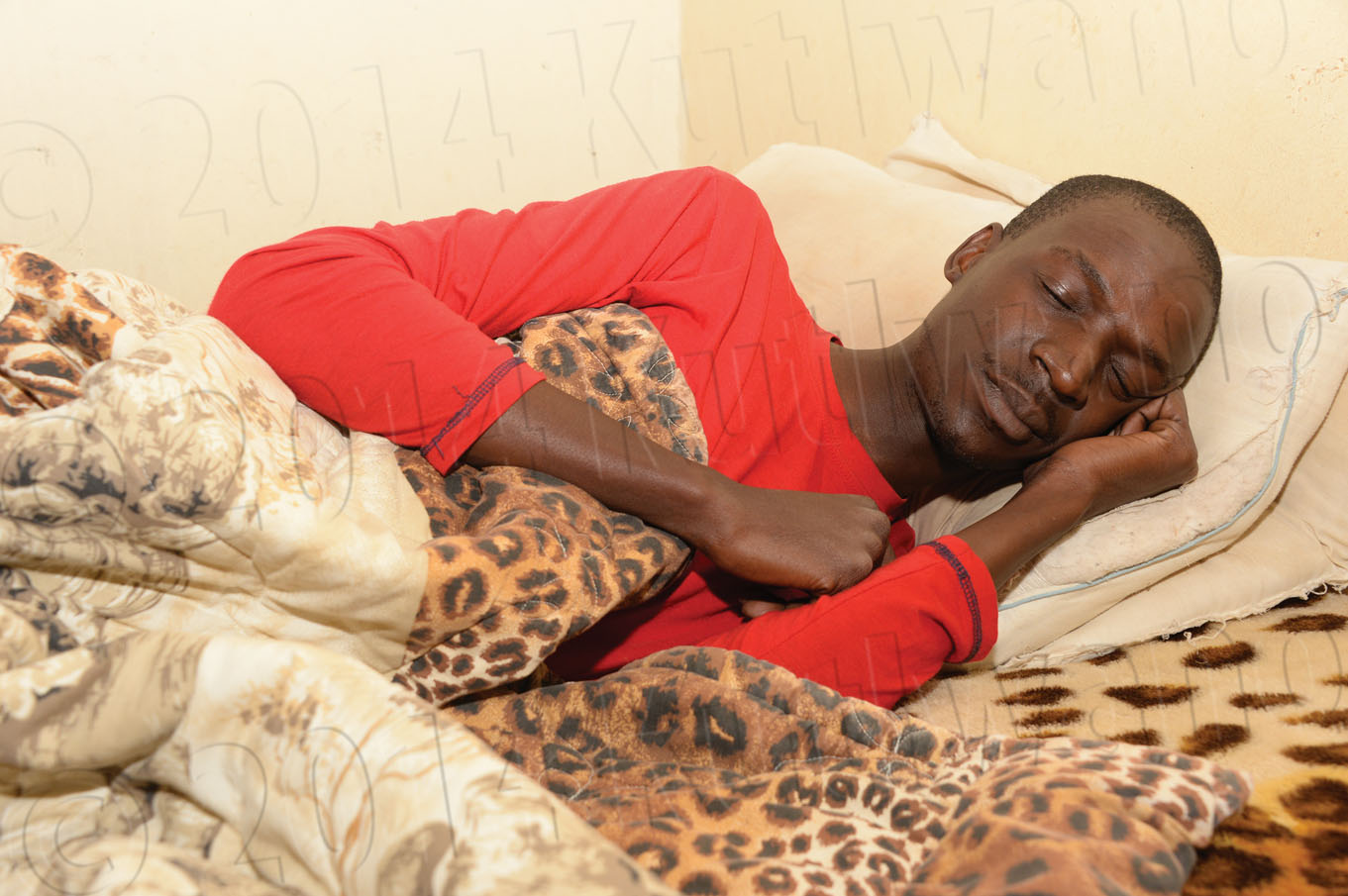
Thapelo had fallen asleep as he usually does after a long day`s work in a local supermarket in Gaborone West where he plies his trade as a truck loader.
After a very busy and quite long day, he was hoping to cruise quietly into a pleasant dreamland so that when he wakes up the next morning he would be feeling refreshed and ready to start the day`s work. Unfortunately, this is not always the case. He wakes up in the dead of the night and two things immediately spring to his mind. He cannot move his body and suddenly feels he is not alone in the room.
Thapelo feels a disgusting weight on his chest pinning him down his single bed mattress. And the worst part is yet to follow, he seems paralysed and the least of all cannot even move his lips to call out for help.
He is not sure what is pushing him so hard. The darkness in his single room makes it even harder to see what is going on around him but he feels certain about the presence of something around him, something he did not invite and something obviously quite frightening.
“Sleep paralysis is one of the sleep disorders. It involves total paralysis of the body shortly before or after sleep. This is usually associated with vivid and mostly frightening dreams. The individual dreams as if there is an intruder in the house but they are not able to respond. The individual feels afraid but cannot call for help as they are not able to move or talk, this leads to feelings of panic to a point where one may wake screaming,” explains Dr Chedza Hatitchki of Sbrana Psychiatrist Hospital in an interview.
The Lobatse based psychiatrist notes that when sebeteledi strikes or setshitshama, as the condition is usually referred to, a normal sleep cycle is characterised by reduced consciousness as well as inactivity of nearly all voluntary muscles.
“There is reduced ability to react to anything that might provoke the individual. There are different stages of sleep named Rapid Eye Movement (REM) sleep and the Non Rapid Eye Movement (NREM). REM sleep is where most vivid dreams occur. This stage is associated with muscle paralysis to prevent one from injury during these vivid dreams,” adds Dr Hatitchki. She explains that sebeteledi may be caused or triggered by, amongst others, traumatic life events, alcohol and drug abuse and sleeping on one`s back which is believed to cause the tongue to fall back and block the air passages. Some causes may include stress and physical fatigue.
However, in African culture sleep paralysis is often associated with witchcraft. In Botswana there are many cultural interpretations to sebeteledi. No amount of any scientific explanation can convince 55 year-old Gaosegelwe Othona of Goora Suna ward in Molepolole otherwise. To her, sebeteledi “ke gore baloi ba a bo ba go etetse bosigo,” she quips entrenching her strong belief in the supernatural. Thirty four year-old Kabelo Charlie offers traditional healing services to people from all walks of life. Despite his age, the soft spoken Molepolole born herbalist is respected as a powerful traditional healer with ample knowledge of herbs, spells and muti.
“Sebeteledi ke sengwe fela se abong se lebaganye le botshelo jwa motho mme e le mewa e e sa siamang. E kgona go nna lefufa le le tswang mo bathong e le ka lebaka la go kgopisana kana go tshwarwa ke motho ka pelo. Se tshwana le kgaba,” adds Charlie who started practicing at 19 years. Quizzed on whether they as dingaka tsa setso could address this inexplicable illness, Charlie says though it differs “re kgona go go apola sefifi sa teng ka thulaganyo fela e e tla a bong e lebagane,” he notes.
According to internet sources, most countries also have their own interpretation of sleep paralysis. In the small island of Fiji, sebeteledi is seen as a deceased relative coming back for some unfinished business. In Turkey it is seen as a spirit sitting on your chest and stealing your breath while the Chinese see it as a ghost.
Most people have gone through this ordeal. It is a common experience with all normal human beings though it sounds so scary and terrifying. Studies have revealed that some people may experience repeated attacks in one night or several times a week which may lead some people to have disturbances in their normal lives. ENDS