


Volume 52 Issue 6 - June 2014 : Career Corner
WHAT MAKES A GOOD MENTOR
Author : Lillian Nkosazana Moremi
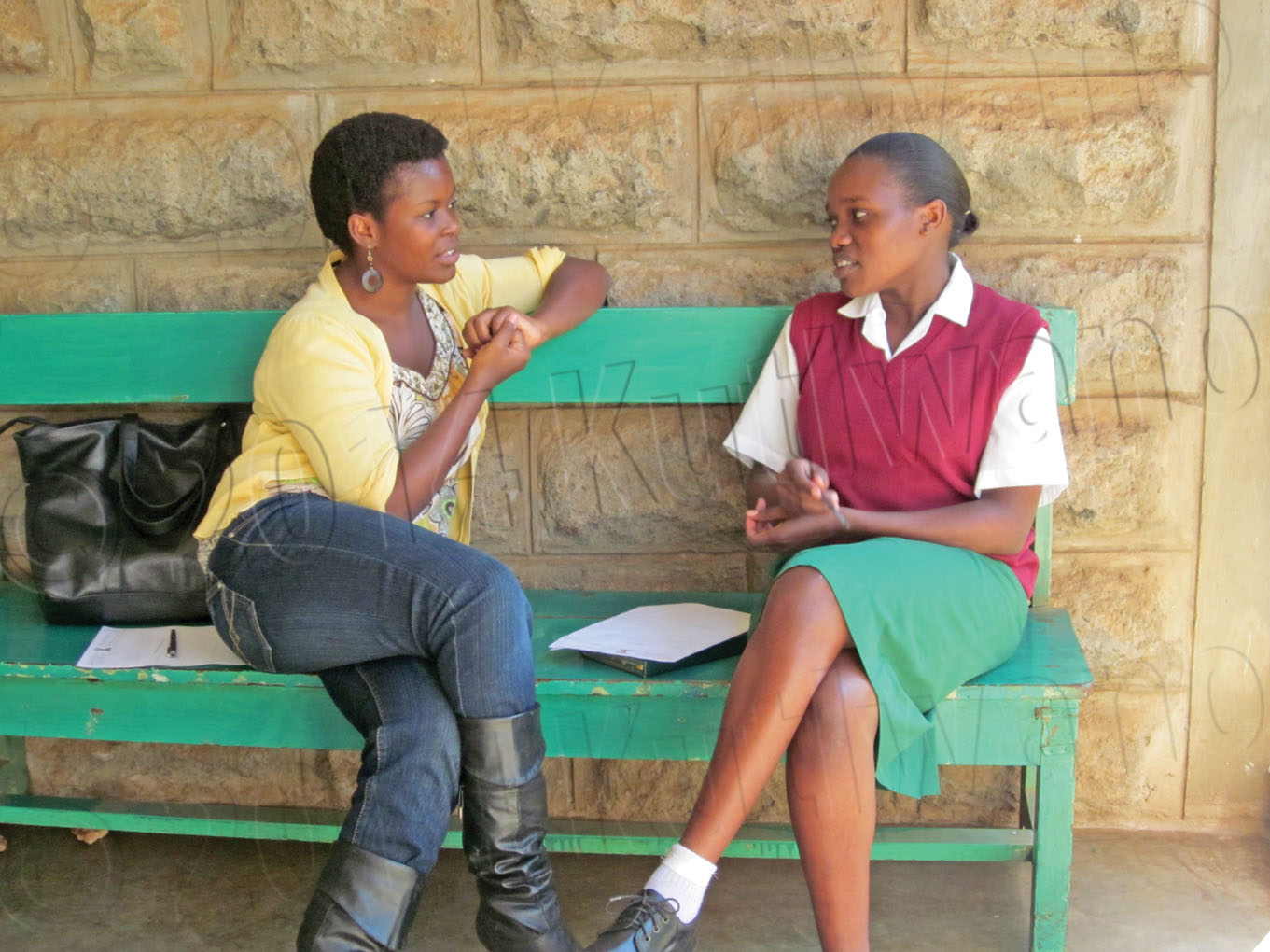
Examination times are slowly but approaching…. What results do we aspire for Botswana. Do we want to be the ones pointing fingers or do we want to also be at the forefront and leading in bringing positive change for our country`s wellbeing. One question that I ask myself every morning is “how best am I going to contribute towards the success of the students… how best do I influence end of year results of learners?
There is a lot that as individuals we can do in our own communities. We can mentor learners on so many levels, be it academics, social, psychological issues, the list is endless… any form of guidance is key in building a well-rounded and successful student.
My friends and I have adopted a couple of schools and we do mentorship sessions after work or during weekends. We talk to students about so many things such as study tips, dealing with everyday challenges, identifying one`s purpose or career path and so forth. Through The African Women Leadership Academy (TAWLA)`s Tshipidi Workplace Mentoring Programme I am also able to further contribute towards the success of learners or young professionals.
Many people feel that for one to be a mentor you have to have some form of qualification or special skills. This is not necessarily the case; mentors are simply people who have the qualities of good role models. A mentor can be a parent, teacher, friend, or any other person that inspires an individual to want to become their best and succeed in life.
During the recently held TAWLA Mentorship Programme meeting with mentors and mentees at the University of Botswana, Dr Dikobe shared the following about being a good mentor.
A mentor listens, maintains eye contact and gives mentees their full attention. Mentors guide by helping their mentees find life direction. Mentors are practical; they give insights about keeping on task and setting goals and priorities.
Mentors educate about life and their own careers. Mentors provide insight, they use their personal experience to help their mentees avoid mistakes and learn from good decisions.
Mentors are accessible; they are available as a resource and a sounding board. Mentors criticise constructively. When necessary, they point out areas that need improvement, always focusing on the mentees behaviour, never his/her character.
Mentors are supporting, no matter how painful the mentees experience, they continue to encourage them to learn and improve. Mentors are specific, they give specific direction on what was done or could be corrected, what was achieved and the benefits of various actions
Mentors care about their mentees progress in school and career planning, as well as their personal development. Mentors succeed, they are not only successful themselves but they also foster success in others. Mentors are admirable, are usually well respected in their organisations and in the community.
I got inspired by Dr Dikobe`s presentation that I wanted to share with as many people as possible so we take the call and contribute in our own spaces to give direction to the young people of the country, for it is in them that they will be the leaders of Botswana tomorrow. If you need help putting together a mentorship programme plan for your community you can contact me on ccbotswana@gmail.com ENDS