


Bird tourism: Botswana\'s untapped gold mine
Source : Kutlwano
Author : Karabo Molosi
Location : Gaborone
Event : Nature feature
Research indicates that with approximately 600 species of avifauna, Botswana is set apart with a wide range of eco-systems; from semi-desert to wetlands, allowing for an incredible bird heritage and birding opportunities.
Conversely, this gold-mine has gone unnoticed for a long time until recent years after the establishment of organizations such as BirdLife Botswana. Generally birds were recognised for their social value that includes beautifying the environment and making distinguished melodies.
The economic value of these feathered, flying creatures was overlooked above traditional beliefs.
At a large scale in Africa, Botswana inclusive, most bird species were killed for food as it is a natural act dictated in the food chain and the food web designs. Its traditional practices such as that triggered concerns from scientists and conservationists.
The fretful groups committed to find solutions to problems surrounding birds, especially that research shows cracks and the imbalance in the ecosystem caused by various factors; some natural, such as climate change and some man-made.
Traditionally, various species of birds were and some are still perceived or associated with certain activities and beliefs.
For example, in some African cultural beliefs, owls are perceived as harbinger of bad luck. It is said that if an owl is sighted on the roof of someone`s house, it`s a sign of death looming in that household.
Similarly, among certain African tribes, the hammerkop is believed to be the lightning bird that manifest itself only through lightning and only reveals itself as a bird to women.
The fat of the bird is believed to be of significance either as the fuel that the bird sets on fire when it throws down a lightning strike or as a component in valuable traditional medicine.
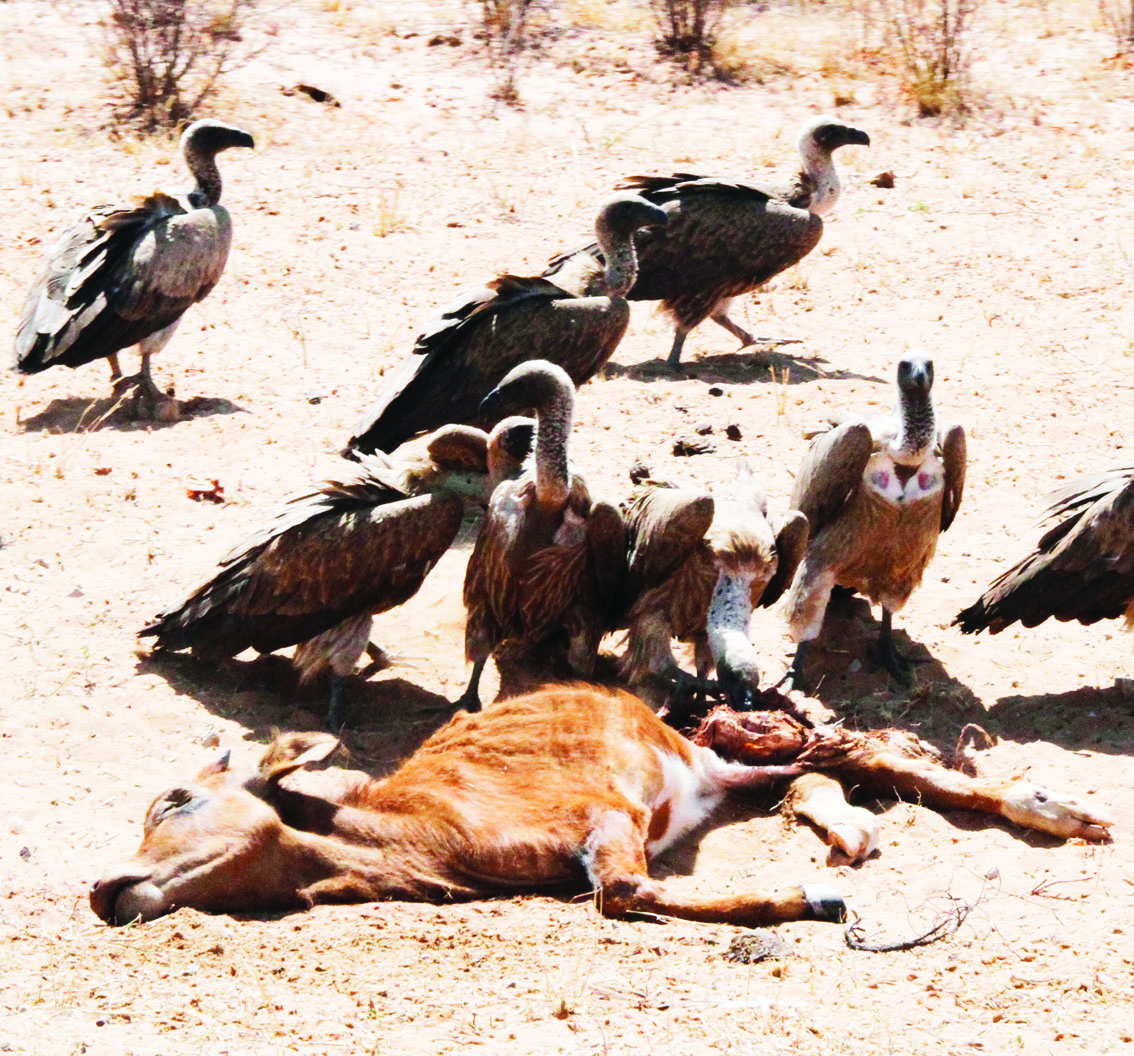
In some communities, vultures are also killed for their feathers and eyes as it is associated with fortune telling powers.
Scientific research indicates that thousands of birds are killed every year in Southern Africa due to the meaning bestowed upon them, whether out of superstition, for traditional medicine or for rituals. This exasperates conservationists who deplore such actions given the increasing threat it poses to species` survival.
BirdLife Botswana, as custodians of conserving Botswana`s birds and important habitats, creating awareness and promoting beneficial relationships between birds and people, has embarked on a bird counting project to demonstrate the role of birds as environmental indicators.
“For example, in cities, an increase in the number of pied crow indicates poor waste management,” director at BirdLife Botswana, Dr Kabelo Senyatso explained in an interview.
In pursuit to change the negative perception and traditional belief pinned to the owls, BirdLife Botswana invented the Neighborhood Patrowl programme aimed at promoting the use of Barn Owl as natural rodent controllers through the use of nesting boxes.
“Barn Owls eat rats so they fly at night to hunt these rodents. We have placed a couple of nesting boxes around shopping malls in Gaborone to kick start the project,” Dr Senyatso said.
Reconciliation of traditional beliefs, new inventions and scientific research can result in ample opportunities for economic diversification.
Through research, it has been proven that falcons (digootsane) can be used in farming. The project has been tried and tested in Pandamatenga, where atleast 20 falcons have been trained to be used to scare away quelea (thaga) which causes a lot of damage and loss in crop production.
The project is a positive addition to the newly introduced improved method of cluster farming.
Bird tourism is another area reach with opportunities. BirdLife Botswana has since identified 12 sites as important bird areas such as Makgadikgadi and Ootse.
Flamingos congregate on the Makgadikgadi Pans after the rains and when the water is high enough, the environment then allows these birds to breed.
The Red-Billed Queleas are officially Africa`s most plentiful bird species and Botswana has them in numbers.
The Kori bustard has been identified as the national bird and it`s a protected species.
One of Botswana`s signature birds is the Fish Eagle, which can be seen and heard across the waterways of the country. Its call echoing across the wilderness is tantamount to the call of Africa.
Botswana as an active member of the Convention on International Trade in Endangered Species of Wild Fauna and Flora, (CITES) recently lobbied for a discussions on illegal vulture trade.
These endangered species is hit by a double blow through poisoning and muti trade. Botswana advocated for these birds to be classified under annexure 1 where trade of vultures will then be prohibited.


