

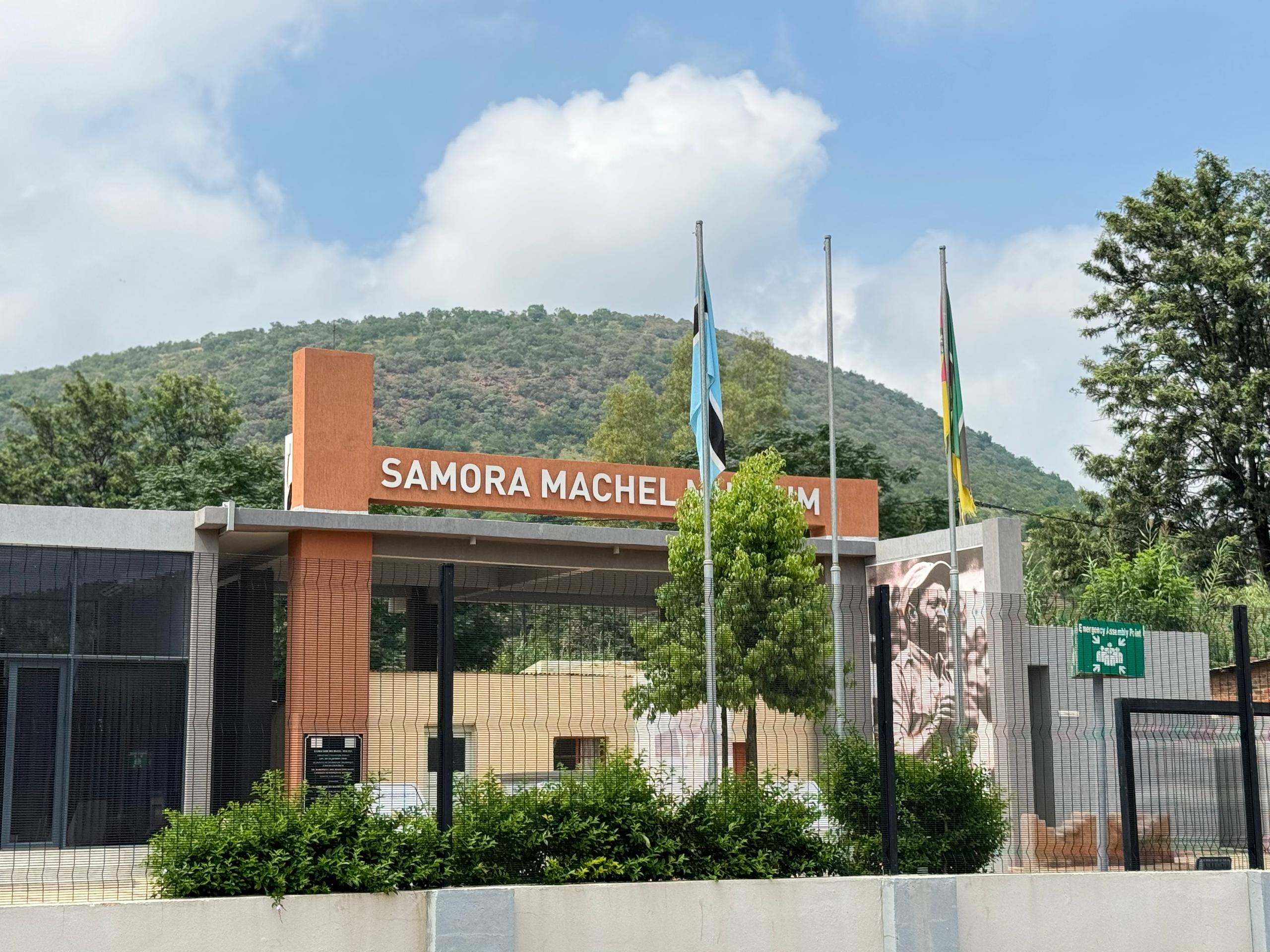
Samora Machel Museum honours long historical ties
Source : Kutlwano
Author : Calviniah Kgautlhe
Location : Lobatse
Event : Interview
It is a modern, architecturally significant institution designed to honor the service of veterans and sincere establishment.
This historical building is dedicated to preserving, interpreting, celebrating the service and sacrifices of military personnel from various conflicts by showcasing of various artifacts.
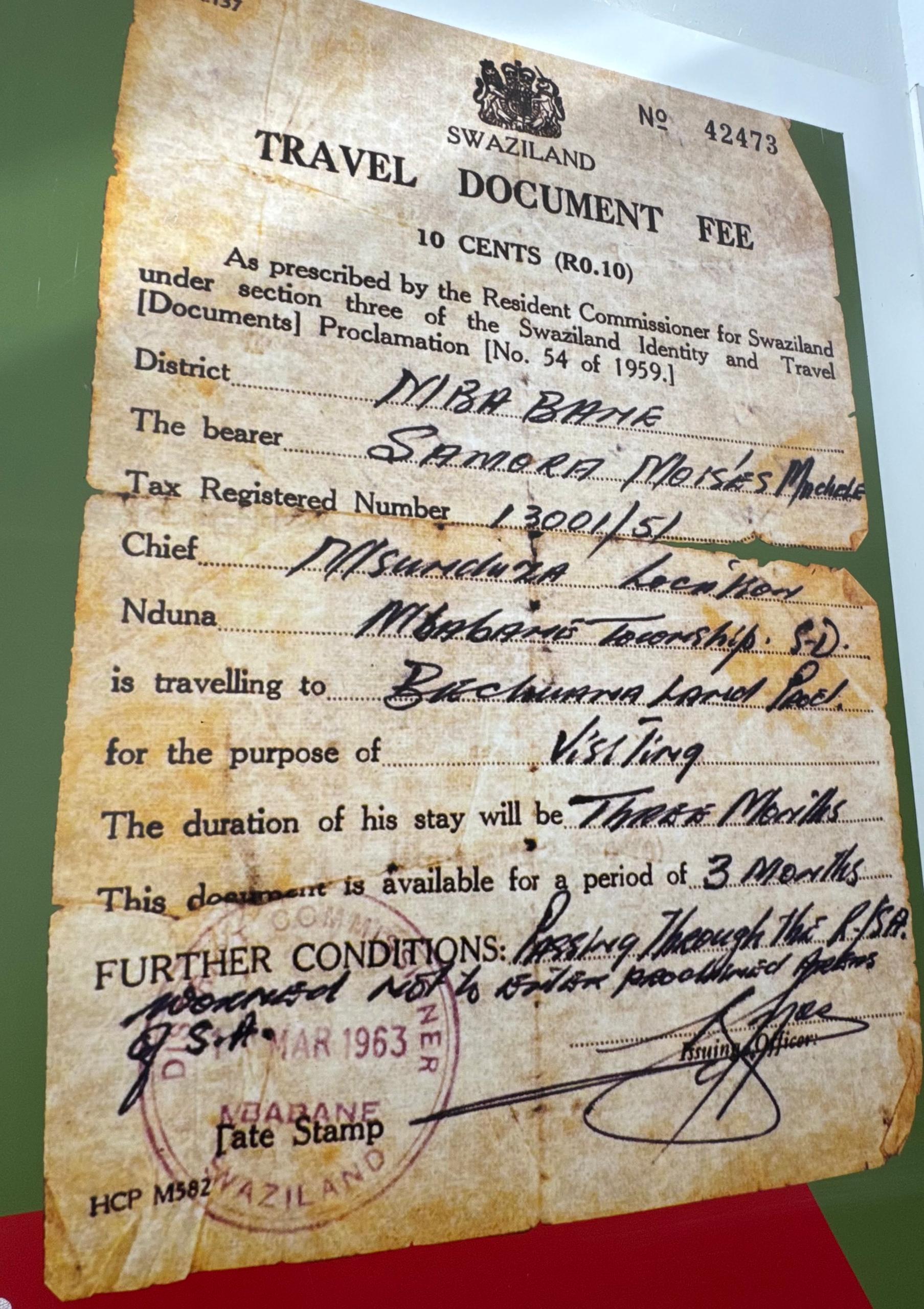
The institution features intimate items like handwritten letters, personal diaries and photographs that connect visitors to the individuals concerned.
Samora Machel Museum is located in Lobatse, a town on the southeastern part of Botswana.
The town is located about 70 kilometres south of the capital, Gaborone, near the South African border. It is situated in a picturesque valley surrounded by hills.
It is renowned for being the home of the Botswana Meat Commission (BMC) and hosting the country’s first high court, railway station and radio station.
This town was a place of refuge for liberation fighters like Nelson Mandela and Oliver Tambo of South Africa.
Samora Machel Museum finds itself as a unique interesting piece of African history, a facility that many may have no idea about.
It is the source of community pride because of its audacity to carry the highest spirit of humanity.
The museum bears testimony to struggles against political and cultural bondage in order to uphold shared values and principles of democracy with other African countries.
Inside the yard where this museum is built is the old house, a traditional old-fashioned structural set-up with two rooms, a bedroom and sitting room.
In the room, there are single beds and three huge metal trunks (potomente) used to store clothing and other important items, while the seating room has a dinner table and chairs together with a kitchen unit (raka).
The facility today is used to host ceremonies, lectures and struggle veterans-specific events. It also hosts memorials and veterans days.
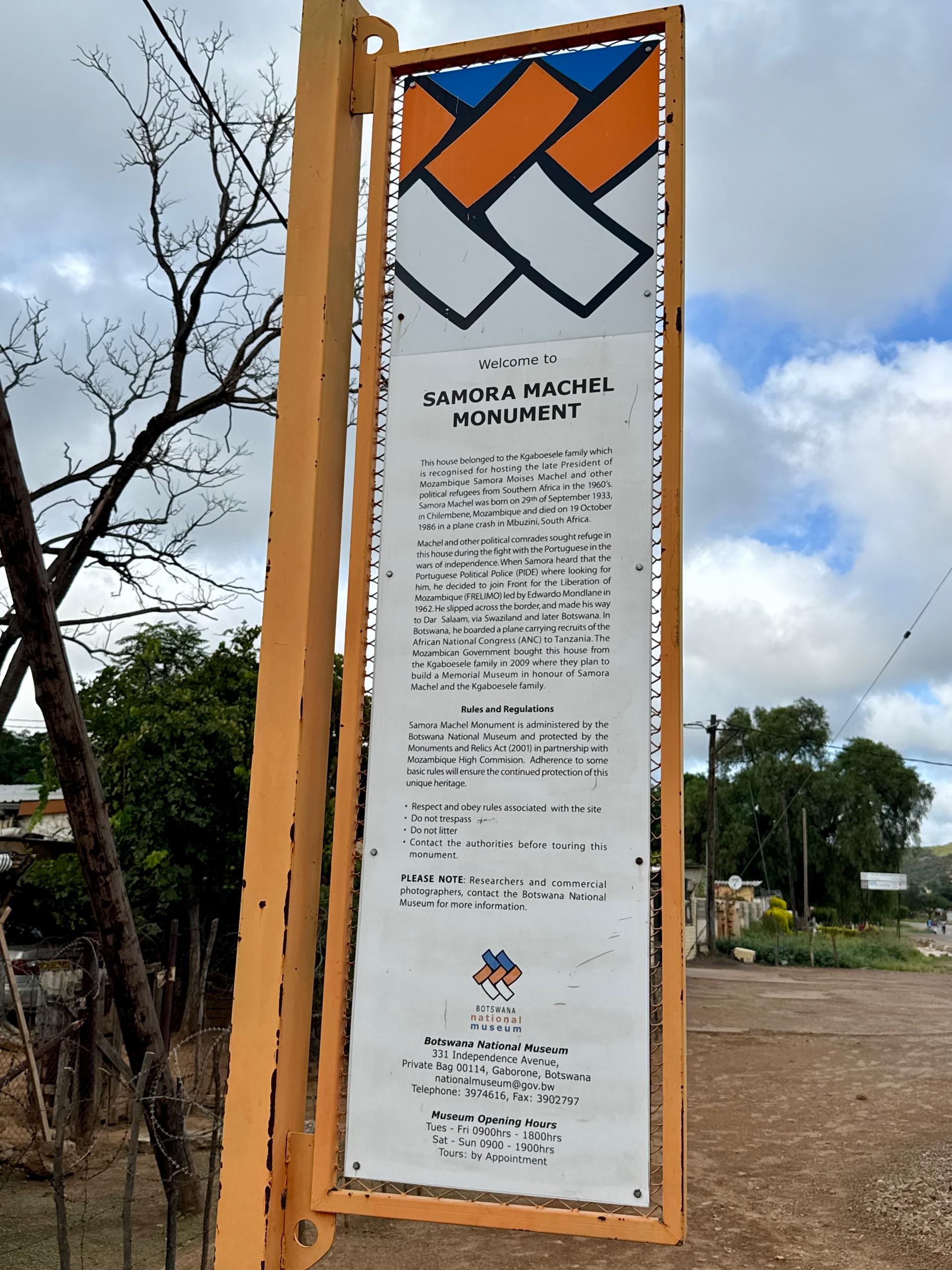
Famous struggle icons like South Africa’s Tambo, Mandela and Mozambique’s Machel fled their respective countries in fear of attacks from the then apartheid regime and landed in Lobatse where the Kgaboesele family opened their home to them in the 1960s.
The museum is located on the very ground where a young Machel once stayed for three months in 1963 on his way from Mozambique to Tanzania to join the liberation army of FRELIMO.
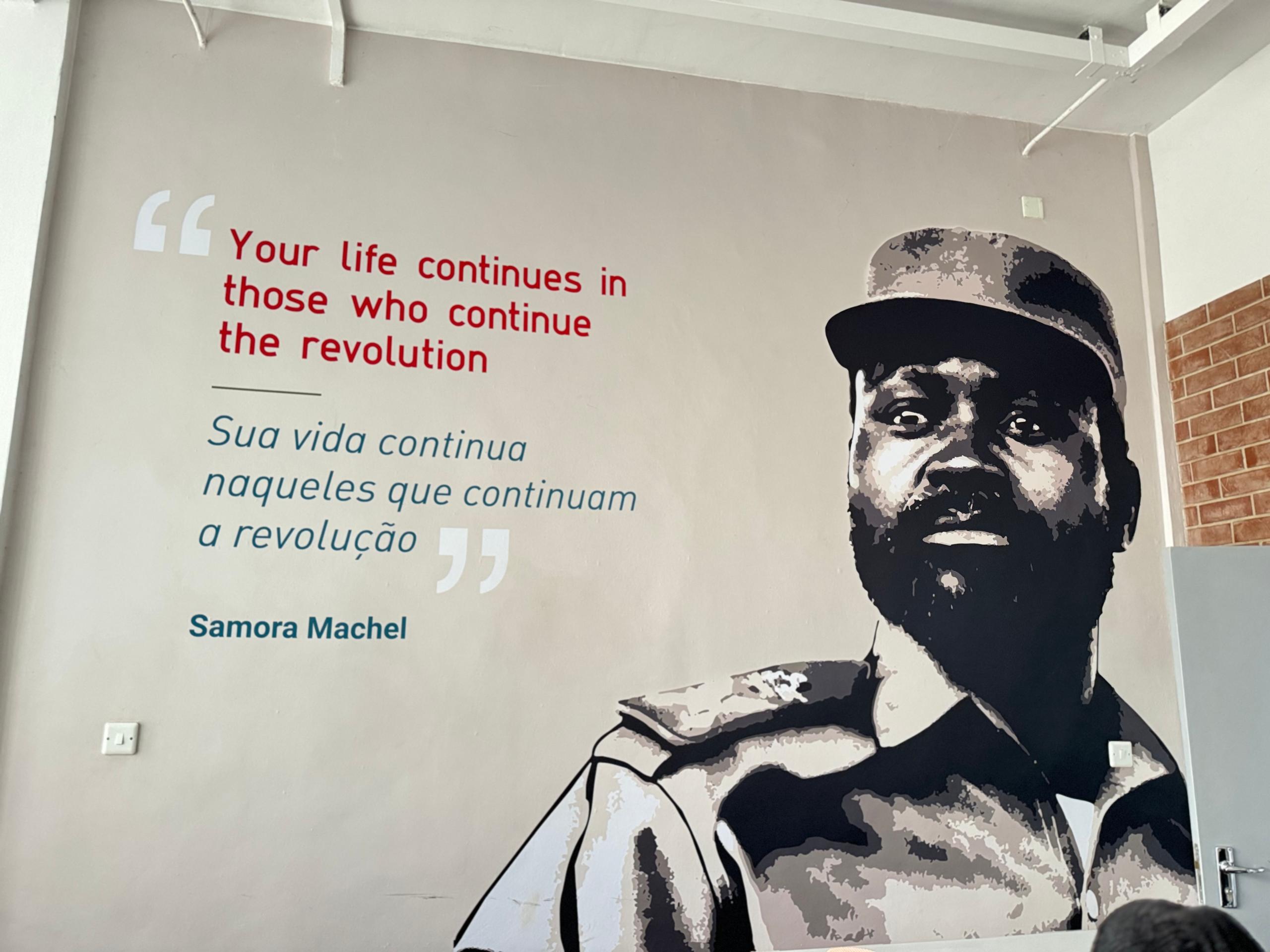
Exhibits featured include photographs, documents, artifacts and military uniforms that narrate Machel’s life and political journey.
The exhibits also provide insights into the historical context of Mozambique and its neighboring countries during the turbulent 20th century.
Its tranquil environment encourages visitors to absorb the information at a leisurely pace and reflect on the sacrifices made for freedom in Southern Africa.The museum is a result of a collaborative effort between the governments of Botswana and Mozambique, symbolizing the interconnectedness of the liberation struggles in the region.
In August 2012, it was listed and gazetted as a National Monument and was inaugurated in April 2022.
Kefilwe Kgaboesele, the last surviving family member, was born in 1954 in Kanye as a daughter of Florence and Leo Kgaboesele.
She confirms to Kutlwano Magazine that her father took pride in hosting those who fled their countries due to the struggle for liberation.
Her father was born in Dinokaneng in Lehurutshe in 1910 and later came to settle in Francistown and worked at Native Recruitment Centre (NRC).
Letsweletse Moshabi, the Project Manager of Samora Machel Compatriot Marathon Organizing Committee, uses the facility to brand his organization.
The museum is the starting and finishing point of the marathon, thus transitioning it from a standard road race to a cultural experience.
“As you mentioned, many people didn’t know the museum existed.
The marathon acts as a discovery vehicle. This attracted a demographic of tourist-runners, people who travel for races specifically to see new sights,” he observes.
The novelty of the venue acts as a marketing hook, noting, when people saw the museum on the race map, it provided an added incentive to register.
Instead of finishing a race and leaving immediately, the museum provides a destination for athletes and families to tour and explore, extending the time they spend at the event.
Moshabi notes that it serves as a focal point for community gatherings and educational tours, fostering a sense of shared heritage among the youth and elders.
The museum attracts scholars, tourists and diplomats and the influx of visitors provides a modest boost to the local economy, particularly for small-scale vendors and transport services.
Moshabi says the local schools use the museum as a living classroom, noting it allows students to move beyond textbooks and see the physical environment where revolutionary ideas were nurtured.
Francis Joao, the museum Site Manager under the Lobatse Heritage Sites says proposed complementary activities at the site include culture day activities, restaurant, open market stalls, cultural fashion show, turning Samora Machel bed rooms into a guest house, open curio shop and open out door exhibition stalls for artists among others.
“Visitors statistics of the museum is around 90-100 people visits every month, unless there are some annual event or activities during that month. Annual visitors can be more than 1000,” Joao notes.
The museum has transformed the neighborhood’s identity from a humble township to a site of international historical significance. ENDS
Teaser:
This is a specialized institution, a sanctuary of remembrance and gratitude. It exclusively features artwork created by veterans and ordinary people to showcase the impact of conflicts encountered by those who fought the struggle of liberation.


