

The good and bad effects of headphones usage
Source : Kutlwano
Author : Aubrey Maswabi
Location : Gaborone
Event : Interview
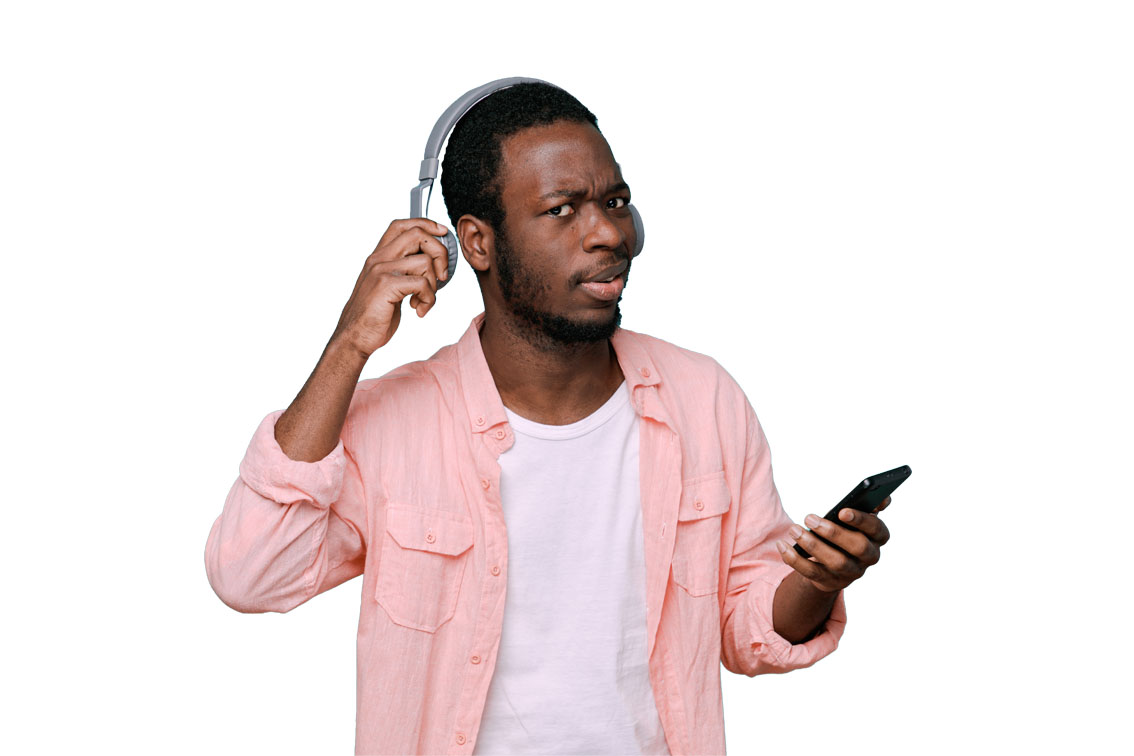
Headphones offer convenience, private audio and immersive sound for work or leisure to many.
The good effects include immersive sounds and focus as they provide high quality, private listening experiences, helping to increase focus in noisy environments.
It also provides excellence for hands free communication during meetings or on the go such as driving or riding a bicycle.
Coming to privacy, headphones allow one to listen to content without disturbing others nearby.
Side effects of using headphones tend to supersede the good usage, the sound waves the earphones produce reach our ears, causing the eardrum to vibrate.
This vibration travels through the small bones into the inner ear and onto the cochlea, the fluid-filled chamber in the inner ear made up of thousands of tiny hairs.
When this vibration reaches the cochlea, the fluid vibrates, causing the hair to move.
The louder the sound, the stronger the vibration and the more the hair moves.
So continuous long-term exposure to loud music causes hair cells to lose their vibration sensitivity. It can also cause many other side effects.
Modern technology has a solid ability to deal with noise, so headphones are highly sensitive to noise.
The long-term wearing of headphones or high volume will put the brain in a state of excitement, resulting in nerve fatigue and adverse effects on hearing.
Suppose you use earphones for a long time. In that case, it will harm hearing, especially when the ear begins to experience tinnitus and deafness, because the capillaries in the cochlea tend to shrink and dry out, causing poor blood circulation in the pinna, causing ear muscle atrophy, hearing loss or severely affecting hearing.
If you use headphones frequently, the sound will gradually become noisy. Prolonged use of headphones without rest can lead to symptoms such as acute-onset injury (tinnitus), earache and hearing impairment, and vertigo.
Due to long-term excessive attention to sound, the blood circulation in the ear is seriously damaged and the ear is prone to fatigue and even hearing impairment.
Being in a noisy environment for a long time will produce a strong sense of stimulation, which will cause people to have symptoms such as fatigue and dizziness.
In addition, after wearing earphones for a long time, it is easy to cause tinnitus and hearing loss.
Hearing loss and hearing impairment caused by earphones will generally recover slowly within three months, not to say that they will return to normal after three months.
The sound that headphones produce can have a negative impact on the eardrums.
Your nervous system is affected by sound travelling from your ears to your brain, which results in a lack of focus.
Excessive use of headphones can lead to weaker concentration and focus abilities.
In addition to tinnitus, hearing difficulty, earache and frequent ear infections, long-term use of headphones leads to excessive ear wax.
Long-term electromagnetic waves generated by headphones can cause damage to the brain as well.
The brain receives signals from the ear through nerve fibres that are insulated by high decibel levels of noise. Ear infections can also affect the brain.
A Press Release from the Ministry of Health Public Relations Unit states that the 3rd of March marks World Hearing Day, as designated by the World Health Organization (WHO).
This annual observance aims to raise awareness and promote the prevention of deafness and hearing loss.
Therefore, Botswana joined the global community in commemorating this important day.
This year’s theme, “From communities to classrooms: hearing care for all children,” targets children from birth, all the way to senior secondary school age.
Healthy ears and normal hearing are essential for speech and language development, which enables children to thrive socially and academically.
The ministry’s spokesperson, Dr Christopher Nyanga says this year’s theme urges communities to prevent avoidable childhood hearing loss, identify affected children early and ensure timely interventions.
Health facilities, communities, and schools offer ideal settings for screening services requiring collaboration among community leaders, parents, teachers, and healthcare workers.
Dr Nyanga says childhood ear diseases and hearing loss are largely preventable.
He adds that the ministry advises expectant mothers to attend antenatal clinics to prevent congenital hearing loss, ensure safe delivery and detect ear defects early.
Parents must also prioritize routine child welfare services to monitor speech, language and hearing milestones.
Dr Nyanga says community leaders should promote consent for school-based hearing screenings.
Furthermore, he urges caregivers transporting children to school to avoid unsafe noise levels to prevent noise-induced hearing loss.
Teachers also play a key role in spotting ear issues, processing disorders and referring children promptly.
He says those needing hearing aids should be referred to audiology services for fitting, as these are freely available at government facilities.
The Ministry of Health encourages a positive community attitude towards hearing aids to foster acceptance among children.
It also further calls upon community leaders, parents, teachers and children to unite for stronger ear and hearing care.
As they say in Botswana, “Mabogo dinku a a thebana,” meaning that people in a community should always care for each other. ENDS


