

Mandela Monument The Humanitarian Transit to regional peace
Source : Kutlwano
Author : Idah Basimane
Location : Gaborone
Event : Interview
It contributes to peace in Southern Africa by serving as a focal point for celebrating liberation heritage, fostering regional unity, promoting the values of reconciliation and human rights.
Serving as enduring reminder of dedication to equality and non-violent conflict resolution, it is a unique cornerstone for promoting liberation heritage tourism, which documents the history of struggles against oppression in the region.
It has become a symbol of commitment to peace, equality, and justice, encouraging the adoption of these principles across Southern Africa. The site serves as a learning center where citizens, particularly the youth, can learn about the history of the African National Congress (ANC) and the anti-apartheid movement.
It fosters pride in national history and reinforces the Botswana’s commitment to democracy and freedom.
The site has been used for events like the Freedom Heritage Walk, designed to stimulate socio-economic activities in Lobatse. It encourages the community to recognize and conserve local cultural assets, contributing to local economic growth. It serves as a reminder that Lobatse was a crucial, “beehive of political activity” during the fight against apartheid.
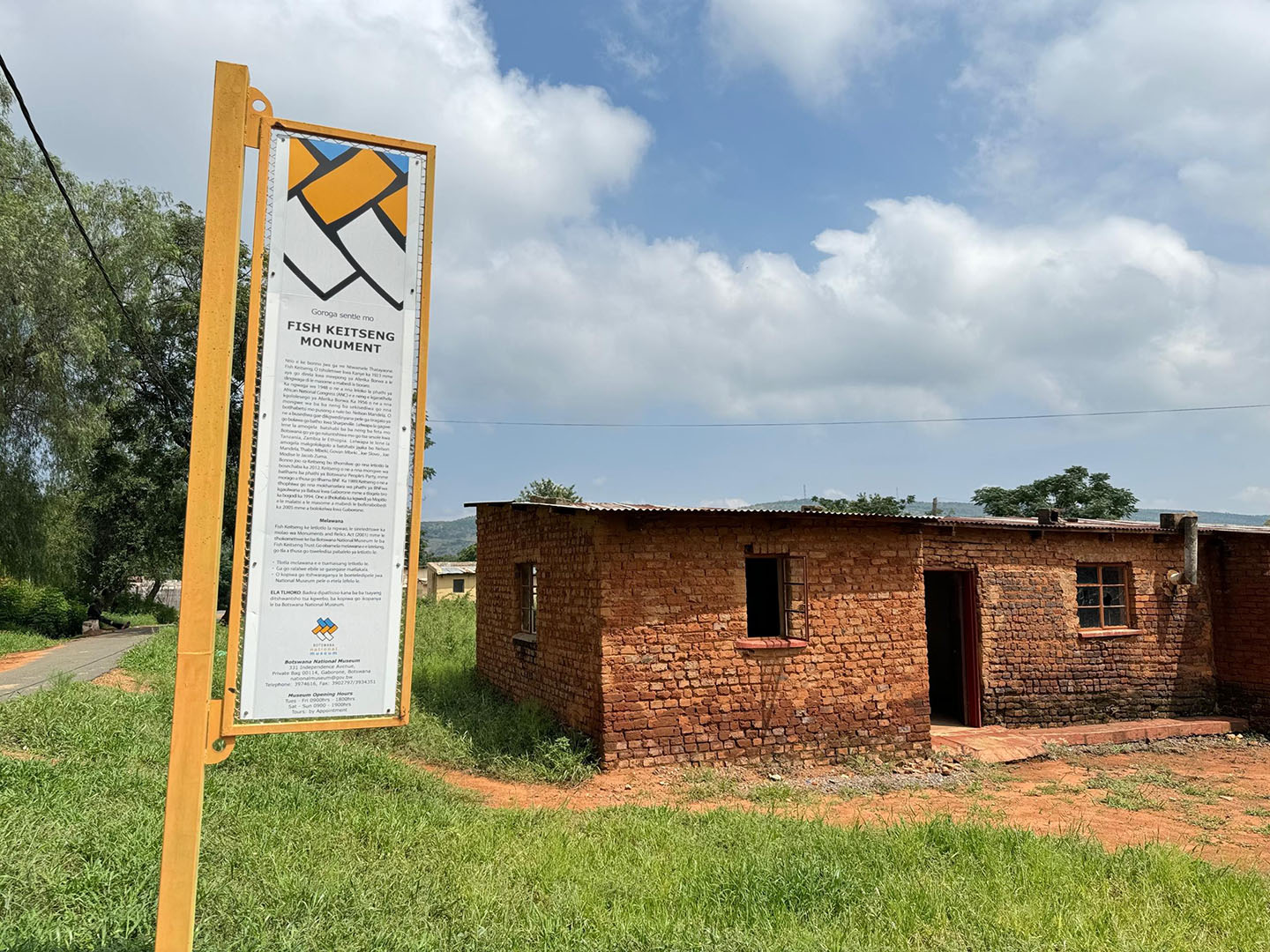
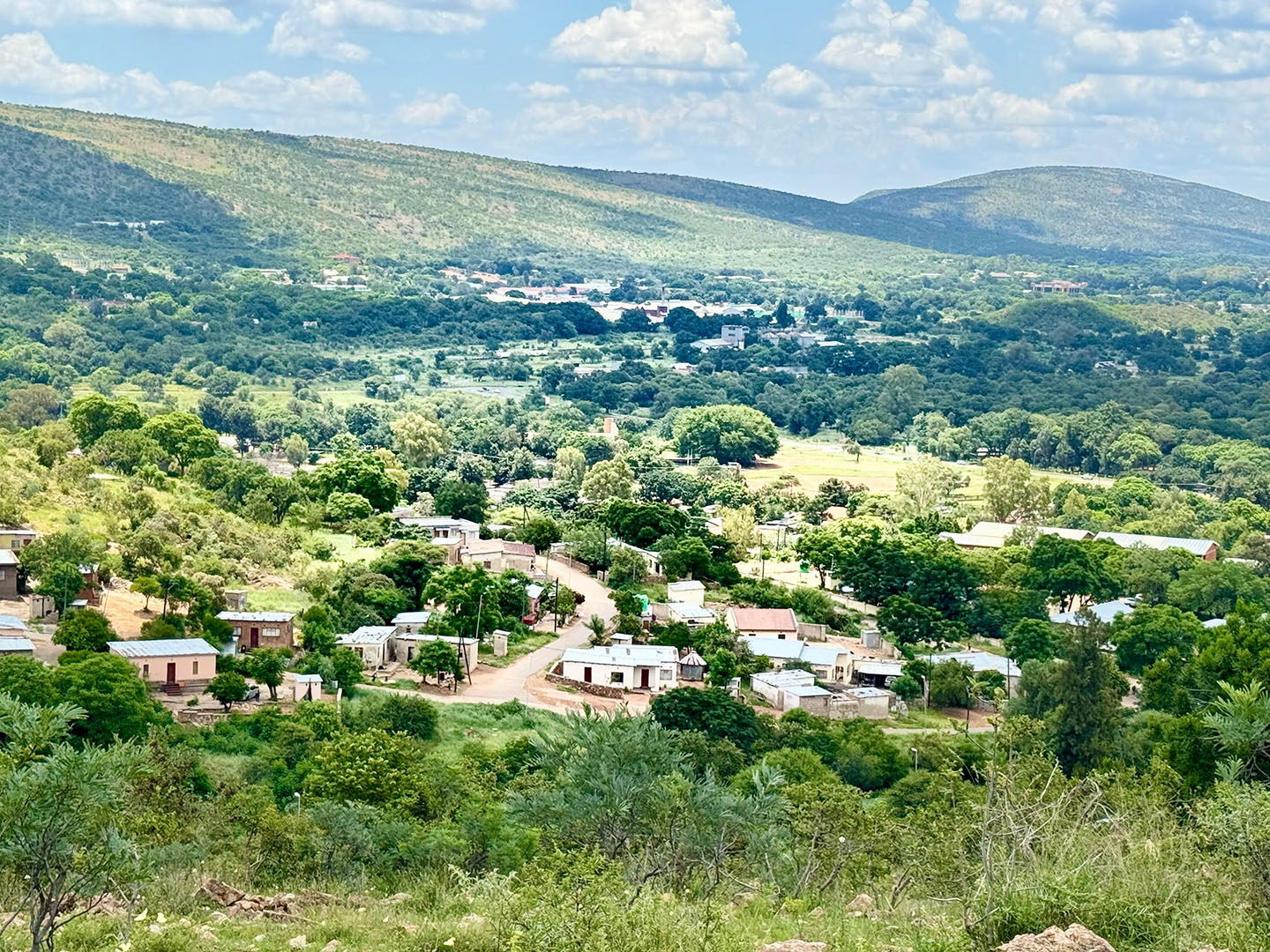
This is the Nelson Mandela site, in Pelelng Lobatse, Botswana. It has been insignificant since January 11, 1962.
On this date, the first black South African President Nelson Rolithlahla Mandela, a civil rights activists crossed into the then-Bechuanaland Protectorate to begin his first trip outside South Africa using the base in Peleng for clandestine activities.
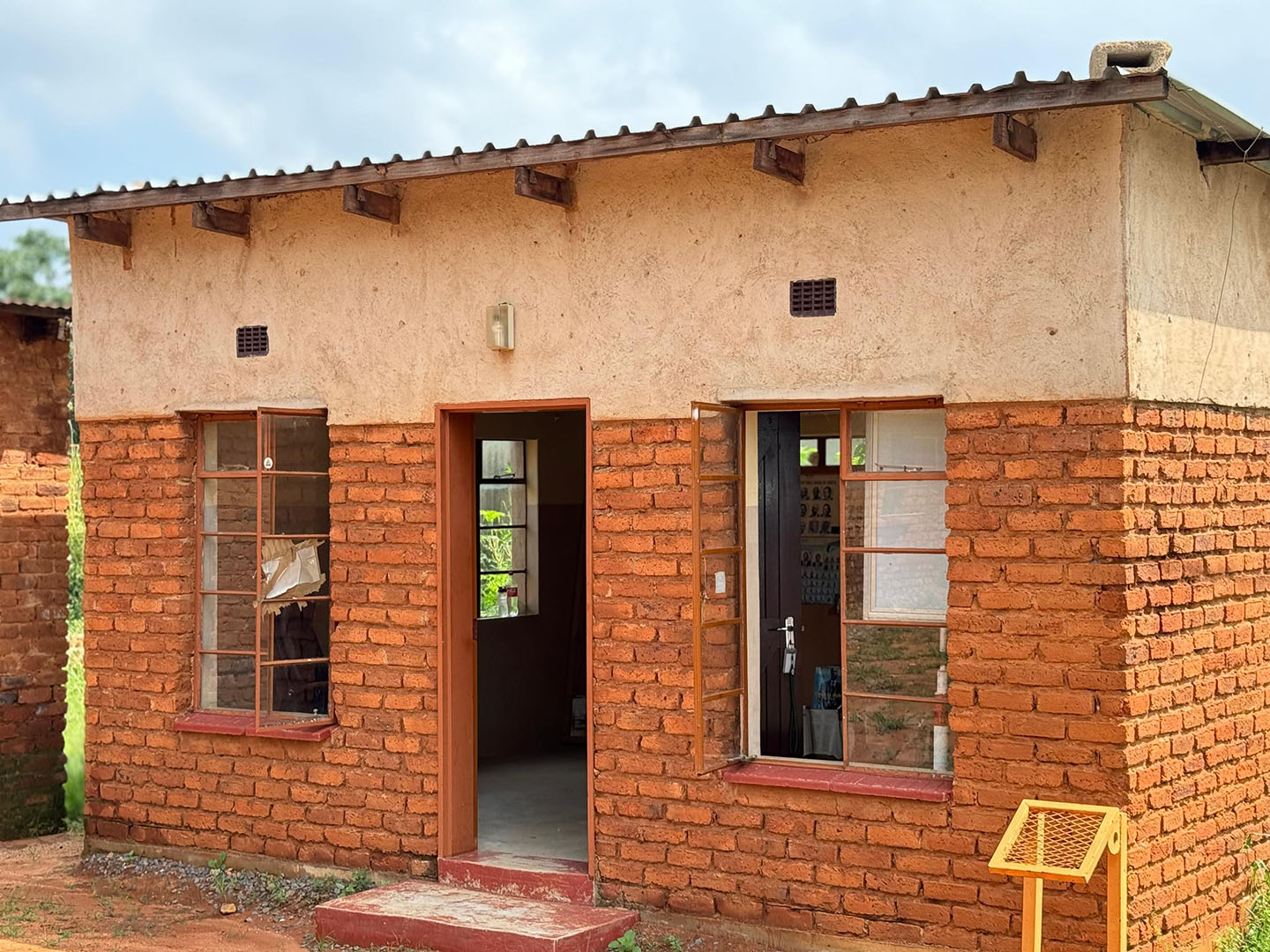
Not yet inaugurated, it serves as an honor to the South African anti-apartheid leader, highlighting Botswana’s historical role as a safe haven for freedom fighters, cementing a legacy of mutual support and solidarity between the two nations.
The Monument cements, embodies and reinforces historical bonds between Botswana and South Africa, promoting peaceful cooperative relations, democratic governance, non-racialism values crucial for long-term stability in the region.
How it came to existence, this is the in April 1960, where most of ANC, South African Communist Party (SACP), members, Pan African Congress (PAC) Members and Refugees were fleeing South Africa most for fear of being arrested, while others were freedom fighters eager to get military training in exile.
Much of the ANC leadership moved north eventually establishing exile bases in the newly independent states of Zambia, Zimbabwe and Tazania. It worth noting that the house at that time was also used to keep ANC money.
It is now in the interest of the South African and the Botswana governments to turn the plot into a museum or a state of Art Museum Monument in honor of the legacy of Mandela and Thatayaone Ntwaesele Fish Keitseng too.
The house too helped South Africa to gain its independence by facilitating the escape of thousands of activists, including Mandela, Thabo Mbeki into exile for training, hosted the 1962 ANC conference, and acted as a critical node in an underground intelligence and logistics network.
It represent the immense contribution of Keitseng family and Botswana in the fight against apartheid.
The idea is on the table at the high office and engagement with relevancy stakeholders are on-going. Keitseng is a Motswana trade union activist and politician.
He is one of defendants of the 1956 Treason Trial in South Africa, which led to his expulsion and send to Botswana.
He did not rest on his laurel here, but organized a network of safe routes for thousands of South African National Congress activists heading north.
The custodian of the place now Keitseng’s family whole heartedly agrees with the government to set up a Museum through negotiations as an instrumental figure in the liberation of South Africa and the pivotal role he played in the politics here in Botswana.
In this respect the family decided to form Fish Keitseng Trust, which operate the place now till discussion with government are finalized.
More to that the custodian decided on the Trust to preserve the legacy of Thatayaone Keitseng. Secretary of the Trust and last born in the family of Keitseng, Mphoentle Keitseng sees her father as an individual who has ideas and value that he embraced.
The notions of her father have shaped a number political figures in Botswana and South Africa, he noted with regard to the spirit of good governance.
“It’s very importantly to pause and reflect on the legacies of the man such as Oliver Tambo and Nelson Mandela so that we remain grounded.” She explains.
She could attest his father, born in 1923 in Kanye Sebego Ward, is a gentle giant, nation and community builder who had a deep love for humanity.
“He was self-educated and had never seen the four corners of class room. Out of curiosity he went to Johannesburg in his early 20’s and was recruited in to the ANC by a certain comorade JB Mausks. That is where he began other engagement as a trade unionist,” she pointed out.
He did a lot of high risk selfless tasks to liberate the people of South Africa, she remembers, also that, he saw no difference between him and a South African.
She recalls her father came to Botswana after the Shapville Massacre incident where the famous core leadership of the ANC were arrested including her father, who then was deported to Botswana.
She perceives Batswana must treasure the place for generations now and generations to come, because it showcases a legacy of solidarity and courage.
It is in this respect and worth noting that while on official trip in 1992 after his release from prison, Mandela visited Keitseng, his old friend and ANC pipeline host from 1962, his “Black Pimpernel” phase, when Keitseng ran an underground pipeline for ANC members.
This meeting took place at Fish Keitseng’s safe- house in Peleng, Lobatse, specifically at C42 his residence to honor their long friendship and Keitseng’s role in the anti-apartheid struggle.
This where Mandela stayed with his colleague in Lobatse for two weeks, going daily training in the bush.
He wakes up in the early morning, going on top of a big hill, Peleng Hill, crossed it and then went by the Kanye road until he reaches another big hill near Bathoeng Siding.
When he stops to rest, he reads a book. He was teaching himself to be freedom fighter.
Later on, ultimately after his return from various African countries, he went back to South Africa where he was arrested and detained at Roben Island and Keitseng never saw him until 1992.
This rich history, full of magnitudes is also bolstered by the fact that when Keitseng, the Motswana trade union activist and politician died on March 28, 2005, Mandela was ill, unable to attend the funeral. Mandela, anti-apartheid revolutionary political leader and philanthropist, asked the family to visit him in Johannesburg, where he famously named one of Keitseng’s grandchildren “Madiba.”
Meanwhile discussions, which have not reached conclusion, are on-going regarding the possible future handover of the Monument to various partners such as the South African government or the option to be retained by the Fish Keisteng Trust, Charles Mojalemotho, Director of National Museum and Monuments has confirmed.
Currently the Department inveterates, they have standing agreement with the custodian, where they have taken over the daily general upkeep of the site, guiding visitors and by means of paying the guides on site.
“Discussions are on the future of the Monument in terms developments and securing funding from various stakeholders including outside the country,” he has clarified. ENDS
Teaser:
The site serves as a learning center where citizens, particularly the youth, can learn about the history of the African National Congress (ANC) and the anti-apartheid movement.
“He was self-educated and had never seen the four corners of class room. Out of curiosity he went to Johannesburg in his early 20’s and was recruited in to the ANC by a certain comorade JB Mausks. That is where he began other engagement as a trade unionist,”


