

Six Frames, Six decades: Six Botswana Presidents
Source : Kutlwano
Author : Tankiso Mogapi
Location : Gaborone
Event : Interview
A photograph captures a moment. History captures a journey.
For Botswana, 60 years of independence can be viewed through six presidential frames, six leaders who, at different moments, stood at the centre of the nation’s story and carried the responsibility of steering it through changing times.
On September 30, 1966, Botswana entered a new chapter as an independent nation.
The celebrations that followed marked more than the birth of a republic, they signaled the beginning of a national journey built on self-governance, democracy and the aspirations of its people.
At the centre of that historic beginning stood Sir Seretse Khama, Botswana’s first President. The country he inherited was vastly different from the Botswana of today.
It was a young nation with limited infrastructure, a small population and the enormous task of building institutions capable of carrying an independent state into the future.
Six decades later, Botswana has changed in ways that could hardly have been imagined in 1966. Its towns have expanded, its economy has evolved, generations have grown up under a democratic system and its people have witnessed moments of triumph, uncertainty, transformation and political change. Through it all, the presidency has remained one of the most visible mirrors of the country’s changing times.
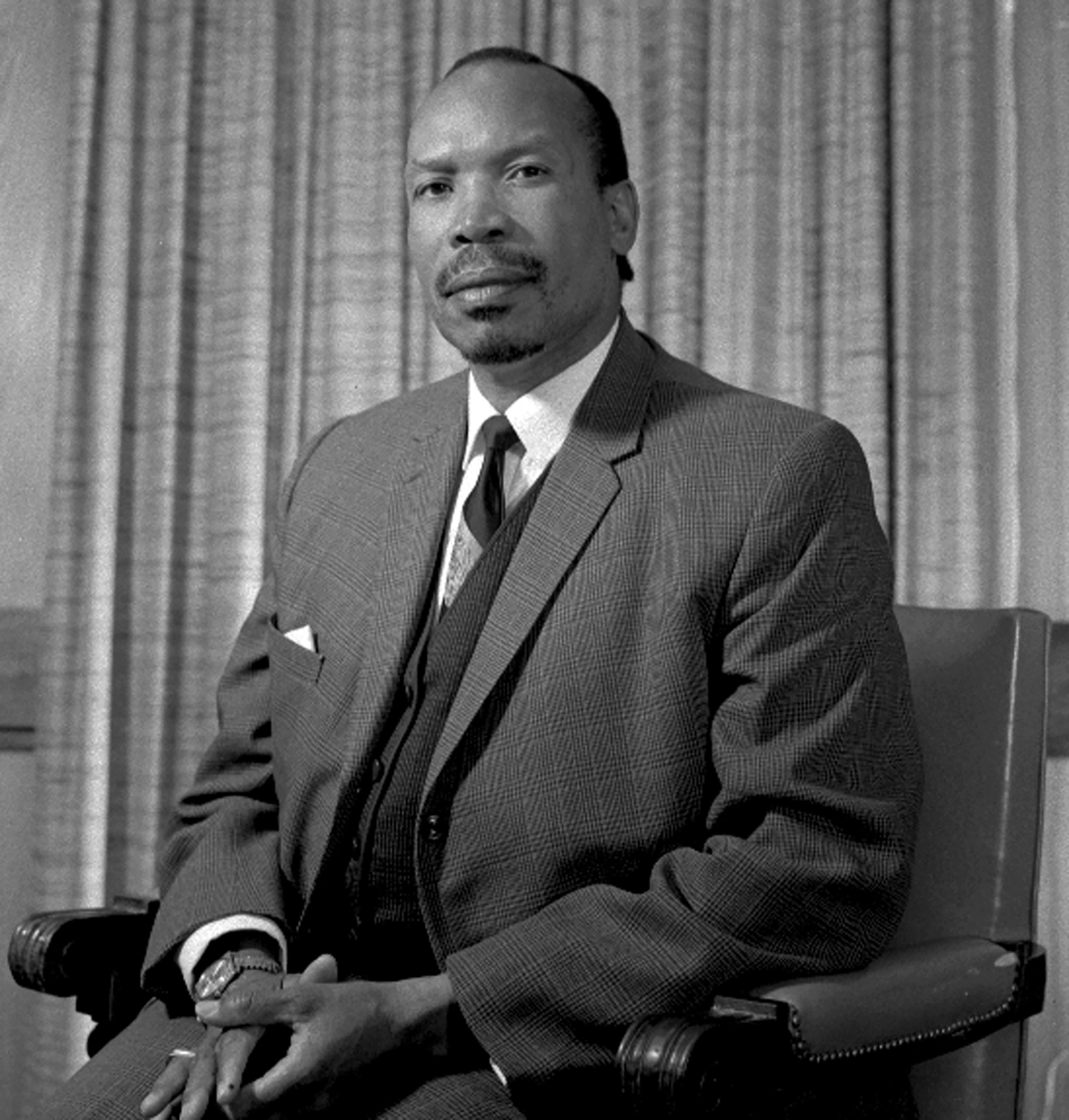
The first frame belongs to Sir Seretse Khama, the man who stood at the helm when Botswana emerged as an independent republic.
His presidency became a period of laying the foundations of the new nation, establishing institutions, strengthening democratic systems and shaping a national identity.
Khama inherited a country with limited infrastructure and resources, but his administration began building the foundations upon which, independent Botswana would grow.
Then came a discovery that would profoundly alter the country’s economic future.
In 1967, diamonds were discovered at Orapa. The discovery presented both an opportunity and a challenge for the young nation. The government moved to ensure that mineral wealth contributed to national development, while government control over mineral rights was strengthened.
Thereafter, a partnership with De Beers that developed into Debswana Company became central to Botswana’s diamond economy.
Khama’s death on July 13, 1980 brought an end to the country’s first presidential chapter. Parliament elected his successor, Dr Quett Ketumile Masire, who had served as Vice-President.
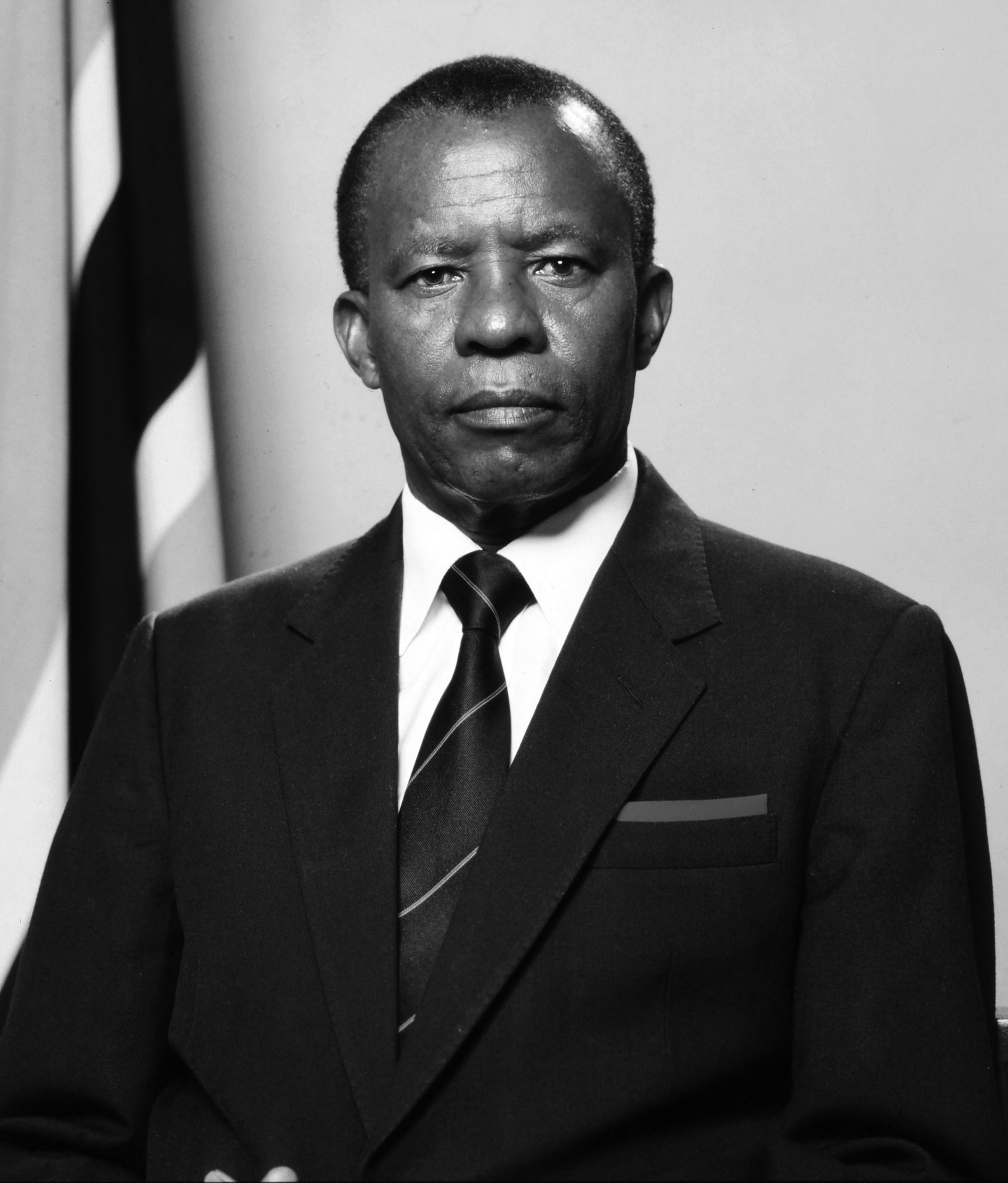
The second frame belonged to Masire, who became Botswana’s second President and remained in office until 1998.
If Khama had helped lay the foundations, Masire inherited the responsibility of building upon them.
His presidency became a period of economic expansion and social development, with diamond revenues increasingly channeled into infrastructure, education, healthcare and other public services.
Under his leadership, Botswana continued its transformation from one of the world’s poorest countries at independence towards a middle-income economy.
Roads, schools, healthcare facilities and other public infrastructure expanded, while government programmes sought to improve the welfare of citizens.
Education was another important part of this development. Free secondary education was introduced in 1989, marking a significant step in expanding access to schooling.
Masire’s presidency also strengthened Botswana’s role beyond its borders as he became an important regional statesman, chairing the then Southern African Development Coordination Conference (SADCC) and serving as the first Vice-Chairman of the Organisation of African Unity (OAU) in 1991.
By the time Masire retired in 1998, Botswana had travelled a considerable distance from the uncertain days of independence.
The second frame showed a nation becoming more established, more confident and increasingly aware of its place in the region.
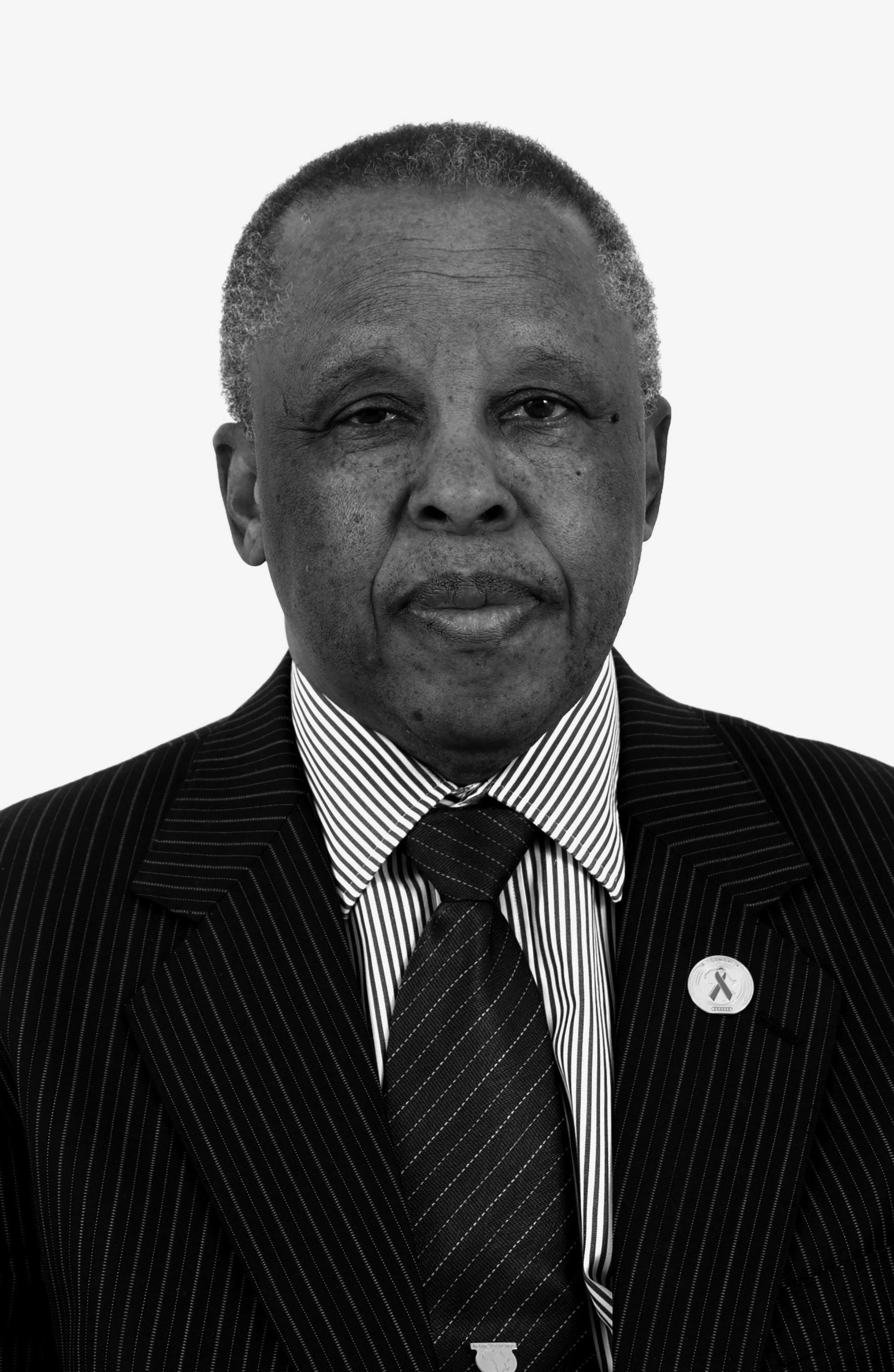
Then the third frame opened in 1998 with the arrival of Festus Gontebanye Mogae, who succeeded Masire as Botswana’s third President. Mogae inherited a country that had already achieved significant economic progress, but under his presidency came a challenge that would touch almost every part of society: HIV and AIDS.
Mogae placed the fight against the dreaded HIV and AIDS at the centre of his administration’s priorities.
Botswana expanded prevention, testing and treatment programmes and in 2002, became the first African country to provide free antiretroviral treatment to citizens living with HIV.
The response became more than a government programme. It became a national struggle involving families, communities and institutions.
Mogae also publicly tested for HIV, helping bring visibility to testing and the fight against stigma.
His presidency also brought important developments in Botswana’s diamond industry.
In 2006, his government reached an agreement with De Beers that established the Diamond Trading Company Botswana (DTCB) and helped move diamond sales and aggregation activities from London to Gaborone.
The agreement formed part of a broader effort to ensure Botswana captured greater value from its mineral resources.
By the time Mogae left office in 2008, Botswana’s challenges had evolved.
The country was no longer simply building a young state, it was confronting the complexities of sustaining development while protecting the well-being of its people.
Then came the fourth frame. Lieutenant General Dr Seretse Khama Ian Khama became Botswana’s fourth President in 2008, succeeding Mogae. His arrival brought an unusual historical connection to the presidency.
He was the son of Botswana’s founding President, Sir Seretse Khama, returning the Khama name to the presidency nearly three decades after his father’s death.
Yet Lt Gen Dr Khama’s presidency developed its own identity.
One of its most visible themes was environmental conservation. His administration placed considerable emphasis on wildlife protection, anti-poaching efforts and conservation, building on Botswana’s reputation as a major wildlife and eco-tourism destination.
His government also introduced and expanded programmes aimed at poverty reduction and citizen empowerment.
Initiatives such as the Poverty Eradication Programme, Youth Development Fund, ISPAAD and LIMID sought to provide opportunities and support to different sections of society.
For a country where the natural environment had become both an economic asset and a source of national pride, conservation became an important part of the fourth presidential frame.
After 10 years in office, Khama stepped down in 2018 and was succeeded by his Vice-President, Mokgweetsi Masisi.
The fifth frame began with Masisi’s inauguration in April 2018.
His presidency initially appeared to continue Botswana’s long tradition of political continuity, but his administration soon encountered circumstances that would define an important part of his tenure.
The arrival of COVID-19 transformed everyday life across the world, and Botswana was not spared.
Businesses were disrupted, schools closed and movement was restricted as the government introduced measures to contain the spread of the virus.
Botswana entered an 18-month State of Public Emergency from April 2020 to September 2021, making the pandemic one of the defining experiences of Masisi’s presidency.
Another significant development came in Botswana’s diamond partnership with De Beers.
His administration renegotiated the relationship, resulting in a new agreement that increased Botswana’s share of rough diamonds produced by Debswana.
The government also promoted greater development of diamond trading and beneficiation activities.
But the fifth frame ultimately became significant for another reason.
In the October 2024 general elections, Botswana experienced its first change of governing party since independence.
The moment represented more than an election result. After almost six decades under one governing party, political power changed hands through the ballot box.
And so, the sixth frame opened. On November 1, 2024, Advocate Duma Gideon Boko was sworn in as Botswana’s sixth President under the Umbrella for Democratic Change (UDC) ticket.
His arrival marked the beginning of a new political chapter and the country’s first change of governing party since independence.
For generations that had known only one governing party, the moment carried particular significance.
The faces at the inauguration told a story of continuity and change, former leaders sharing the national stage with a new President who had arrived through a historic electoral transition.
Boko inherited a country that had already travelled 58 years under one governing party and six decades since independence.
His administration entered office with priorities that included social welfare and greater opportunities for citizens.
One of the early measures associated with his administration was an increase in the old-age pension from P830 to P1400.
The change placed social protection among the visible priorities of the new government and the creative sector has also featured in the administration’s programme.
A P200 million fund was introduced for the creative industry, aimed at supporting artists, filmmakers and cultural entrepreneurs.
For a country whose identity is expressed through music, film, fashion, literature and the arts, the initiative brought renewed attention to the economic potential of creativity.
Unlike the five frames that came before it, this sixth frame remains unfinished.
Its story is still unfolding, carrying with it the hopes, ambitions and possibilities of Botswana’s next chapter.
Each leader represents a different chapter, but the bigger picture belongs to the people who have shaped Botswana through generations.
Yes, six presidents, six frames, six decades, one Botswana and a story still being written. ENDs


