

Lobatse: Historic Town and the Birth of Botswana
Source : Kutlwano
Author : Idah Basimane
Location : Gaborone
Event : Interview
The picturesque hills, greenery and small-town ambiance of Lobatse belie the impressive history of the place where the founders of the independent Republic of Botswana gathered to birth a new nation-state.
Situated 70 km south of Gaborone along Botswana’s southeastern Pioneer border with South Africa, Lobatse sits in a valley at a base elevation of approximately 1,200 meters above sea level, characterized by its distinct hilly topography.
It was here in 1963 that the Lobatse Constitutional Conference took place- a historic gathering that laid the legal and political groundwork for the 1965 self-governance of the Bechuanaland Protectorate and the later full independence of the Republic of Botswana in 1966.
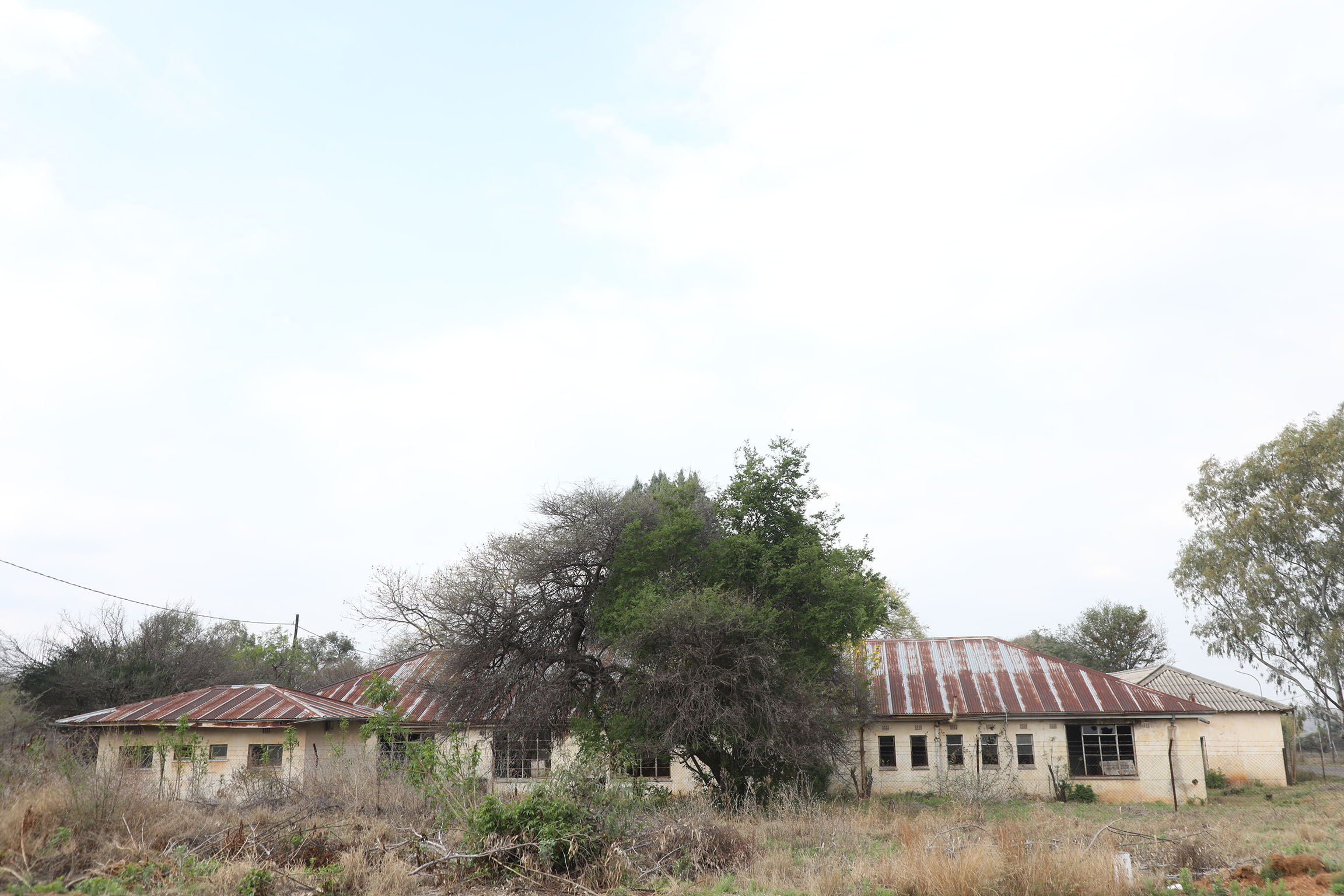
Located along a steep slope behind the Lobatse High Court are the historic buildings that hosted the Lobatse Constitutional Conference.
There, in 1963, gathered Sir Seretse Khama, Quett Ketumile Masire and Moutlakgola Nwako of the Botswana Democratic Party (BDP), Kgalemang Tumediso KT Motsete, Philip Matante and Thari Motlhagodi representing one Botswana People’s Party (BPP) faction, with Motsamai Mpho and two others representing the other BPP faction.
From Lobatse, they gathered in November with royal representatives Kgosi Bathoen II of Bangwaketse, Kgosi Mokgosi II of Balete and Kgosi Linchwe II of Bakgatla, as well as colonial authorities, they mapped out the democratic constitution that yielded the 1965 general elections.
The now derelict old buildings of the Legislative Council (LEGCO) that hosted those deliberations had previously played host to the African Advisory Council and the European Advisory Council prior to the 1960s establishment of LEGCO and the march to independence.
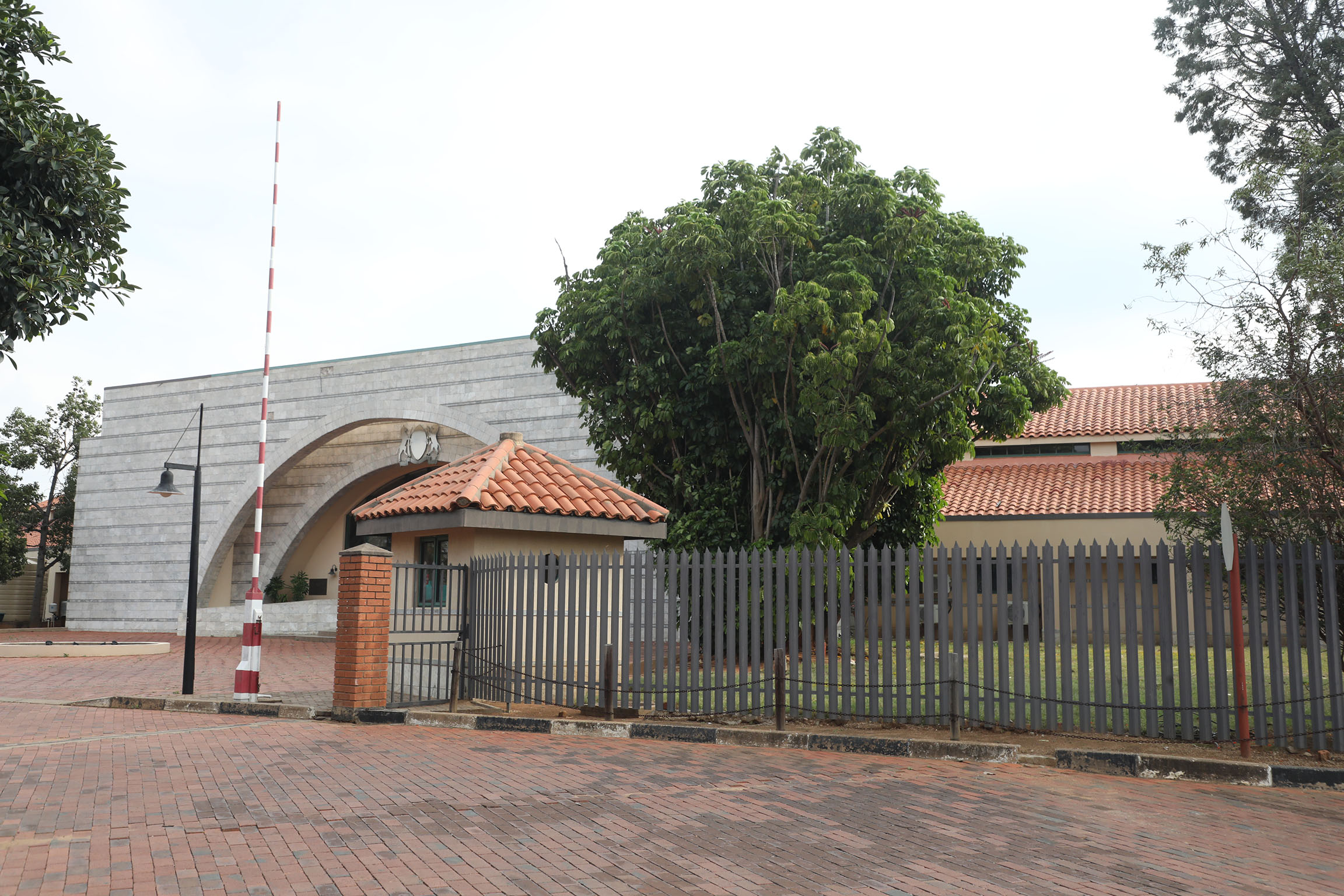
The old High Court building and the first Radio Botswana studio nearby, bear testament to Lobatse position as a town that pioneered the modern nation-state.
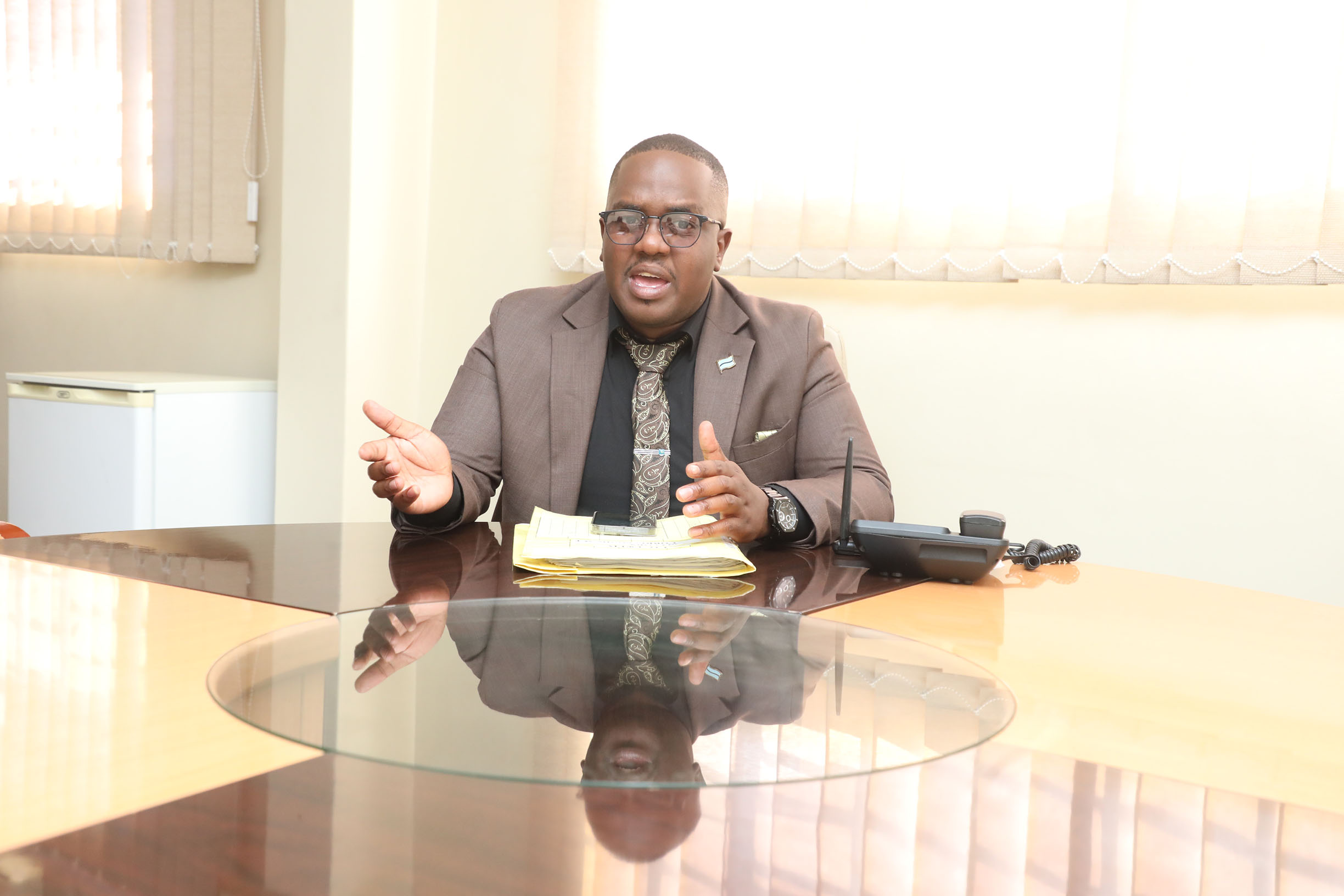
“Lobatse is where Botswana was born,” Lobatse Mayor Aron Ganakgomo tells us from his office at the town council.
He says it is a town of many firsts-the country’s first tarred road, first radio station, the High Court and before that the Legislative Council that produced the path to independence.
Although the old town and Peleng village were established around the time the British South Africa Company (BSAC) built the Mafikeng to Bulawayo railway in 1897, Lobatse remained a tiny town until after independence.
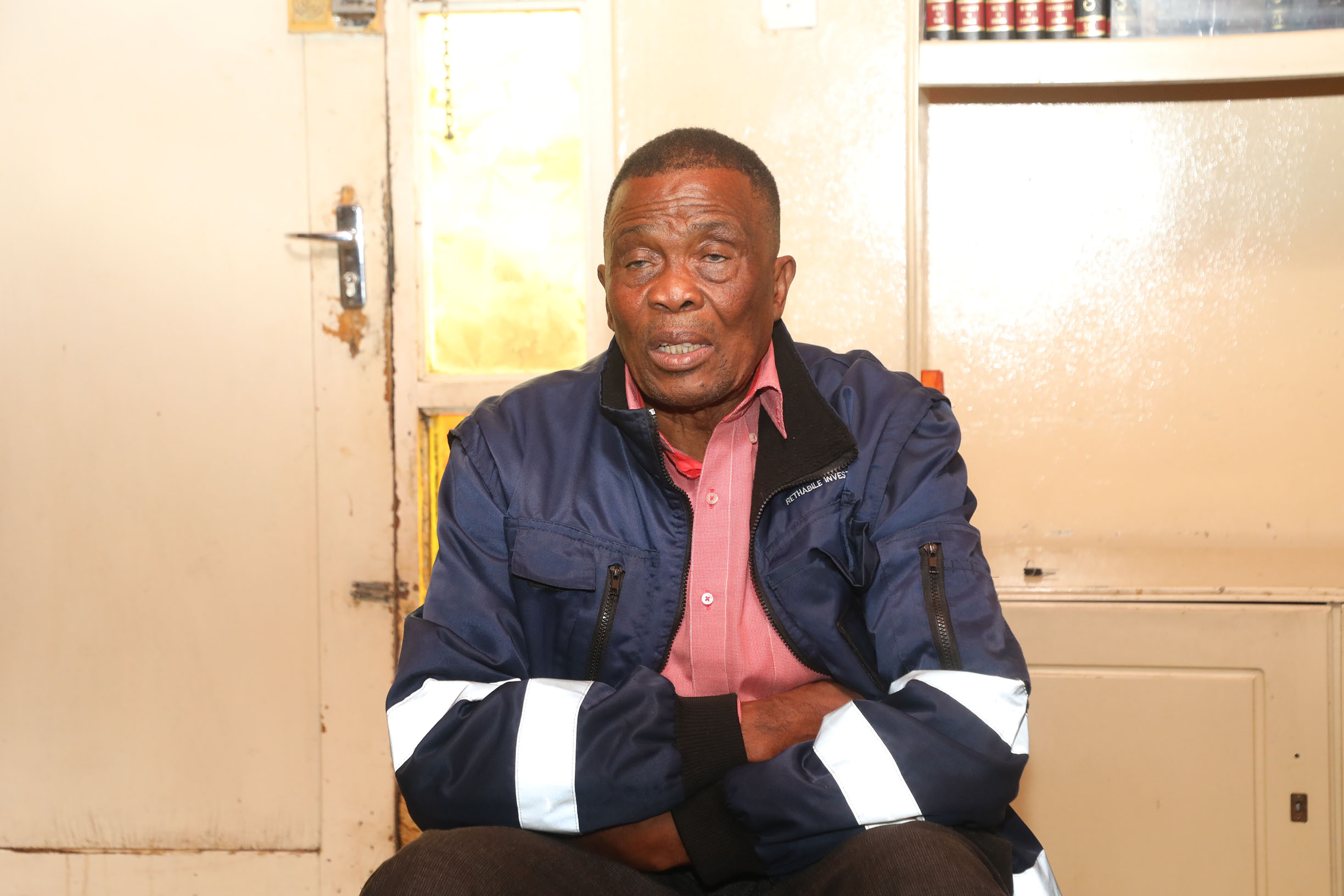
Town elder, Molaodi Mantle, who is a retired politician who once served for two decades as a councillor for Woodhall ward, says Lobatse has registered steady growth over the past six decades.
“I first lived in Lobatse in 1965, before relocating to Francistown, then permanently settling here in 1972. Lobatse was a major train station, Peleng was the main location, Woodhall came into being in the mid-1970s, Boswelatlou, Thema, Pitikwe and other areas like Newlook, Tsopeng came later,” Mantle says.
He said the town was laid back at first, but a ‘Tsotsi’ culture of petty criminals thereafter developed with common theft and some friction between young residents, particularly of Peleng and others causing disturbances at entertainment spots.
But, he insists Lobatse remained a vibrant little town. Maletamotse founded at 1960 initially hosting their games at Masenkeng Ground, Extension Gunners founded in 1962, based at Peleng, PUBS and Lobatse Stars became the early football clubs.
Maletamotse, who initially boasted stars such as Horatio “Chippa” Mahloane and Pro Mohohlo before their move to Gaborone United, were initially the biggest side in town and Mantle served as the team manager.
Extension Gunners emerged from Peleng, to qualify for top flight football and become a club symbolic of the soul of Lobatse, boasting stars such as Odirile “OD” Sengwaketse, Bushy “States” Hirschfeld followed by the generation of Joshua “Jojo” Mogotsi, Nephtally “Scara” Kebalepile and others.
“Initially, we had two major entertainment spots, Lobatse Hotel and the Lord Cumberland Hotel, where live bands from South Africa would come and perform as well as Nosey Road founded by the Sbrana siblings.
“We had people being employed at places like the Botswana Meat Commission (BMC) meat processing plant, cannery and tannery. Choppies started out at a store at Peleng, ko ga Mma Sabera and grew phenomenally to become a national and regional retail giant,” he says.
Indian traders, largely of the Muslim faith, settled on the western side of the Lobatse railway line during the first half of the 20th century, and by the end of the Cold War in the 1940s, multiple Indian-owned general trading stores operated in the town.
Among the prominent Indian figures included Abdul Rahim Chand (1916–1985), a local shop owner and political leader who represented the Asian community in the Legislative Council (LEGCO) during the 1960s.
“Given our town’s prominent position in the history in the country, we are not pleased where we are compared to Gaborone, Francistown, or even major villages such as Molepolole, Kanye, Serowe, Mahalapye or Palapye. If you were to resurrect someone who passed on two decades ago, they would not get lost in Lobatse, because our town is not growing,” Mayor Ganakgomo laments.
“We have earmarked our town for cultural tourism and we have marked critical spots such as the Samora Machel Museum, the Fish Keitseng-Nelson Mandela house and our other heritage sites where tourists can come and appreciate our town,” the mayor said.
Ongoing work to refurbish the town’s water supply infrastructure through the Lobatse Water Treatment Plant is likely to boost industrial development in addition to securing domestic supply.
“Yes, water supply could aid industrial development. In addition to industries such as the BMC and Lobatse Clay Works, we have a tannery that is reaching completion and with the BMC fully operational, ox hides would be provided for tanning. There is also a consignment of cows that were brought in for the Milk Valley Farm, which will boost its production levels,” Mayor Ganakgomo says.
Lobatse has been positioned by the Special Economic Zones Agency (SEZA) as a ‘Meat and Leather City’ invested with animal feed, agro-processing, biotechnology, dairy processing, textile industry and ceramic products, listed as investment areas.
Notwithstanding its sluggish growth, Lobatse continues to have its history intertwined with that of the nation’s foundation, Southern African liberation legacy, and the town continues to offer a tranquil picturesque landscape to behold. ENDS


