

THREADS OF IDENTITY: The revival of traditional fashion
Source : Kutlwano
Author : Tankiso Mogapi
Location : Gaborone
Event : Interview
For generations, traditional clothing has been more than a fabric in the lives of Batswana. It has told stories, preserved history and reflected the values of communities across Botswana.
From weddings, Dikgafela and cultural ceremonies to national celebrations, traditional attire has always expressed who the people are and where they come from.
But as global fashion trends took over in malls, social media and everyday life, many traditional garments became less common and the preserve for elders, ceremonies and special events.
Young people often saw traditional clothing as old-fashioned instead of stylish.
However, that view is changing now and a quiet cultural revival is underway. More and more Batswana are returning to traditional clothing, not for special occasions only, but as part of everyday style.
Designers, young fashion enthusiasts and cultural advocates are reworking heritage pieces into modern, wearable fashion that connects the past with the present. This movement is about more than trends, but protecting cultural identity, reminding future generations why their heritage matters, as well as choosing to look forward without forgetting where they started as a nation.
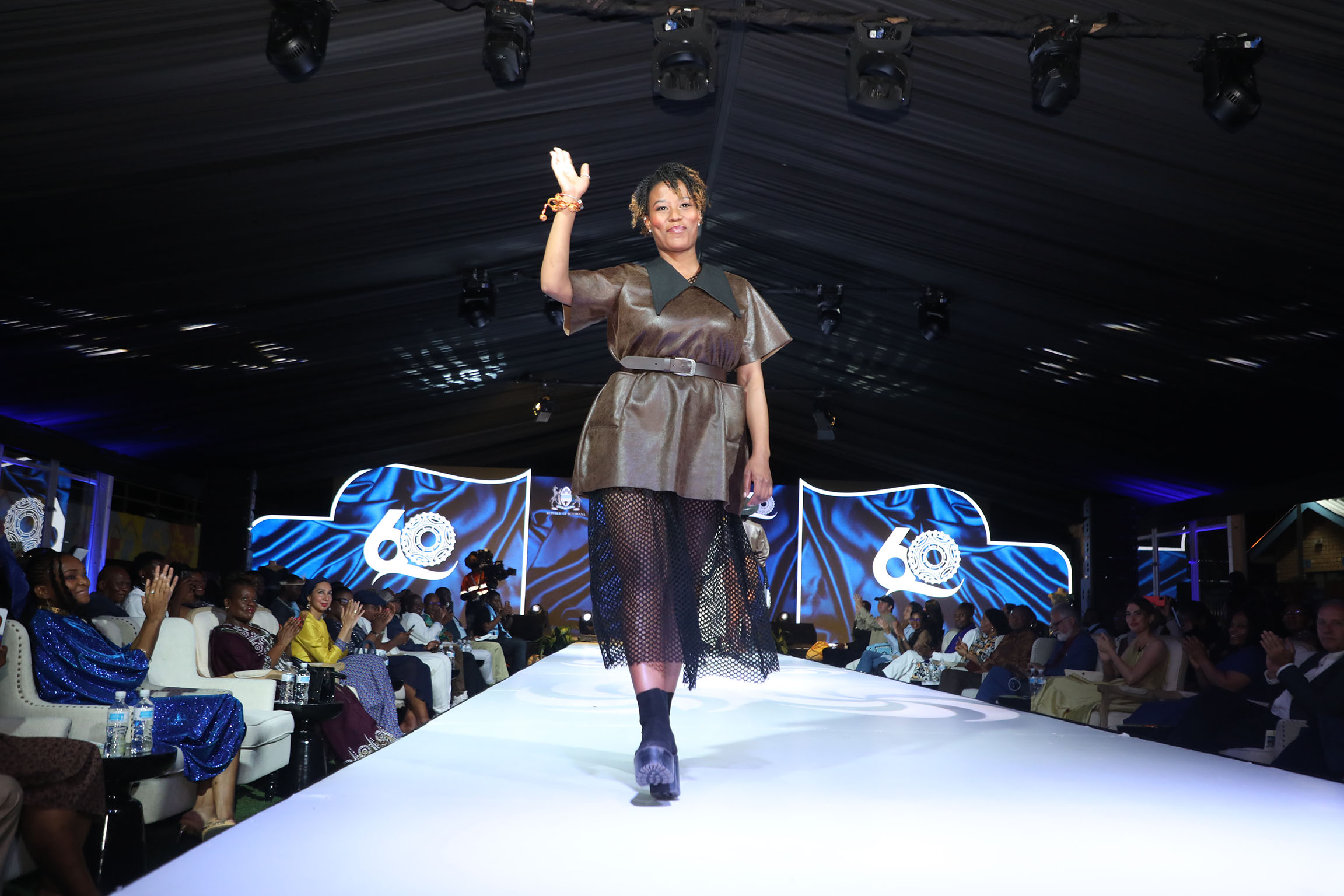
One of the individuals at the centre of this revival is Trudy Bakwena, Founder and Creative Director of local fashion house Tru’D, which was established in 2019.
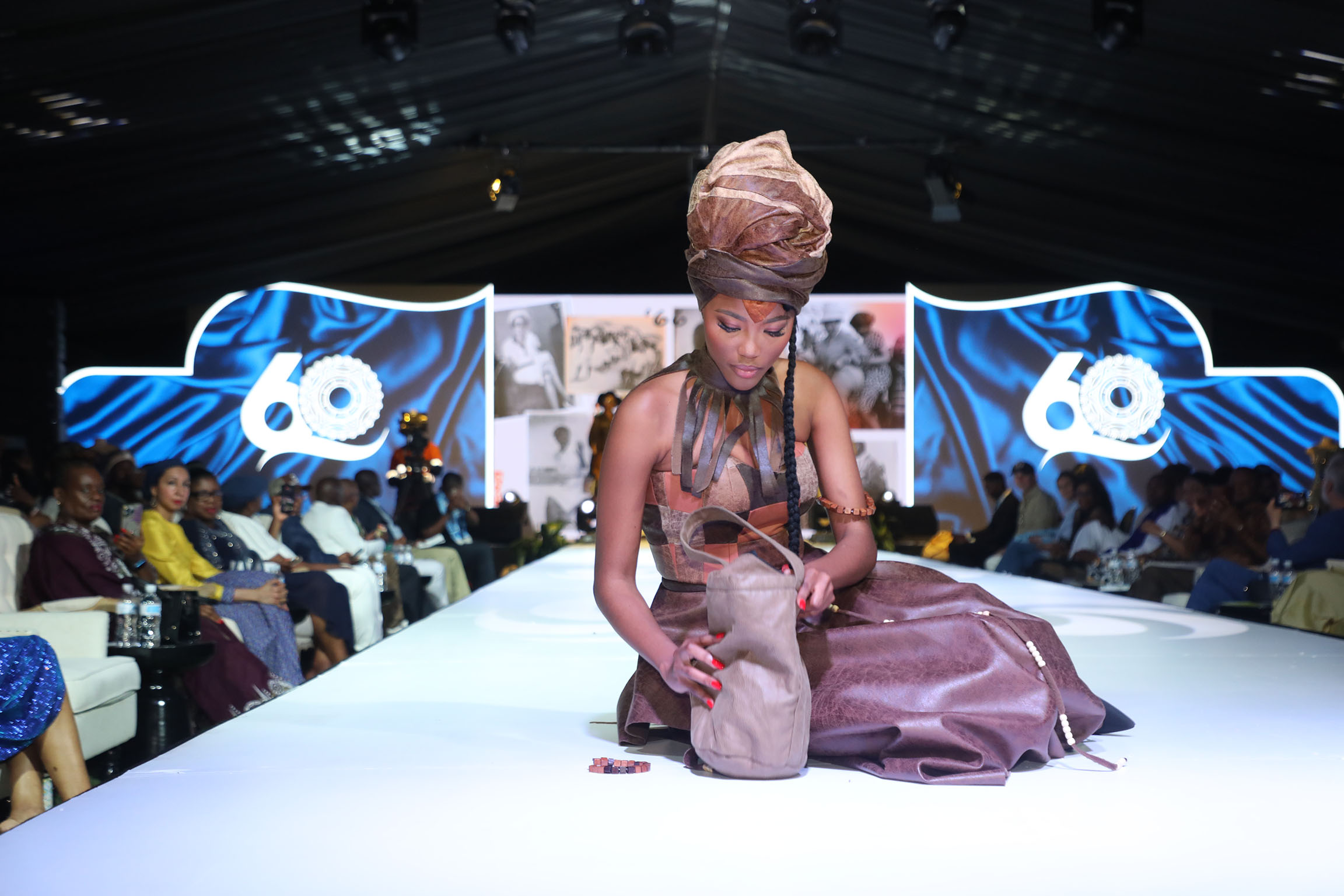
Tru’D, whose work is deeply inspired by Botswana’s heritage, particularly the significance of leather, views fashion as a medium for storytelling, cultural preservation and self-expression.
“Traditional clothing tells us where we come from, while modern clothes allow us to express who we are today. Before imported fabrics became part of our everyday lives, leather was our forefathers’ first fabric. It clothed us, protected us and carried deep cultural meaning. It was survival, identity and art all in one,” she explains.
Growing up, she realized that even though leather has always been part of Batswana identity, it is often overlooked in modern fashion.
Using her creativity, she is now focusing on transforming that tradition into contemporary statements that feel both familiar and new.
“My role as a designer is to bridge those two worlds. I combine traditional materials like leather with contemporary tailoring, linen and modern silhouettes to create garments that respect our heritage while fitting into today’s lifestyle,” she explains.
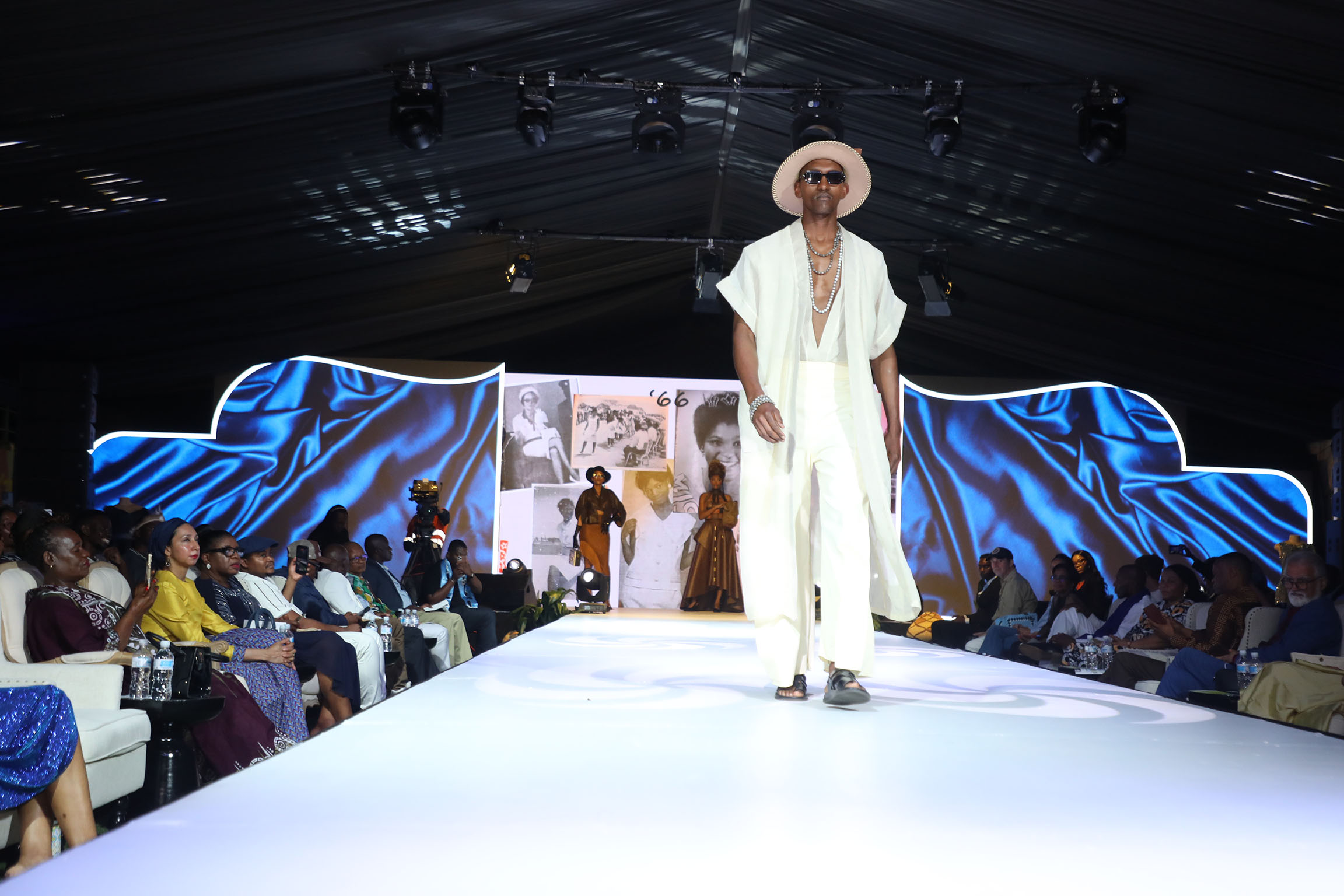
That bridging is visible in her collections. It is now common to see traditional patterns, motifs and craftsmanship in dresses, jackets, shirts, skirts and accessories.
Tru’D proves that cultural clothing can compete on the international stages without losing its uniqueness. The clothes don’t ask you to choose between being modern and being Motswana. They let you be both. For years, many young people associated traditional wear with obligation. You wore it to a wedding, traditional ceremonies, or a cultural competition, then went back to jeans and sneakers. That perception is changing fast.
“This generation appreciates authenticity, but they also want fashion that fits their lifestyle. They want to feel confident going to work, to brunch, or to an event. Instead of recreating garments exactly as they were, I reinterpret them through modern cuts, clean tailoring and versatile styling,” Tru’D says.
The result is pieces that work on a Tuesday, not just on a Saturday ceremony. A leather-accented blazer over jeans, a dress with traditional beadwork details but a minimalist cut. A shirt with heritage prints that pairs with chinos.
Young Batswana are now proudly wearing heritage-inspired pieces because they see them as stylish, unique and personal. It is a way to celebrate identity every day.
Tru’D’ goal is simple: for young people to wear their roots with confidence. Beyond leather, she draws inspiration from Botswana’s earthy landscapes, beadwork, natural textures and the national appreciation for simplicity and elegance. She explains that every time working with leather, she feels like she is continuing a story that began generations ago.
“This generation appreciate authenticity, but they also want fashion that fits their lifestyle. Instead of recreating traditional garments exactly as they were, I reinterpret them through modern cuts, clean tailoring and versatile styling,” she says.
No revival happens alone. Elders have played a key role in keeping these traditions alive by passing down knowledge about clothing, craftsmanship and cultural practices.
Grandmothers who still know how to work leather. Uncles who remember what each pattern meant. That knowledge is the foundation designers like Tru’D build on.
As demand grows, small businesses are growing with it. It is creating jobs and keeping skills alive. Social media has amplified the shift. Instagram, Facebook and TikTok have helped designers reach young Batswana directly and change perceptions about what cultural clothing can be. A 20-second reel of a model walking in a modernized Setswana dress can do more than a billboard.
“I use fashion shows, social media, collaborations and ready-to-wear collections to demonstrate that cultural fashion can be stylish, wearable and relevant,” Tru’D says.
She says the message is landing. Customers are no longer asking, “Is this traditional?” They are asking, “Can I wear this to work? To a date? To travel?”
Despite growing interest, many local designers still face real obstacles. Scaling a fashion business in Botswana is not easy.
“Designers face challenges such as limited access to funding, manufacturing resources, quality materials and international markets. It is hard to produce at scale when you are doing everything yourself. It is hard to export when logistics and costs are high,” she explains.
She also says consumers need to also understand why locally made, heritage-inspired pieces may cost more than fast fashion.
The value is in the craftsmanship, the story and the sustainability. However, she believes Botswana’s fashion industry has incredible potential. As more people support local designers and recognize the value of cultural heritage, the industry will continue to grow.
She dreams to see “Made in Botswana” on runways in Johannesburg, Lagos, Paris, and New York, not as an exotic category, but as fashion, period.
As more people embrace cultural clothing, Botswana’s fashion industry has an opportunity to expand and introduce local designs to a wider audience.
The future depends on everyone, designers, elders, young people and communities supporting and valuing local garments.
Tru’D wants people to realize that their heritage is one their greatest strengths, noting that they don’t have to abandon their culture to be modern, but can celebrate it, reinvent it and wear proudly. ENDS


