

Contemporary Music In Botswana- A Lot Built From Naught
Source : Kutlwano
Author : Pako Lebanna
Location : Gaborone
Event : Interview
Where words fail, music speaks.” Prolific Danish writer Hans Christian Andersen once wrote, eulogising the harmonic arrangement of sound to create rhythm and melody, designated by anthropologists to be a ‘cultural universal,’ that is, a trait common to all human cultures.
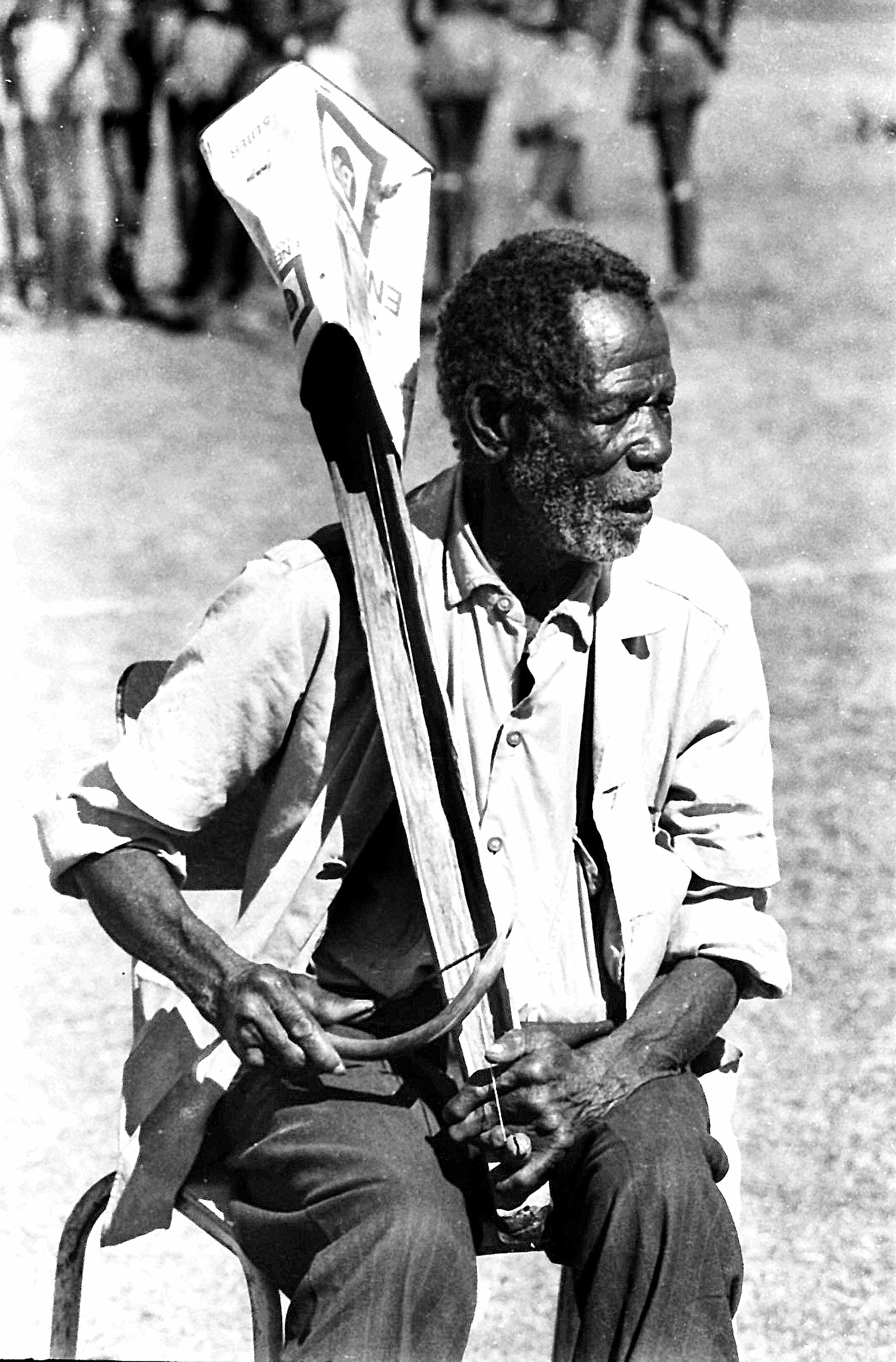
In Botswana, traditional musical styles such as Borankana with its Phathisi and Setapa dance styles, male regiment Dikoma, and Khoi-San spiritual rhythmic form Tsutsube, have been handed down over generations and are strongly connected to the nation’s culture.
“Around the time of independence, what we had were those traditional musical styles, as well as the folk music of the likes of Ratsie Setlhako,” legendary Kanye born singer, songwriter and guitarist Banjo Mosele tell Kutlwano Magazine in a wide ranging interview. In the immediate aftermath of independence, modern music started to emerge with trumpeter-saxophonist, also a professional accountant Gale Letsale forming the band The Scarers in 1968.
The group featured Letsatle with other instrumentalists Jake Sibiya, Prince Qobo, Tholo Molefhe and Box Moncho, with Radio Botswana’s pioneering female radio presenter Nonnie Pilane on vocals.
They released Botswana’s first recording in 1974, the single Swabisa Satan recorded in the then Rhodesia (Zimbabwe) with a cover of Hugh Masekela Jumbo appearing on the B-side of the vinyl recording.
“In Mahalapye, a band called The Breakers was formed in the early 1970s and another band in Francistown featured Dennis Alexander, who later became a leading music promoter,” Mosele recalls.
Michael “Malombo” Mmereki became a key figure in early Botswana contemporary music.
Initially a keyboard player and vocalist with The Breakers, Malombo was mentored by Gale Letsatle at The Scarers and used their equipment to form another band, Imagine.
Between 1981 and 2004, Malombo became the lead vocalist of the BDF Band, working alongside the likes of Tsilo Baitsile, Lekofi Sejeso and Alexander “Socca” Moruakgomo before going solo.
“In the 1970s, another band that appeared was Mother, which featured guitarist and vocalist Whyte Kgopo. He was a skilled guitarist who used to perform George Benson jazz covers and he became my mentor,” Mosele says.
After Mother, Mosele, Lekofi Sejeso and Ofentse Moagi formed the Incrowds, a band that recorded music at the Nosey Road studios in Lobatse. The studio was the base of Botswana’s first rock group, Nosey Road Band, established by the Sbrana siblings Ivo, Delia and Renato alongside drummer Joe Mothum. During Botswana’s 10th anniversary of independence, South African jazz musician, Jonas Gwangwa, who had been exiled to the United States of America since 1961, came to perform in Gaborone.
He reunited with his mother Sophie Gwangwa and childhood sweetheart Violet Molebatsi (later Gwangwa) who had travelled to Gaborone from Orlando East, Soweto in South Africa.
After the emotional reunion, Gwangwa decided to marry Violet and relocate to Gaborone and founded the band Shakawe, featuring Serowe-born guitarist Bonjo Keipedile, other local musicians Kgopo, Rampholo Molefhe, Gabriel Selato and Tsholofelo Giddie as well as South African exiles Dennis Mpale and Steve Dyer.
In his popular tune, Batsumi, Gwangwa adapted lyrics from legendary Tswana folk guitarist George Swabi Bagammangwato, the chorus, “Batsumi bale tsomelang metlhabeng, le seke la bolaya bommatsale, ba basetlha ba tshwana le dikgokong” reworking Swabi’s lyrics.
“Hugh Masekela then followed Gwangwa to Botswana. He met our band jamming at Mogo Hotel in Mogoditshane and was impressed by the talent at our disposal. We formed the Kalahari band, featuring myself, Aubrey Woki and Mopati “Bully” Tsienyane. Upon his return from Malawi, John Selolwane joined us,” Mosele says.
Masekela imported studio equipment from Los Angeles, USA to establish the Battery Mobile Studio at Woodpecker in the outskirts of Gaborone and also established the Botswana International School of Music (BISM) in the early 1980s.
“Most of us were self-taught musicians and Hugh really helped us, teaching us more professional means of approaching our music, instrumentation, composition and arrangement. Hugh personally sent me to study music at Goldsmiths College in London, United Kingdom. While studying there, I got to tour Europe with Lesotho band Sankomota, invited by their front man Tsepo Tshola, who had worked with Kalahari, and Sankomota founder Frank Leepa,” Mosele recalls.
With Masekela, Kalahari band recorded three albums Technobush (1984) and Waiting for the Rain (1985) at Woodpecker in Gaborone, and Tomorrow (1987) in London.
Marketed and distributed worldwide by Jive Records, songs such as Motlalepula and Take Me Back to Gaborone reached a global audience.
“We had a three year tour of the USA and Europe. This exposed Kalahari band members to the global music industry. John Selolwane got to tour with American music legend Paul Simon and I got to play guitar for British legend Peter Gabriel during the Mandela Concert in London. Alexander “Socca” Moruakgomo left the BDF Band and ended up being part of the Sarafina soundtrack recording produced by Mbongeni Ngema and Hugh Masekela,” Mosele reveals.
Back home, Duncan Senyatso (vocals and lead guitar) founded the band Kgwanyape with his brother Caxton Senyatso (bass), Clement Jackson (guitar) and Makhwengwe Mengwe (drummer).
They recorded domestic music’s first full album Mephato Ya Maloba through South Africa’s Shifty Records in 1986.
Lekofi Sejeso (keyboards, drums, principal composer), Jeff Malaba (vocals), Gino Maposa (bass and vocals), Livingstone “Dollar” Paledi (bass) and Ronnie Mokgolodi (drums) were organized into Afro Sunshine, a band managed by Dennis Alexander.
Joined by Zambian musos Chris Mbewe (lead guitar and vocals) and Alex Kunda (percussion), Afro Sunshine recorded the album This is Afrika, featuring the hits Tote, Rebalebile and MaBasket.
The Malombo Mmereki led BDF Dance Band also released Banyana Ba Gaborone album in 1987, while Nosey Road Band came up with the albums Freeway and Beyond Your Imagination, the hit singles being Bafana and Young and Free. Meanwhile, Phempheretlhe Pheto and Mmereki Marakakgoro pioneered local recorded gospel music.
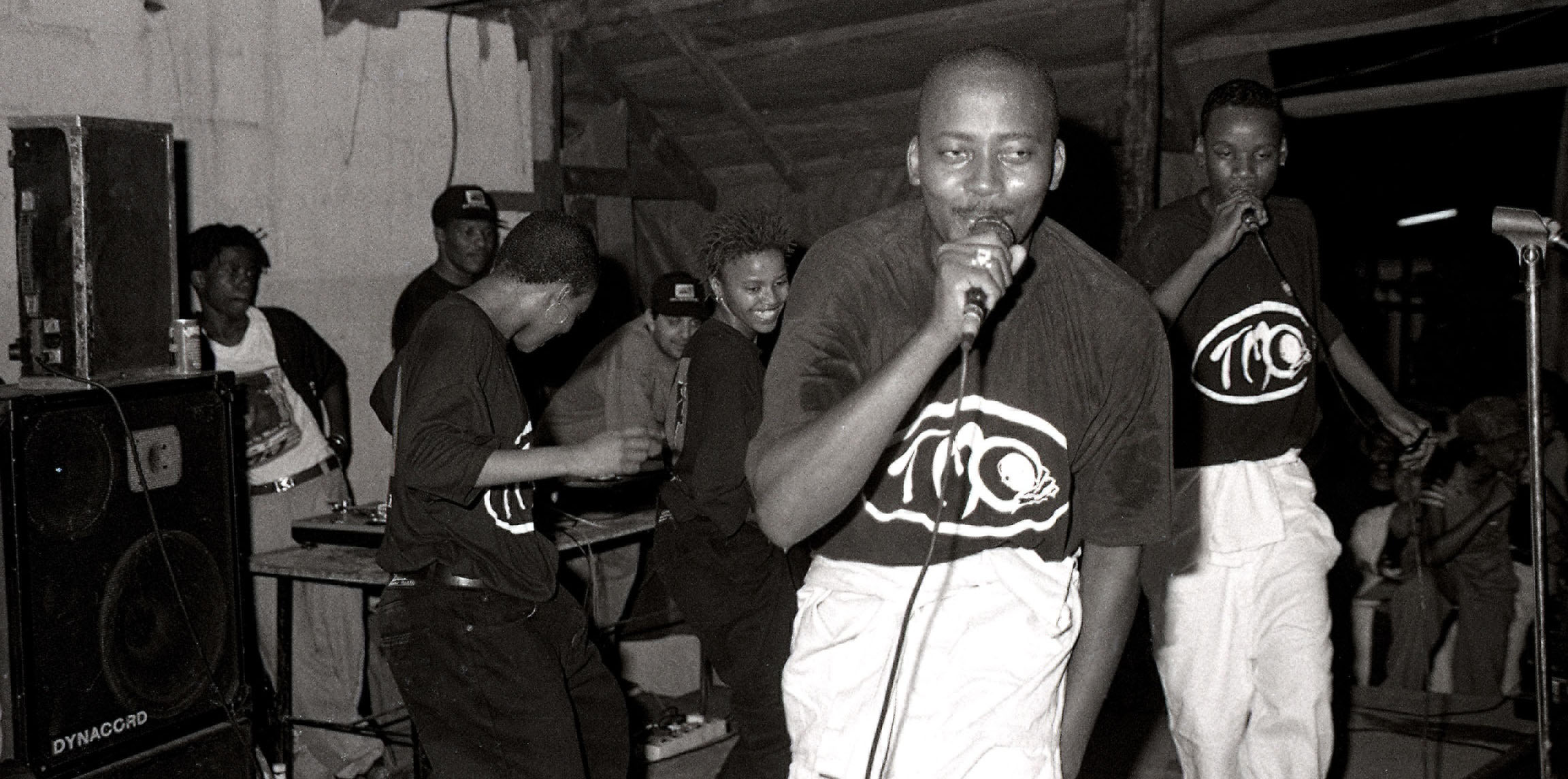
The 1990s led to more artistes coming through. David “DJ Ski” Molosi and Solomon “Solo B” Monyame founded the country’s first Kwaito group, Tribal Monks, with Molosi developing the beats and compositions, South Africa’s Don Laka working on the final production.
Molosi then went solo at the Don Laka and Oscar “Oskido” Mdlongwa founded Kalawa-Jazmee Records using the stage name Skizo.
Presley “Prez Beats” Metshe, Modise Moletsane and Mokhabi Moeletsi formed the hip-hop trio 3rd Mind who released their debut album in 1996.
“There was a wave of rhumba music coming through with artists such as Les Afrika Sounds, Nata Capricorn followed by the solo careers of Alfred Mos and Franco, thereafter younger ones like Vee who fused other elements into rhumba,” Mosele says.
The 2000s saw an explosion in recorded Botswana music. Mosele credits Eric “Ramco” Ramogobya for establishing Ramco Records, and a recording studio as well as a distribution network including the compact disc (CD) selling place, Ko Setlhareng.com at the Gaborone Main Mall.
“Ramco helped contemporary Borankana develop and grow through groups such as Machesa and Matsieng, adding modern instruments to our traditional music,” Mosele says. The Kora award winning Machesa, and Matsieng, whose genre defining albums Semakaleng and Setswana Sa Borre spawned hits such as Tinto and Bolela paved way for the later success of other contemporary Borankana groups including Culture Spears, who penetrated the South African market and Shumba Ratshega, whose Makhirikhiri album became a hit in East Africa.
Ramco Records backed by quality production from Prez Beats and Gofaone “Goof” Mapitse also became home to hip-hop stars Scar, Kast, Mosako and the early albums of House-Kwasa pioneers Vee and Eskimos.
Mosele also credits Uganda born producer, Robert Dargie, who set up the Dargie Digital Studio recorded the likes of Franco and Afro Musica, Maxy Khoisan, Ndingo Johwa and Unik Attractions.
The 2000s also saw the evolution of the jazz scene with artistes such as Punah Gabasiane, Shanti Lo, Nnunu Ramogotsi, Nono Siile, Kearoma Rantao as well as Lister Boleseng.
Local hip-hop, including Setswana Rap or Motswako as a sub-genre developed superstar names in ATI, Sasa Klaas and Dramaboi in the 2010s, all the three unfortunately dying in their youth. The groundwork for local hip hop/Motswako had been done first by 3rd Mind and Sydney “DJ Syd” Baitsile’s P Side collective in the 1990s, and in the 2000s the likes of Scar, Mr Doe, Apollo Diablo, Orakle, Zeus, Nomadic also known as Mr T, and Dice Tirodimaswe. International music channels such as Channel O and Trace gave Botswana artists such as Mpho Sebina and Samantha Mogwe the platform to grow their audience to the continent.
While music has become more digitally advanced and less reliant on individual talent, groups such as Sereetsi and the Natives have kept alive the old band instrumental tradition of the early Botswana music pioneers.
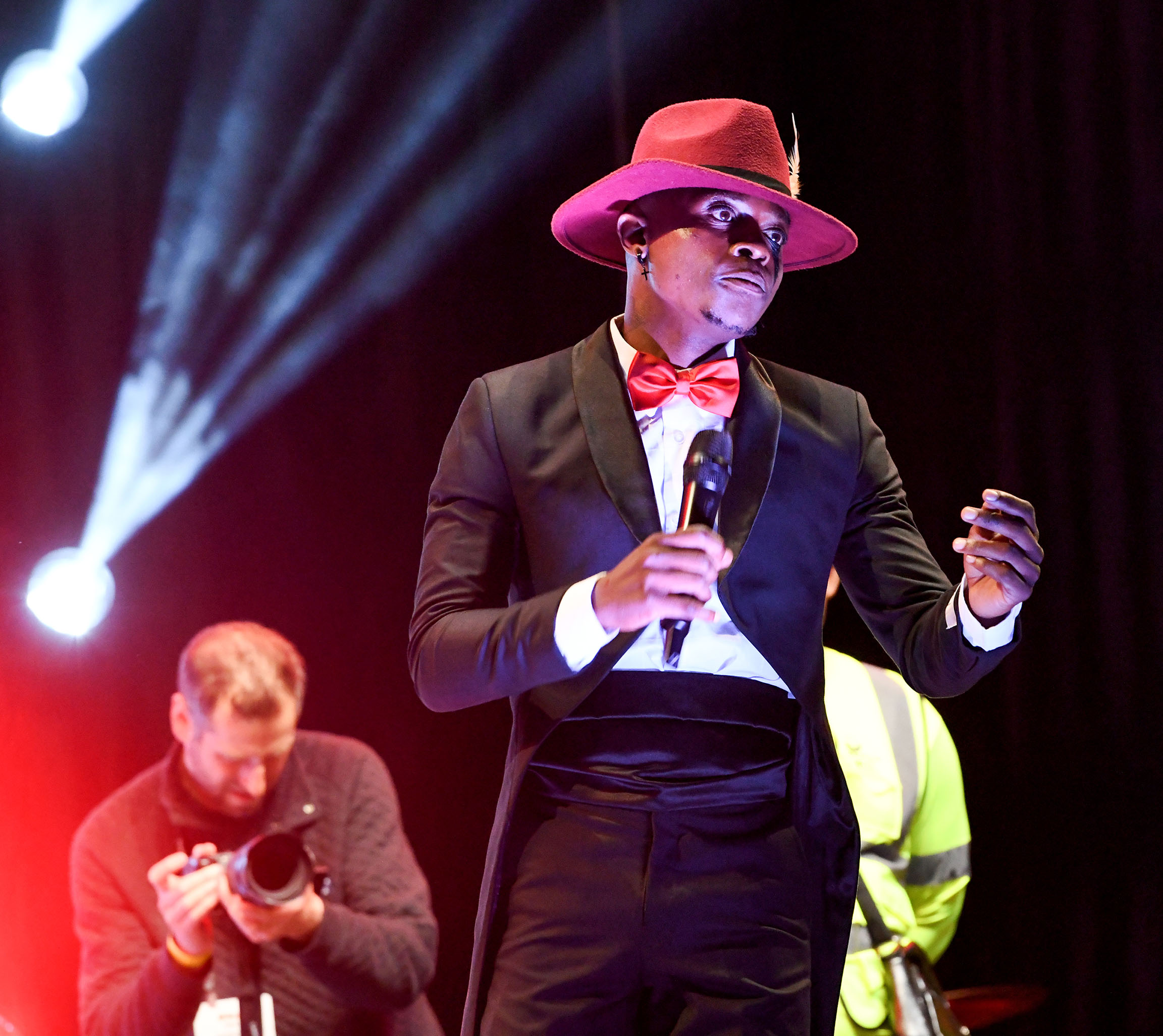
In the 2020s, artists such as Ezra Neethings and Han C have displayed superstar potential while keeping alive the usage of the Setswana language in music.
While Botswana still searches for her first international pop star to dominate the global charts and win a Grammy, in terms of popular music, the first six decades of independence have seen a lot grow from naught. ENDS


