

Dithubaruba Blessed With Rain
Source : Kutlwano
Author : Pako Lebanna
Location : Gaborone
Event : Interview
For generations of Batswana, who have lived on the parched lands on the margins of the semi-arid Kalahari, termed Kgalagadi, “the mother of dry places” or “great thirst land” in the original Setswana, the chant “Pula!” means more than just the literal translation, “rain.”
It speaks of a salient prayer for the blessings of water to come upon a society of communal farmers and pastoralists used to long dry seasons that would harden the earth and leave the people to look skyward in quiet anticipation.
For Batswana, rain is relief, a life-affirming omen and a sign of the heavens’ approval for any occasion; be it birth, a wedding, a celebration, even a burial sendoff.
The 18th Dithubaruba Cultural Festival held on day that ended with showers of rain at the Ntsweng Heritage Hub in Molepolole, could be viewed in that regard.
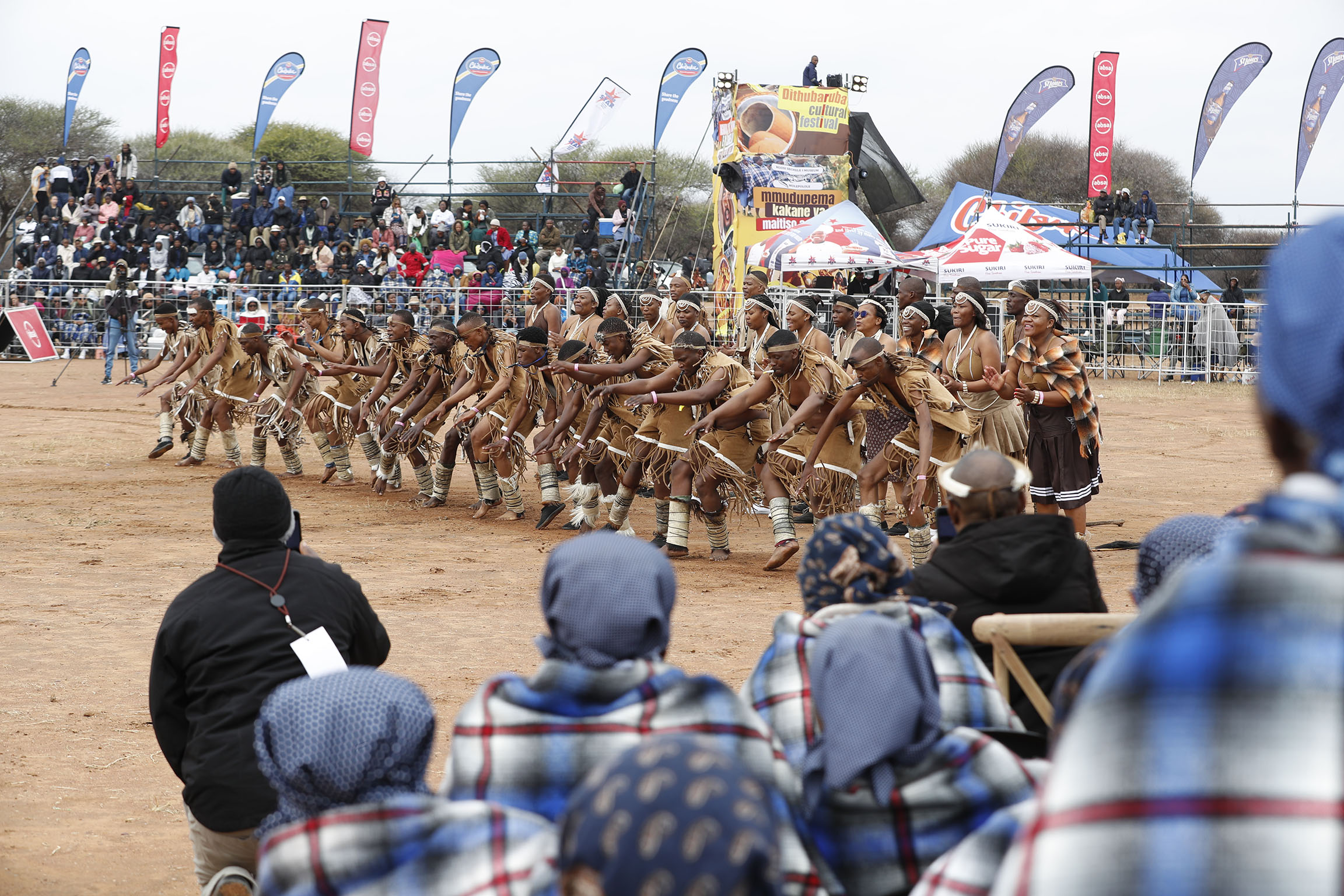
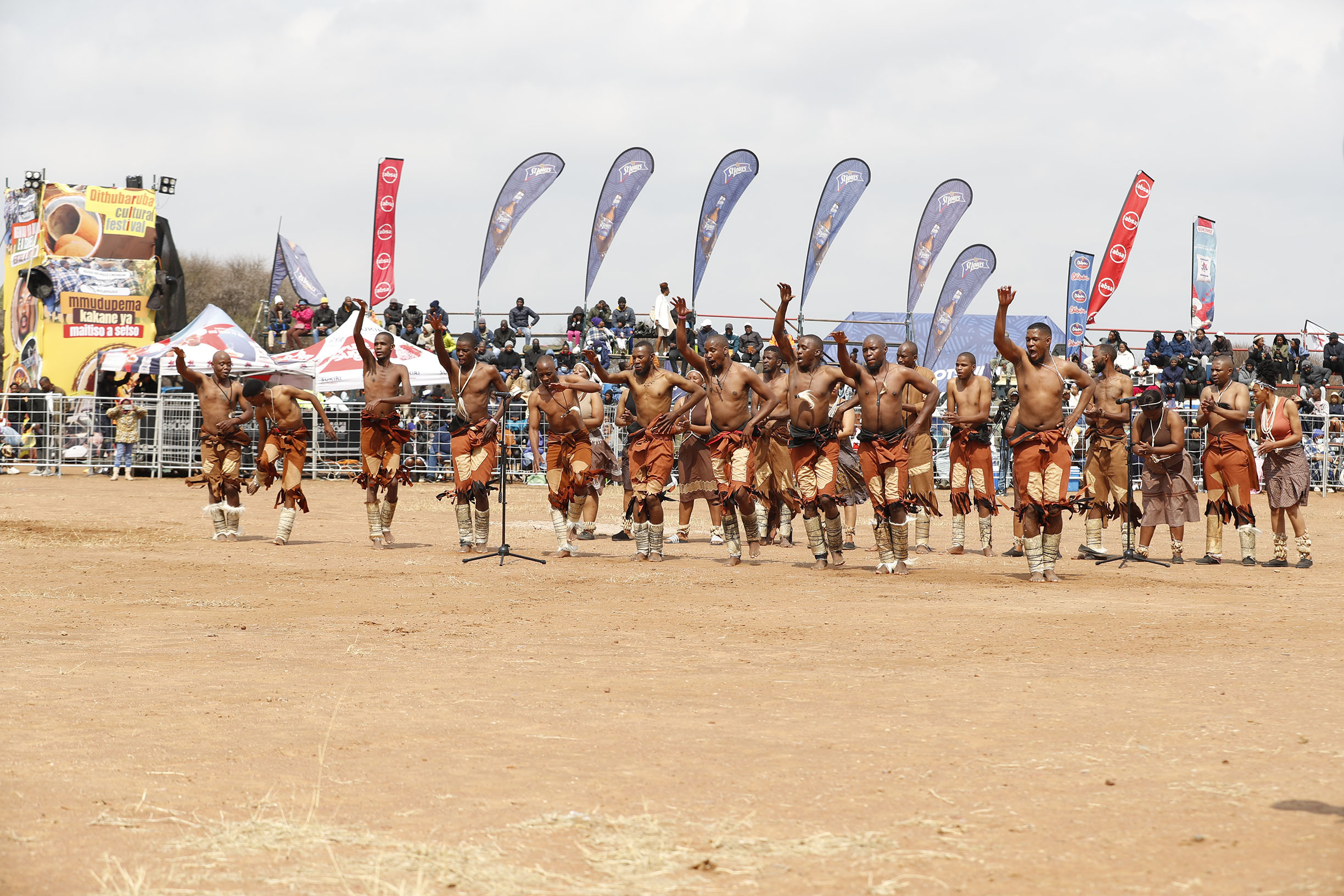
As the different traditional dance troupes and Dikhwaere choir groups enthralled cultural enthusiasts in the evening, rain poured over Ntsweng, or Ga Mma Kgosi as it is known in the Kweneng District capital.
Drenched in the evening rain, the cultural merrymakers danced along to Borankana, a music and dance style deeply connected to the Bakwena people, swaying with the rhythmic Phathisi and Setapa dance moves.
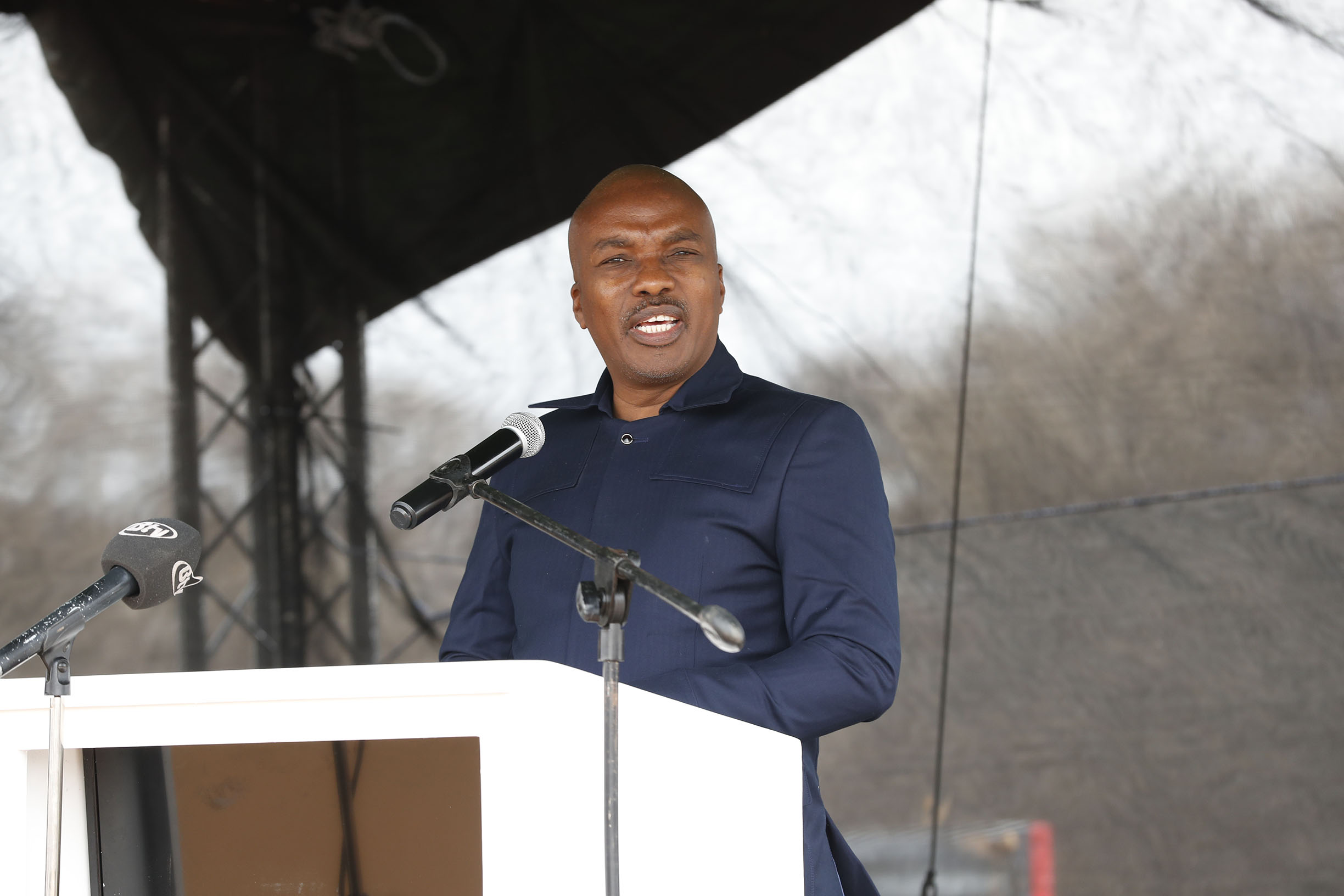
“We are here to celebrate the legacy of our great ruler, Kgosi Sechele I,” the Paramount Chief of the Bakwena, Kgosi Kgari III told the gathering earlier.
He said Kgosi Sechele I united the different Batswana tribes and led them in defeating the Boers of the Transvaal to defend their sovereignty.
“As we celebrate 60 years as an independent state, we need to pay homage to such a past.” He said.
Sechele-a-Motswasele (1812-1892) who reigned amongst the Bakwena under the regnal name Kgosi Sechele I, is considered by historians as one of the most remarkable Batswana leaders who laid the foundation for a future independent Botswana.
Other than his close association with the famed British missionary David Livingstone, Kgosi Sechele I is famed for leading regiments of Batswana tribes in defeating the Boers at the Battle of Dimawe in 1852 and also for giving refuge to the Bakgatla ba ga Kgafela, Bakgatla ba ga Mmanaana, Batlokwa, Balete and Bahurutshe, settling them in Bechuanaland in the 1800s after they had fled turmoil in the Transvaal.
“Although we live in a difficult period of tough economic circumstances and challenges, we continue to celebrate Dithubaruba, as a cultural festival that maintains and promotes our heritage,” Kgosi Kgari III said.
Held under the theme, “Unlocking Heritage, Transforming Our Integrity,” the annual festival brought to the fore the rich cultural heritage of Bakwena to life through traditions, music, dance and storytelling.
“Ntsweng is a place of memory, resilience and renewal. Today, it stands as a symbol of what is possible when heritage development is prioritized. The transformation of Ntsweng into a permanent cultural precinct is a milestone for Botswana.” Minister of Sport and Arts, Jacob Kelebeng said.
He expressed the optimism that once fully equipped, Ntsweng Heritage Hub, which includes the new facilities of the Kgosi Sechele I Museum, would be a prime example of how cultural and creative spaces could stimulate jobs, boost the small enterprise value chain as well as cultivate learning on history.
Dithubaruba saw mostly performers from across the Kweneng District present traditional music styles, poetry, drama and dance.
Communities from the different wards of Molepolole presented Dikgafela, a Setswana tradition of thanksgiving for harvest, with ladies wearing leteisi print dresses, shawls and head wraps lining up, singing songs while carrying pots of traditional beer on their heads.
Bakwena are a Sotho-Tswana clan that evolved over the past millennium during the Bantu Migration trek towards Southern Africa and would be among the groups that would birth the modern nations of Botswana, Lesotho and South Africa.
Oral traditions of the Sotho-Tswana groups as well as archaeologist findings by university academics confirm the historic Kweneng Ruins (south of modern Johannesburg) as a capital of the settlements of the Bakwena who spread between the Vaal River and the Kalahari from around the 1300s to 1820s.
Over time, this group would split into various tribal identities, including the Bakoena ba Mokoteli who produced the founder of the Sotho nation, King Moshoeshoe I and his lineage which rules Lesotho to date; the Bakwena ba ga Sechele, Bangwato and Bangwaketse of Botswana; the Bakwena ba ga Mogopa, Bafokeng, Bapo ba ga Mogale and Baphalane of North West South Africa as well as the Moloto clan of Moletji tribal area among the Bapedi in Limpopo, South Africa.
At Dithubaruba, the various Southern African clans with common Bakwena ancestry were present as artistes including Mmaausi and cultural dance troupes such as Dipela tsa ga Kobokwe and Mabutswapele delivered standout performances.
On display was the culture of the Bakwena ba ga Sechele, who birthed Borankana music, the Tswana vocal harmonies, hand clapping and the creation of sound through the usage of matlhowa ankle rattle, the traditional drum and whistle- meropa le diphala.
The accompanying dance steps, in particular the Phathisi dance associated with Bakwena, and the Setapa moves pioneered by their offspring Bangwaketse complete the Borankana musical culture.
Also part of the cultural offer on the day, were the culinary traditions such as the Bogobe Le Seswaa staple dish, Mosutlhwane, Koko ya Setswana, Dikgobe; plus a demonstration of the Kgotla as well as the Kweneng architectural tradition, lerako stone rock walls and lekgapho mud hut décor.
That night, Ntsweng, the historic site where Kgosi Sechele I moved the Bakwena capital to upon settling at Molepolole in 1864, saw the blessing of rain, a symbol of blessing, as if the heavens were responding to the chant by Kgosi Kgari III at the end of his speech… “Pula!” ENDS


