

BioSigns avails high-quality surgical medical devices
Source : Kutlwano
Author : Idah Basimane
Location : Gaborone
Event : Interview
Botswana has for many years grappled with constraints of surgical resources, as the country imports all medical devices including implants.
Just like most Sub-Saharan nations, Botswana uses conventional orthopedic implants that are sourced from major manufactures in the west.
Now, a newly founded local company, BioSigns, is about to change the prevailing situation whereby surgical resources required by the local medical facilities are solely imported from outside.
The 3D printing company is committed to fabricating high-quality medical devices, including custom-made medical devices, as well as patient specific implants and generic implants.
BioSigns aims to focus on producing 3D implants through an addictive manufacturing process, which creates a project from a digital design by building them up layer by layer.
It further aims to offer rapid Prototyping, which entails quickly testing product designs before mass production services.
The company also aims to provide the local healthcare staff with customised medical designs to enhance treatment outcomes and streamline surgical procedures.
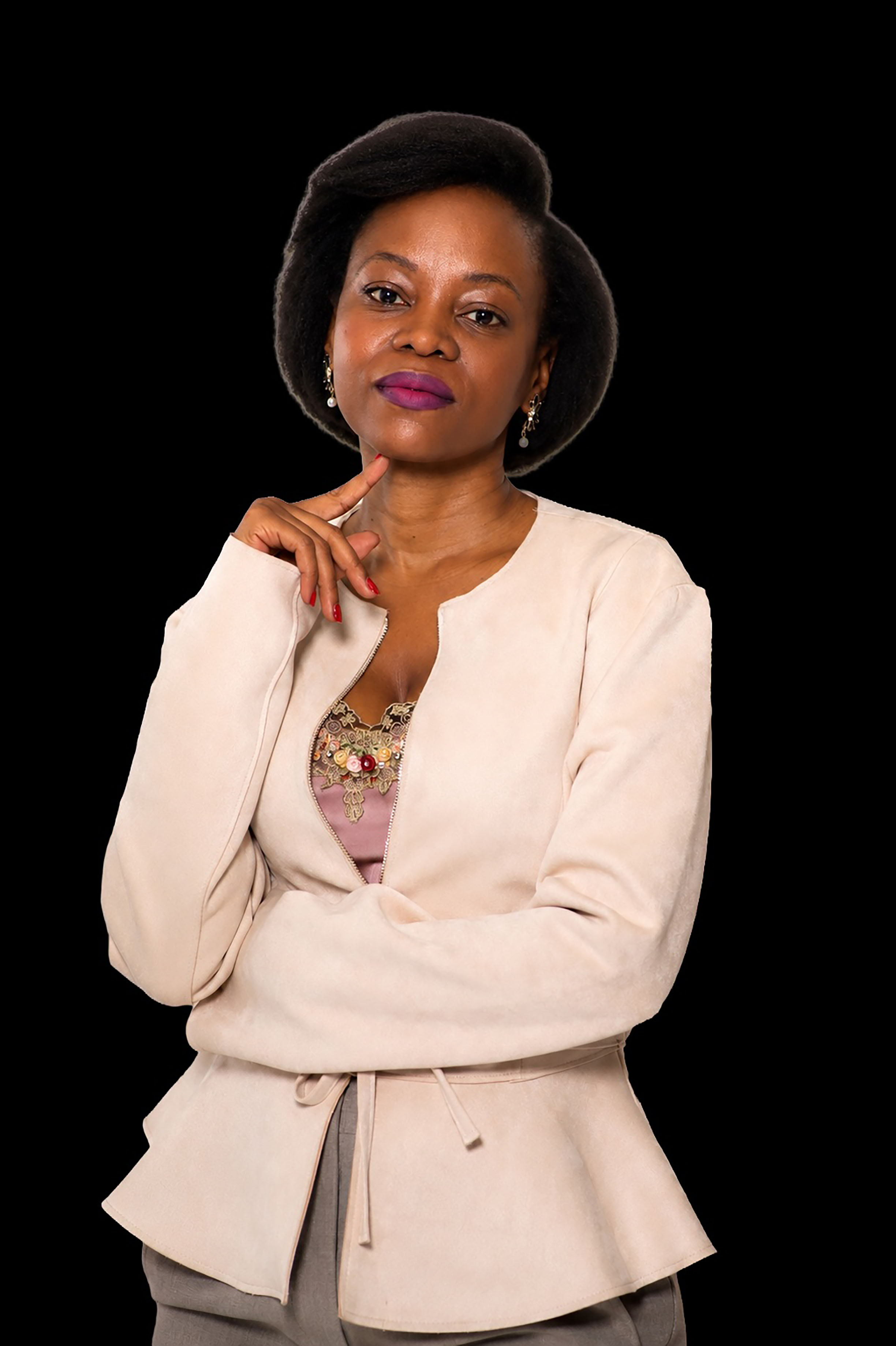
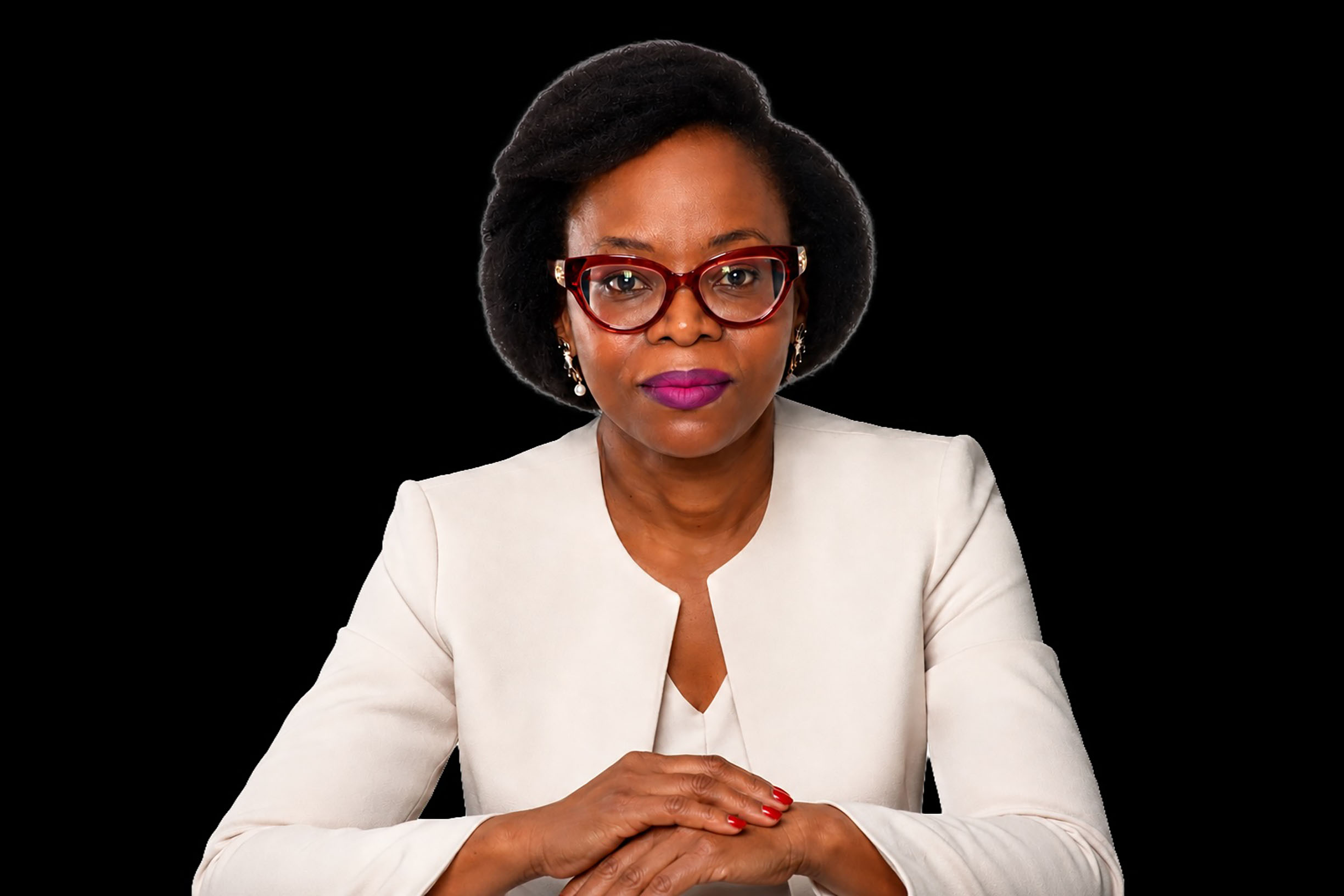
BioSigns owner, Dr Shathani Nkhwa, who is a Regenerating Medicine Manufacturing Specialist, points out that they have performed a lower limb anatomy of a patient using a 3D printed prototype and the results showed severe valgus deformity.
The surgeon then used the prototype to plan for corrective effective implant.
Afterwards, the surgeon can come to her for specifications about the implant required instead of a general implant.
“If the doctor wants a specific implant, we sit down and design the implant specifically tailored for this patient. We will then sit down with the doctor to see if he is happy with the design and find out where he will need changes if need be,” she says.
Whether its orthopaedic cases or maxillofacial cases, BioSigns aims to deliver innovative solutions that prioritise patient care and safety.
Its unwavering dedication to precision and innovation makes it a cut above the rest and can be described as a catalyst for change in the healthcare landscape as it ventures on redefining healthcare through advanced biomedical and biomaterials engineering solutions.
Dr Nkhwa says sometimes, surgeons bend the implants to match the individual bone anatomy, especially for pediatric patients and those with unique deformities.
BioSigns perceives the action as a disadvantage and also a risk, which may cause implant failure.
Their objective therefore is to avoid such risks by developing safe and effective patient-specific orthopedic implants in a low-resourced market.
Dr Nkhwa says it is feasible to develop effective, patient-specific implants for selected orthopedic cases.
She adds that planning could improve surgical and rehabilitation outcomes for selected pediatric patients and those with severe bone deformities.
Her company started slowly offering pre-surgical service where surgeons came to her when they had complex cases for help to plan for the surgeries.
She says once the doctor is happy with the design, they print the design, which the surgeon would use for surgery.
“With us doing this locally, proving the pre-surgical planning services and the printing of the medical device, we are reducing the cost of the burden from the government and also aiding in advancing the health care system in Botswana,” she says.
She is adamant that this improves the confidence of the surgeons and the patient’s stability.
“The other thing is that with the designed 3D Prototype, our surgeon will educate the patient about the plan done for the success of the surgery. The patient goes into surgery having full informed consent knowing what will happen to him or her during surgery,” Dr Nkhwa highlights.
Surgeons can also ask for surgical tools that will help to easily conduct the surgery.
“We will then 3D print those specific tools that the surgeon wants. This means that we will in future move to other and materials relevant in the surgical services,” she says.
Being the first of its kind in Botswana to venture into the design of implants, offer pre-surgical services and 3D dimensional solid structure, Dr Nkhwa perceives the whole process as exciting, but with a big responsibility.
BioSigns, she says, addresses a real system need, noting that outsourcing medical devices is costly for government due to import expenses, delays and currency pressures.
“By localising part of this value chain, we can help reduce long term costs, improve turnaround times and build local capacity, while ensuring solution is better tailored to patients,” she explains.
Dr Nkhwa says this has been a part of her plan and mission.
“Before I went to University of Sheffield to conduct my studies in Biomedical engineering, I visited the Biomedical Engineering Department at Princess Marina Hospital, to enquire on what works they do so I can assess limitations,” she says. More to that, during her PhD phase, she further advanced her skills in Biomaterial fabrication and tissue engineering.
She knew the skills would be essential in the establishment of BioSigns, Botswana’s first medical device manufacturing company with the capability to scale up across the SADC region. ENDS


