

Camels: Botswana Milk and Honey
Source : Kutlwano
Author : Aubrey Maswabi
Location : Gaborone
Event : Interview
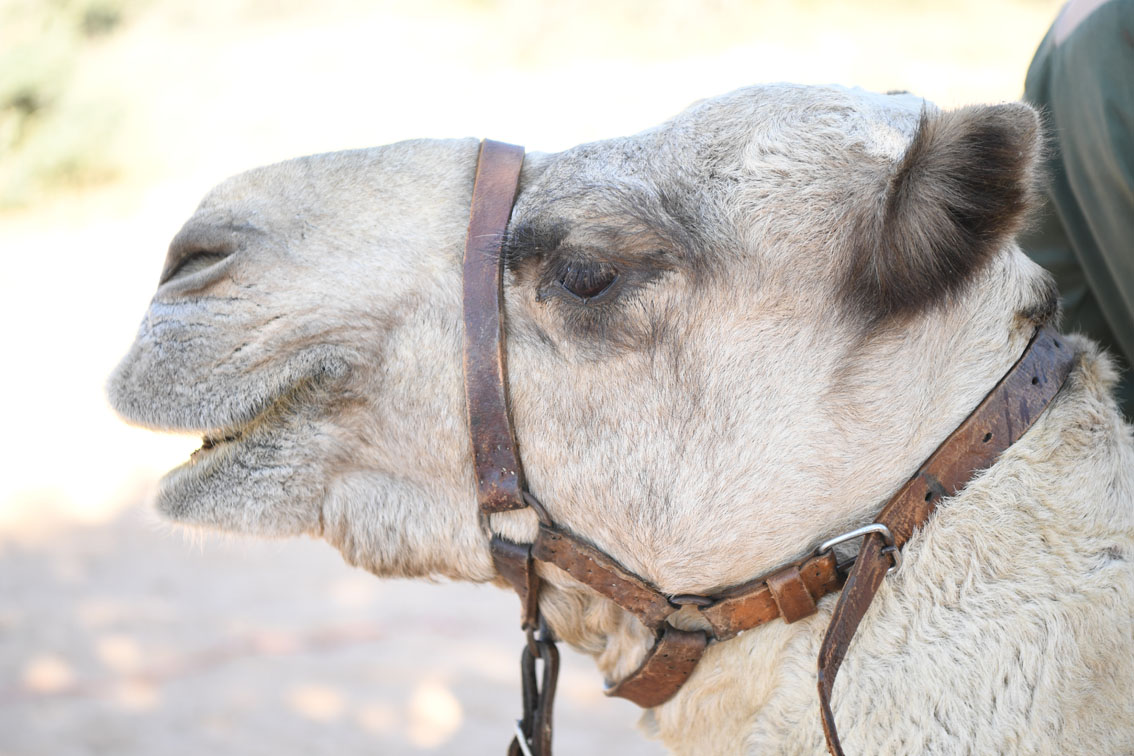
Camels, often called the ships of the desert, continue to play a vital role in arid and semi-arid regions due to their resilience and adaptability in harsh environments. Historically, these animals were primarily kept for milk, transportation, meat, and various other resources, making them central to communities’ livelihoods.
In particular, camel milk has long been favoured over cattle milk, especially during dry seasons when alternative sources are scarce. Camels have also been instrumental in transportation, serving both passengers and cargo across regions where roads are difficult or nonexistent.
Today, their value extends beyond traditional uses. According to David Phamolano, General Manager of the Tsabong Ecotourism Camel Park, the park continues to harness the remarkable qualities of camels, especially for milk production.
Located a few kilometers outside Tsabong, the park is managed by the communities of Tsabong, Maubelo, and Maleshe through the TsaMa Trust, with oversight from the Botswana Tourism Organisation.
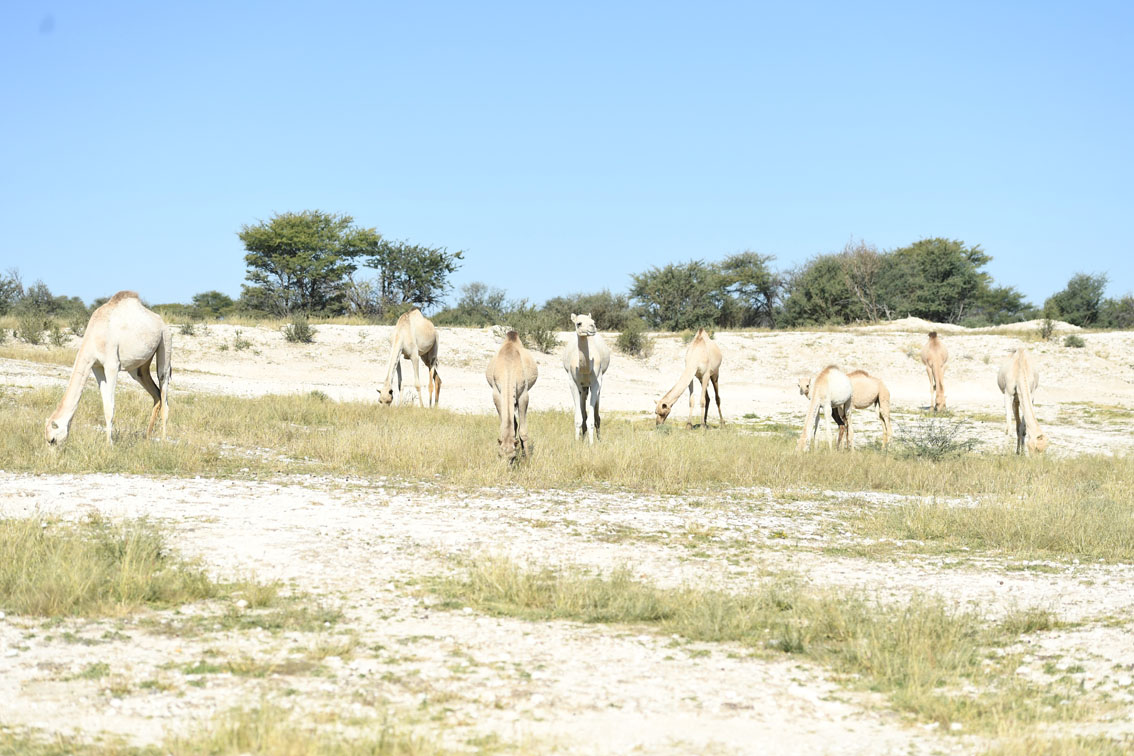
Phamolano highlights that the park’s herd of over 400 camels comprises two breeds: the native white Kgalagadi breed, prevalent in the Kgalagadi area, and a brownish breed imported from Libya—brought in through a gift from Liberia’s former President Festus Mogae, courtesy of Libyan leader Muammar Gaddafi.
While camels are traditionally used for various purposes, the park primarily focuses on milk production.
“The camels here are mainly reared for their milk,” Phamolano explains. The park also sells camel meat, which is popular locally, often sold as pounded meat at Tsabong Mall, where it is enjoyed alongside traditional foods.
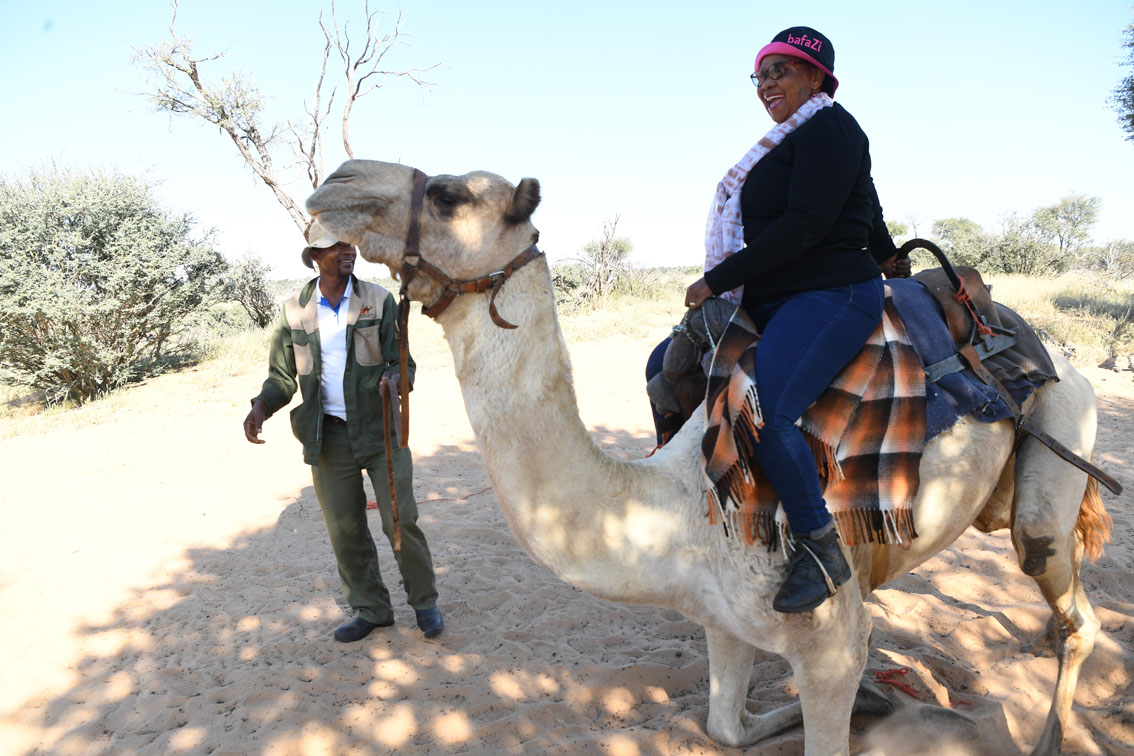
In addition to meat and milk sales, the park offers camel rides to visitors, aiming to become a hub for entertainment and tourist activities.
“There is a huge potential for the park to develop further, leveraging its large land area for nature walks, weddings, photography, and recreational activities,” Phamolano states.
The park has contributed significantly to the local economy by employing 20 residents from Tsabong, Maubelo, and Maleshe, alongside six staff members from outside the villages, totaling 26 employees. He envisions that upcoming developments could create even more jobs.
Facilities at the park include six executive rooms with active Wi-Fi, six campsites featuring modern ablution blocks, and amenities such as a restaurant offering breakfast, lunch, and dinner, as well as a bar serving various refreshments.Phamolano encourages residents and visitors in Tsabong to utilise the park’s offerings, emphasising its potential to boost tourism and economic growth in the region. ENDS


