


Duthubaruba Weeeeeeuuuu Bakwena culture celebrated in style
Source : Kutlwano
Author : Pako Lebanna
Location : Molepolole
Event : Dithubaruba Cultural Festival
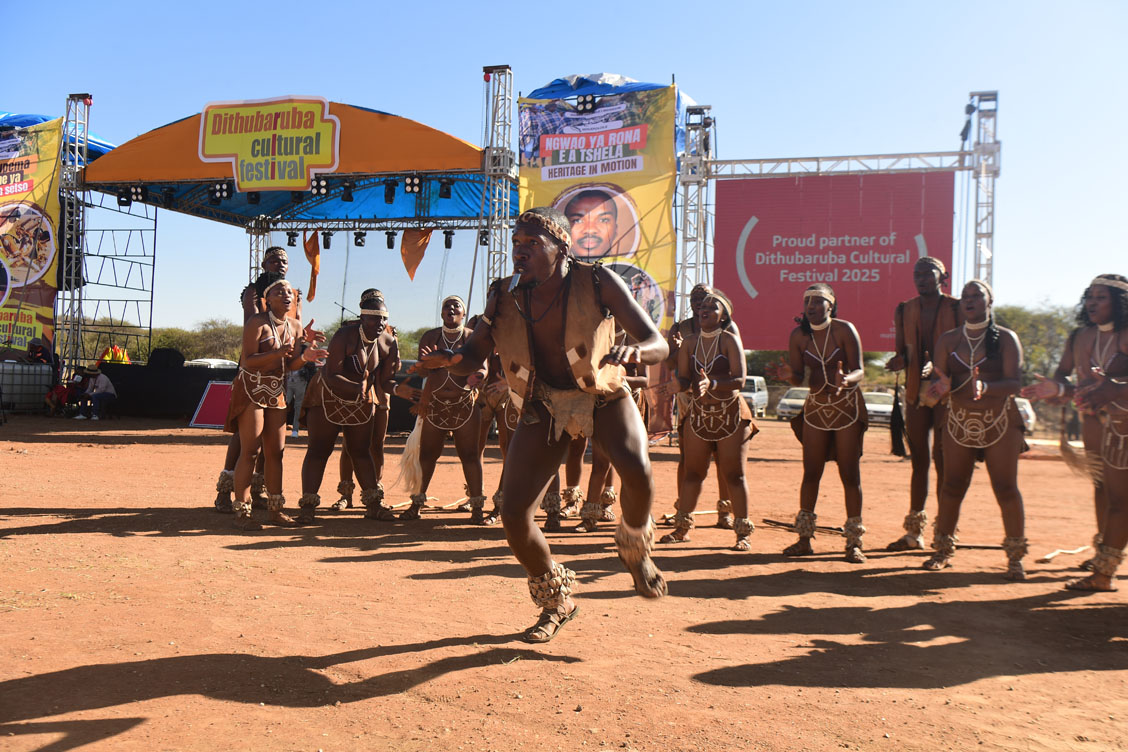
Akin to flowers blooming over spring as part of their seasonal reawakening, this cool September day sees Setswana culture coming to life in the Kweneng capital, Molepolole on the occasion of the Dithubaruba Cultural Festival.
The legion of culture aficionados thronging the Dithubaruba festivities at Ntsweng, or Ga MmaKgosi, on the outskirts of Molepolole have their yearning palates served to the brim with traditional music, cuisine and architecture.
“This event serves to present the culture of the Bakwena and the Kweneng District in its entirety,” Director and Curator of the Kgosi Sechele I Museum, Power Kawina tells Kutlwano.
“We present mostly music. We have Borankana traditional music and dance with groups such as Dipela tsa ga Kobokwe offering the more traditional variant, as well as contemporary Borankana as presented by groups such as Machesa. We have other music styles popular in Kweneng, such as Dikhwaere and the Dikatara Tswana folk guitar music,” Kawina says.
The Bakwena, a clan that evolved over the past millennium during the Bantu Migration trek towards Southern Africa, were among the groups that would birth the modern Sotho-Tswana of Botswana, Lesotho and South Africa.
Oral traditions from amongst the Sotho-Tswana, as well as archaeologist findings by university academics confirm the historic Kweneng Ruins (south of modern Johannesburg) hosting large settlements of the Bakwena who spread between the Vaal River and the Kalahari from around the 1300s to 1820s.
The group would over time split into the Bakoena ba Mokoteli who produced the founder of the Sotho nation, King Moshoeshoe I and his lineage, which rules Lesotho to date.
Then there is Bakwena ba ga Sechele, Bangwato and Bangwaketse of Botswana; the Bakwena ba ga Mogopa, Bafokeng and Bapo ba ga Mogale of North West South Africa as well as the Moloto clan of Moletji tribal area among the Bapedi in Limpopo.
Kawina says Dithubaruba celebrates this historic legacy, as well as Kgosi Sechele I (1810-1892) who settled the Bakwena at present day Ntsweng, Molepolole.
“We have various Sotho-Tswana clans in Southern Africa who claim common Bakwena ancestry, and we invited them to Dithubaruba, including the Moletjie of Kgoshi Kgabo Moloto III from Limpopo Province in South Africa, the Bakwena ba ga Mogopa and Baphalane from amongst the South African North West Tswana,” Kawina says.
He says in the build up to the festival, the Dithubaruba Symposium was held to shed light on the history of the Bakwena and their great ruler Kgosi Sechele I.
“Kgosi Sechele I is known in history for hosting the British missionary and explorer David Livingstone, for procuring modern ammunitions such as cannons and using them in fighting the Battle of Dimawe, defeating the Boers of the Transvaal in 1852, paving the way for a future independent Botswana,” Kawina notes.
After the Battle of Dimawe, Kgosi Sechele I moved the Bakwena capital from Kolobeng, first to Dithubaruba Hill at Dithejwane and thereafter to Ntsweng at Molepolole.
A lot of what is now mainstream Tswana traditions evolved under Kgosi Sechele I including Borankana music and dance (largely the Phathisi variant, with the Bangwaketse evolving the Setapa dance form); the deepening of the Kgotla governance tradition, culinary traditions such as the Bogobe Le Seswaa fare; architectural tradition such as lerako stone rock walls and lekgapho mud hut decor.
Over the past century at Kweneng, where other Tswana groups such as Bahurutshe, Balete, Batlokwa and Bakgatla ba ga Mmanaana had been hosted by Kgosi Sechele I, the musical evolution of Dikhwaere choirs and Dikatara Tswana four string folk guitar also took place, starting amongst the ordinary folk and further developed by Kweneng artistes such as Kotaeshele, Stampore, Speech Madimabe and Sebongile Kgaila.
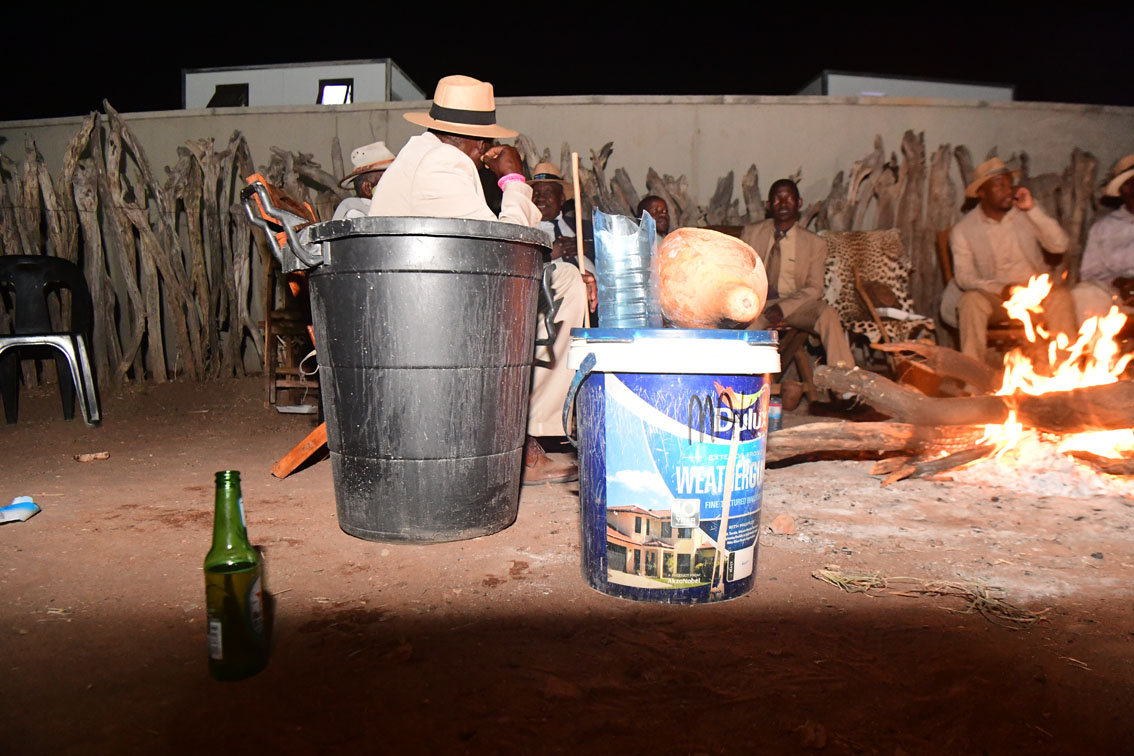
These musical styles are showcased at Dithubaruba, where a traditional homestead made up of mud hut and lekgapho decor, as well as a kgotla on its outdoors were also displayed.
Traditional Setswana brew, sorghum beer or “Maswe a Dinala” in local parlance, are served as well as plates of bogobe, setampa and seswaa (pounded meat) as well as mokoto, with leteisi attire dominating the revellers’ outfits.
Kawina adds that the organisers had noted and would address the issues of mobile telephony network challenge at Ntsweng as well as the need to create parking space and alternative routes to entrance.
Bakwena Paramount Chief, Kgosi Kgari Sechele III, when welcoming guests, says it is important to preserve culture and utilise it to boost tourism and the local economy.
Minister of Environment and Tourism, Mr Wynter Mmolotsi, pledges that government will donate wildlife to the Kgosi Sechele I Museum to enhance the tourist attraction of Molepolole and Kweneng. ENDS


